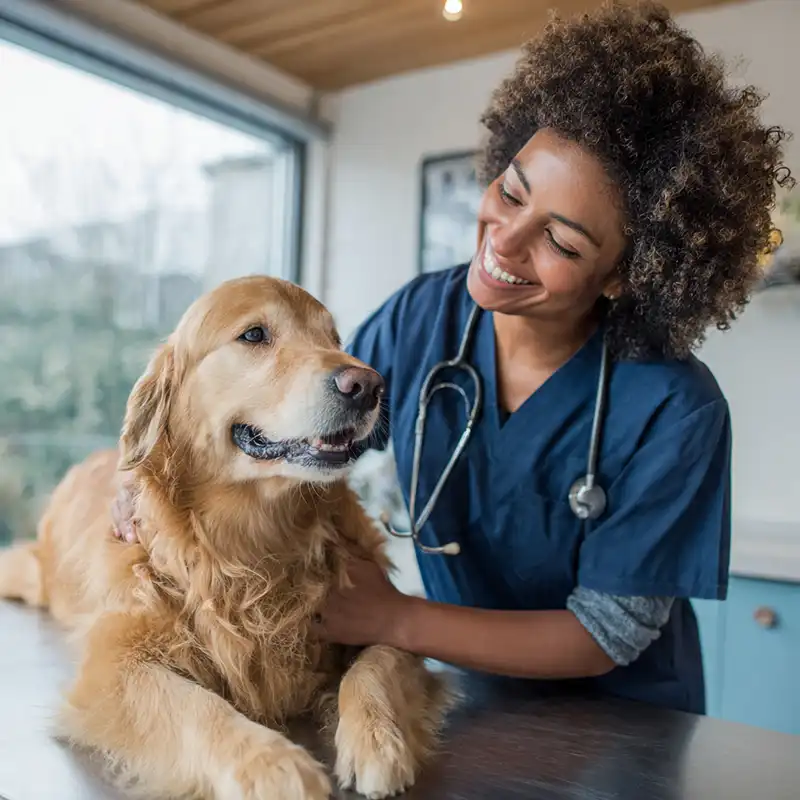
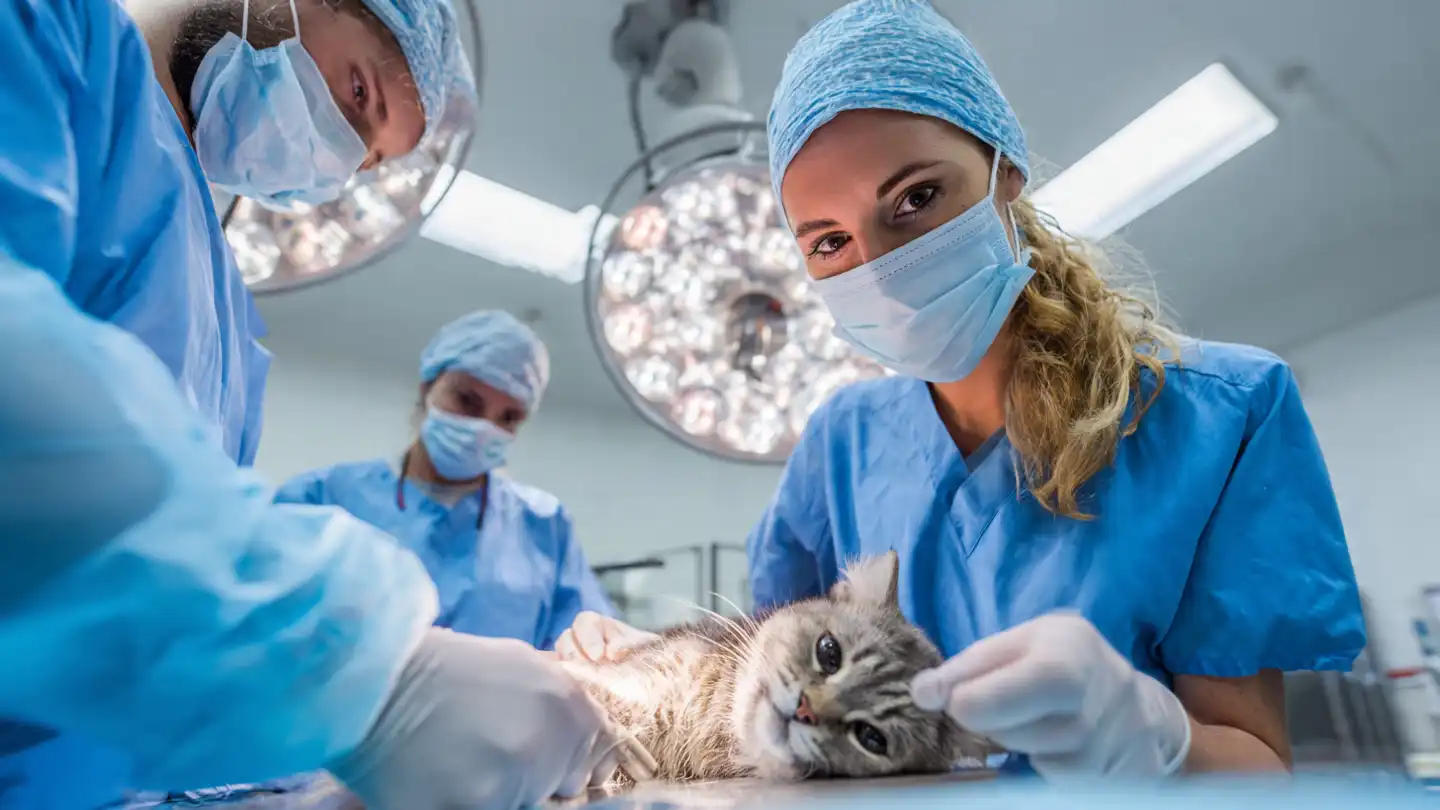
Safe Veterinary Surgery at Walker Lake Veterinary
At Walker Lake Veterinary, we provide pet surgery and spay/neuter services in Edmonton with a strong focus on safety, comfort, and compassionate care. Our experienced veterinary team performs a variety of surgical procedures for dogs and cats using modern equipment and careful monitoring.
Whether your pet needs a routine procedure such as spaying or neutering, or another type of surgical treatment, we take the time to evaluate your pet’s health, explain the procedure, and provide attentive care before, during, and after surgery.
Our goal is to ensure every pet receives safe surgical care while giving pet owners confidence and peace of mind.
Spay and Neuter Services in Edmonton
Spaying and neutering are among the most common veterinary procedures and provide several important health benefits for pets.
Benefits of spay and neuter surgery include:
- Preventing unplanned litters
- Reducing the risk of certain cancers
- Lowering the chances of reproductive infections
- Decreasing roaming and aggressive behavior
- Supporting responsible pet population control
Our veterinarians perform spay and neuter surgery in Edmonton with careful anesthesia monitoring and pain management to help ensure a smooth and comfortable recovery.
Veterinary Surgical Procedures We Provide
In addition to spay and neuter procedures, our clinic performs other soft tissue surgeries for pets in Edmonton when medically necessary.
Common surgical procedures include:
- Mass or tumor removal
- Wound repair
- Foreign object removal
- Bladder surgery
- Gastrointestinal surgery
- Soft tissue procedures
Before any procedure, our veterinarian will perform a thorough examination and discuss the recommended surgical plan with you.
Surgical Safety and Monitoring
Your pet’s safety is a top priority during surgery. At Walker Lake Veterinary in Edmonton, we follow strict surgical protocols to help ensure the safest possible outcome.
Safety measures include:
- Pre-surgical health evaluations
- Carefully monitored anesthesia
- Sterile surgical environment
- Continuous monitoring of heart rate, breathing, and oxygen levels
- Pain management before and after surgery
These precautions help reduce surgical risks and support a smooth recovery.
Post-Surgery Recovery and Care
After surgery, proper aftercare helps ensure your pet heals comfortably and safely. Our veterinary team will provide clear instructions for home care following your pet’s procedure.
Post-operative care may include:
- Limiting physical activity
- Monitoring the incision site
- Providing prescribed pain medication
- Preventing licking or scratching of the surgical area
- Scheduling follow-up appointments if needed
Many pets recover quickly from routine procedures such as spaying or neutering surgery.
Schedule Pet Surgery in Edmonton
If your pet requires a surgical procedure or you are considering spaying or neutering surgery in Edmonton, our team at Walker Lake Veterinary is here to help. We provide compassionate and professional surgical care for dogs and cats.
Contact our clinic today to schedule a veterinary surgical consultation in Edmonton.
Frequently Asked Questions
At what age should pets be spayed or neutered?
Many pets are spayed or neutered between 4 and 6 months of age, although your veterinarian may recommend a different timing depending on your pet’s breed and health.
Is spay or neuter surgery safe?
Yes. Spay and neuter procedures are routine veterinary surgeries and are generally very safe when performed by trained veterinarians with proper monitoring.
How long does it take for pets to recover from surgery?
Recovery time varies depending on the procedure, but many pets begin to feel better within a few days and fully recover within 10 to 14 days.
Will my pet need to stay overnight after surgery?
For many routine procedures, pets can return home the same day. Some surgeries may require additional monitoring.
What should I do after my pet’s surgery?
Follow your veterinarian’s instructions carefully, limit activity, prevent your pet from licking the incision, and contact your veterinarian if you notice swelling or unusual symptoms.