
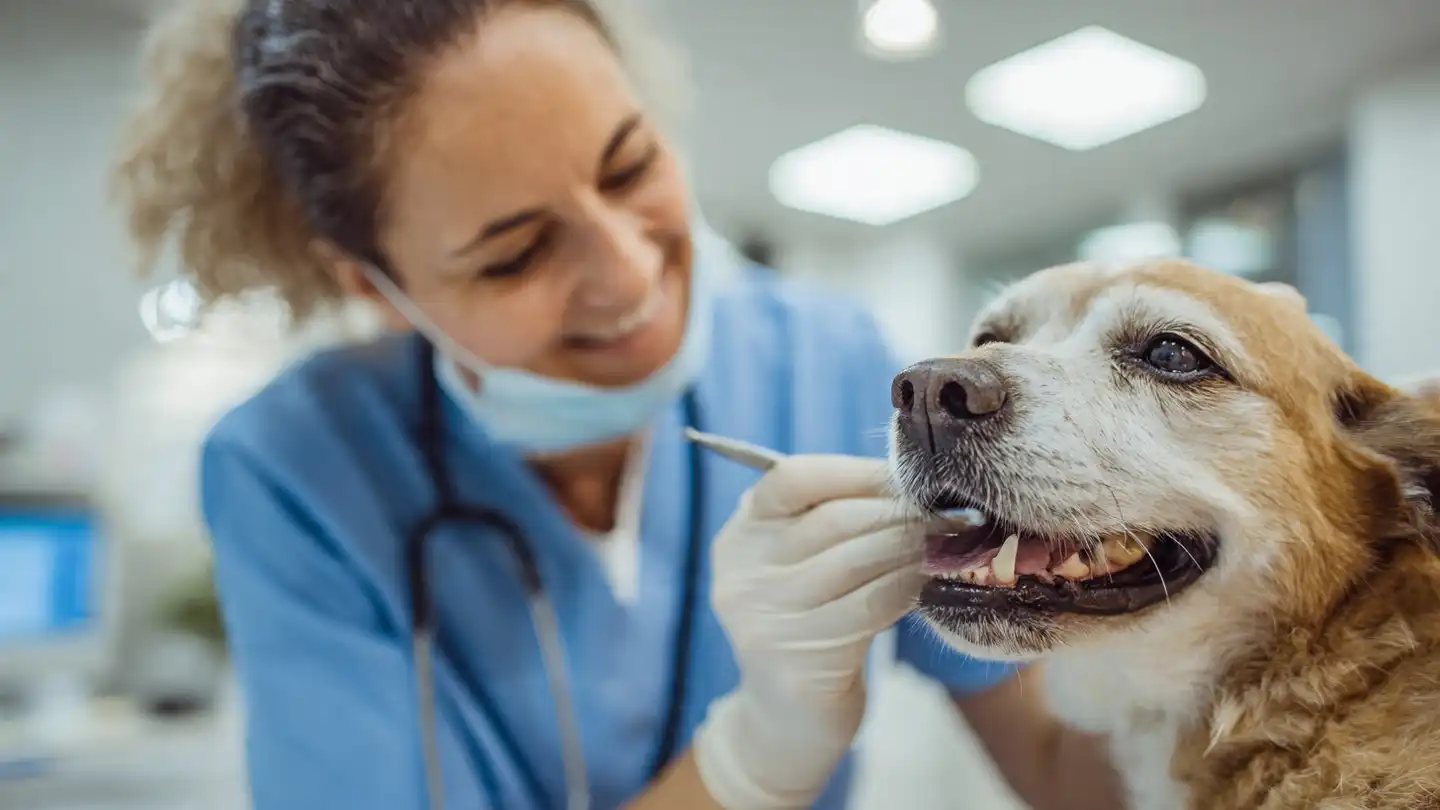
Dental health is one of the most overlooked aspects of pet care yet it directly affects your pet’s comfort, appetite, and long-term health. At Walker Lake Veterinary Centre, we provide professional pet dentistry in Edmonton for dogs and cats, helping prevent dental disease before it becomes a painful and costly problem.
Our clinic serves pet owners across Southwest Edmonton including Walker Lake, Summerside, Ellerslie, Heritage Valley, and Rutherford. If your dog or cat hasn’t had a dental exam recently, now is the time to book one.
Why Pet Dental Health Matters
Dental disease is the most commonly diagnosed health condition in pets. Studies show that over 70% of cats and 80% of dogs show signs of periodontal disease by age three — yet most pet owners don’t notice because pets instinctively hide dental pain.
Left untreated, dental disease doesn’t stay in the mouth. Bacteria from infected gums can enter the bloodstream and affect the heart, liver, and kidneys — turning what started as a dental problem into a serious systemic illness.
Common consequences of untreated dental disease include:
- Persistent bad breath
- Pain or discomfort while eating
- Tooth loss
- Gum infections and abscesses
- Bacteria spreading to vital organs
- Reduced appetite and weight loss
Regular dental care at Walker Lake Veterinary in Edmonton can prevent these issues and significantly improve your pet’s quality of life.
Pet Dental Services We Offer in Edmonton
Our Edmonton veterinary dental services cover everything from routine preventive care to treatment of advanced dental disease.
Comprehensive Oral Examinations
Every dental visit begins with a thorough examination of your pet’s teeth, gums, tongue, and surrounding tissue. We check for signs of periodontal disease, fractured teeth, oral masses, and abnormal wear patterns.
Professional Dental Cleanings
Professional cleanings remove plaque and tartar buildup that brushing at home cannot reach — particularly below the gumline where bacteria cause the most damage. Cleanings are performed under safe, monitored anesthesia to ensure your pet’s comfort and allow thorough access to every surface of the mouth.
Dental X-Rays
Up to 60% of dental disease in pets occurs below the gumline and is invisible to the naked eye. Dental X-rays allow our veterinarians to assess tooth roots, bone structure, and identify problems that would otherwise go undetected during a visual exam alone.
Tooth Extractions
When a tooth is severely infected, fractured, or causing your pet pain, extraction is often the most effective treatment. Our team performs extractions carefully and ensures appropriate pain management before, during, and after the procedure.
Treatment for Periodontal Disease
Periodontal disease is graded on a scale of 1 to 4. Early-stage disease can often be managed with a professional cleaning and improved home care. Advanced cases may require more intensive treatment. Our veterinarian will assess your pet’s periodontal health and recommend the appropriate course of action.
Home Dental Care Guidance
We provide personalised recommendations for maintaining your pet’s oral health between visits — including tooth brushing techniques, dental diets, and veterinary-approved dental chews.
Is Anesthesia Safe for My Pet?
This is the most common concern pet owners raise about dental cleanings — and it is completely understandable. The short answer is yes, anesthesia is safe and necessary.
Without anesthesia, a thorough dental cleaning is impossible. Pets cannot hold still long enough for below-the-gumline scaling, dental X-rays, or a complete oral examination. Attempting to clean a conscious pet’s teeth is stressful for the animal and results in an incomplete, ineffective procedure.
At Walker Lake Veterinary Centre, every patient undergoing a dental procedure receives:
- A pre-anesthetic health assessment
- Bloodwork screening appropriate to their age
- Continuous heart rate, oxygen, and blood pressure monitoring throughout
- Temperature management during recovery
- Post-procedure pain medication
Our anesthetic protocols follow current veterinary safety standards. The vast majority of healthy dogs and cats tolerate anesthesia extremely well. For senior pets or those with underlying conditions, our veterinarian will discuss the risk-benefit balance with you before proceeding.
Signs Your Pet May Need a Dental Exam
Pets are instinctively good at hiding pain, including dental pain. By the time obvious symptoms appear, dental disease is often already advanced. Watch for these warning signs:
- Bad breath that persists beyond normal
- Red, swollen, or bleeding gums
- Yellow or brown tartar buildup on the teeth
- Drooling more than usual
- Dropping food while eating or chewing on one side
- Pawing at the mouth or face
- Loose, broken, or missing teeth
- Reduced interest in food or hard treats
- Changes in behaviour such as increased irritability
If you notice any of these signs in your dog or cat, schedule a pet dental exam at our Edmonton clinic as soon as possible.
Preventive Dental Care at Home
Professional cleanings are most effective when combined with regular home care between visits. Our veterinarians recommend:
Tooth Brushing Daily brushing is the gold standard for home dental care. Use a pet-specific toothbrush and toothpaste — never use human toothpaste, as it contains ingredients that are toxic to pets. We can show you how to introduce brushing gradually so your pet tolerates it comfortably.
Dental Chews and Treats Certain dental chews carry the Veterinary Oral Health Council (VOHC) seal of approval, meaning they have been clinically proven to reduce plaque and tartar. Ask our team which products we recommend for your pet’s size and chewing habits.
Dental Diets Prescription dental diets are formulated with a specific kibble texture that mechanically cleans teeth as your pet chews. These can be a helpful addition for pets who resist brushing.
Regular Veterinary Dental Checkups Even with excellent home care, most pets benefit from a professional cleaning at least once a year. Some breeds — particularly small dogs and brachycephalic breeds like Pugs, Bulldogs, and Persian cats — are prone to faster tartar accumulation and may need more frequent cleanings.
How Often Should My Pet Have a Dental Cleaning?
Most dogs and cats benefit from a professional dental cleaning once a year. However, the right frequency depends on several factors:
- Breed — Small breeds and flat-faced breeds accumulate tartar faster
- Age — Senior pets often require more frequent dental attention
- Diet — Pets on wet food diets tend to develop tartar more quickly than those on dry food
- Home care routine — Regular brushing between visits can extend the time between professional cleanings
During your pet’s annual wellness exam at Walker Lake Veterinary, our veterinarian will assess their dental health and recommend the appropriate cleaning schedule.
Book a Pet Dental Exam in Edmonton
Walker Lake Veterinary Centre provides trusted pet dentistry in Edmonton for dogs and cats across Southwest Edmonton. Whether your pet is due for their annual dental checkup, showing signs of dental discomfort, or you simply want to get ahead of potential problems, our team is here to help.
Call us at (587) 786-6771 or book online to schedule a pet dental examination at our clinic at 5109 22 Avenue SW, Edmonton.
Frequently Asked Questions About Pet Dentistry in Edmonton
Is anesthesia safe for pets during a dental cleaning?
Yes. Anesthesia is necessary for a safe and thorough dental cleaning and is very well-tolerated by healthy dogs and cats. We perform pre-anesthetic screening and monitor your pet continuously throughout the procedure using modern safety protocols.
How often does my dog need a professional dental cleaning?
Most dogs benefit from a professional dental cleaning once a year. Smaller breeds prone to dental disease may need cleanings every 6 months. Our veterinarian will assess your pet’s dental health during their annual wellness exam and recommend the right schedule.
What are signs my dog or cat needs a dental cleaning?
Common signs include persistent bad breath, yellow or brown tartar buildup, red or bleeding gums, difficulty chewing, pawing at the mouth, or a decreased appetite. If you notice any of these, schedule a dental exam at Walker Lake Veterinary Centre in Edmonton.
Do cats need dental cleanings too?
Absolutely. Over 70% of cats show signs of dental disease by age 3. Annual professional cleanings are recommended to prevent painful conditions like tooth resorption and gum disease. Ask our team about your cat’s dental health at their next checkup.