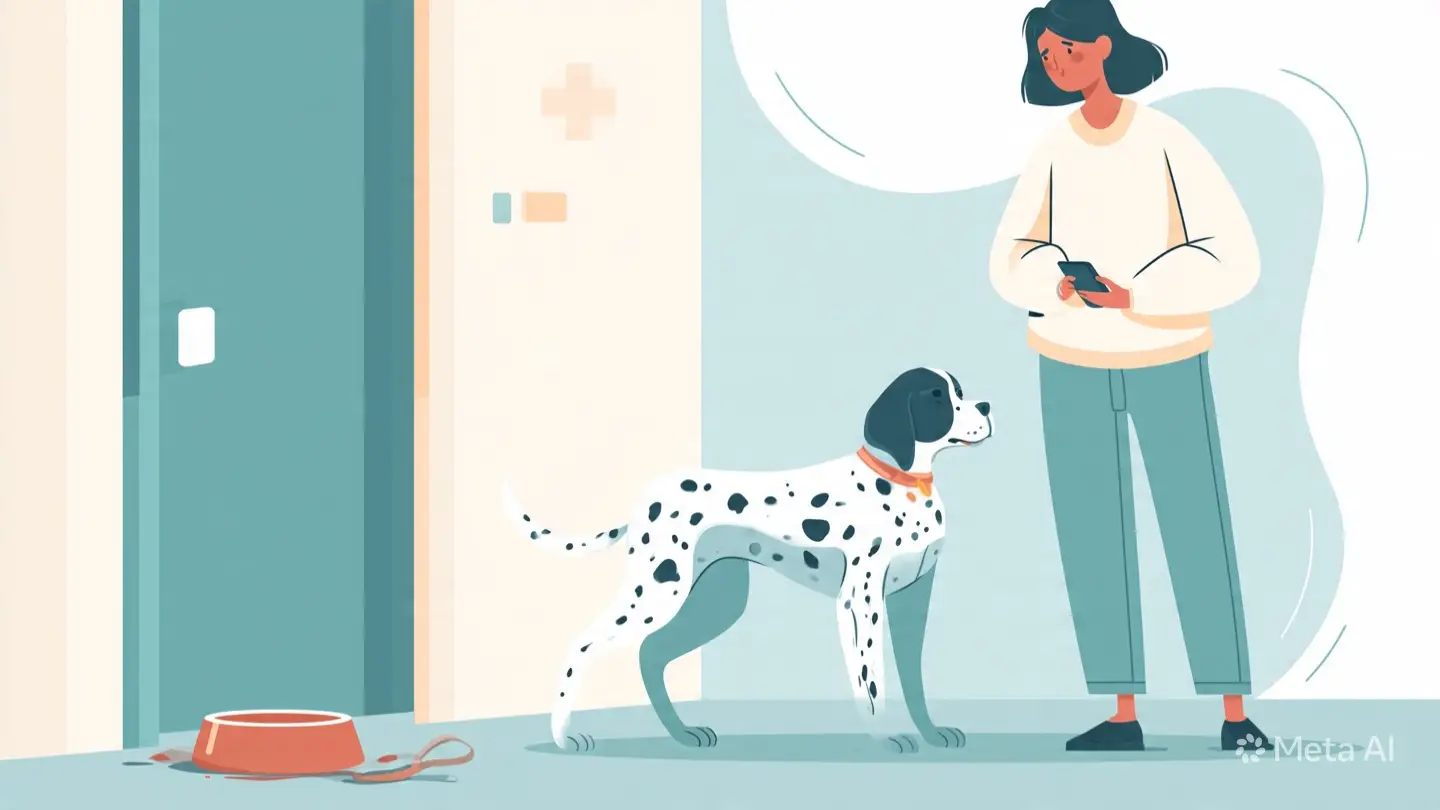
A dog that suddenly stops eating is one of the most common concerns that prompts owners to contact a veterinary clinic — and with good reason. While a missed meal or temporary loss of appetite is often harmless, persistent inappetence can signal anything from a minor digestive upset to a serious underlying illness.
Knowing when to be concerned, what might be causing the problem, and what steps to take can save you unnecessary worry — and ensure your dog gets the right care if something more significant is going on. If your dog has not eaten for more than 24 hours or is showing other symptoms alongside the inappetence, contact Walker Lake Veterinary Centre at (587) 786-6771.
The medical term for reduced appetite is hyporexia. Complete refusal to eat is anorexia. In dogs, true anorexia — eating nothing at all — is more clinically significant than partial appetite reduction and warrants prompt veterinary attention when it persists beyond 24 hours.
How Long Can a Dog Go Without Eating?
Healthy adult dogs can survive without food for several days — the body has reserves of glycogen and fat that provide energy during short periods of fasting. However, this does not mean that a dog refusing to eat should be left without assessment.
The appropriate window before seeking veterinary advice depends on the dog’s age, health status, and whether other symptoms are present:
- Puppies — should not go more than 12 hours without eating. Hypoglycaemia develops rapidly in young dogs without regular food intake
- Senior dogs — reduced appetite lasting more than 24 hours warrants same-day veterinary contact
- Dogs with existing health conditions — contact your veterinarian if a medically managed dog misses a single meal
- Healthy adult dogs with no other symptoms — monitor for up to 24 hours before contacting the vet
- Any dog with additional symptoms — vomiting, diarrhoea, lethargy, pain, or weight loss — seek veterinary advice promptly regardless of how long the inappetence has lasted
Common Causes of Inappetence in Dogs
Gastrointestinal Upset
The most common cause of short-term inappetence in dogs. Mild stomach upset — from dietary indiscretion, a new food, stress, or a brief viral or bacterial illness — causes nausea and reduced appetite that typically resolves within 24 to 48 hours. The dog may also show mild vomiting or diarrhoea.
Dietary Change
Dogs are creatures of habit. An abrupt change in food — even to a higher-quality product — can cause temporary appetite reduction as the dog adjusts to the new smell, taste, and texture. Gradual food transitions over 7 to 10 days minimise this response.
Behavioural and Environmental Causes
Dogs are sensitive to changes in their environment and routine. Inappetence can be triggered by:
- Stress and anxiety — new home, new family member, building work, changes in routine
- Separation anxiety — some dogs refuse to eat when their primary attachment person is absent
- Competition or intimidation from other pets — a dog that feels unsafe around the food bowl may eat less
- Overly warm weather — many dogs eat less during hot weather, particularly in Edmonton summers
- Being fed in an uncomfortable location or from an unpleasant bowl
Fussy Eating
Some dogs — particularly those that have learned that refusing food leads to more palatable options — develop fussy eating behaviour. This is more a training and feeding management issue than a medical one, but it is important to rule out underlying medical causes before attributing inappetence to fussiness.
Dental Pain
Dental disease is one of the most commonly overlooked causes of inappetence in dogs. A dog with a painful tooth root abscess, fractured tooth, or severe periodontal disease may refuse hard food, drop food while eating, chew only on one side, or lose interest in eating entirely. Dental pain is chronic and dogs often hide it remarkably well — inappetence may be the first owner-noticed sign.
Pain
Any source of pain can suppress appetite. Musculoskeletal pain, abdominal pain, post-surgical pain, and pain from injury or illness all reduce a dog’s interest in food. A dog that stops eating alongside changes in posture, reluctance to move, or unusual behaviour should be assessed for pain.
Nausea
Nausea from any cause suppresses appetite. Common causes of nausea in dogs include:
- Gastrointestinal disease — gastritis, pancreatitis, intestinal obstruction
- Kidney disease — accumulation of uremic toxins causes nausea
- Liver disease
- Motion sickness
- Medication side effects — some medications, particularly antibiotics and NSAIDs, cause nausea in some dogs
- Vestibular disease
Infections and Systemic Illness
Bacterial, viral, and parasitic infections cause inappetence as part of their systemic effects. Fever — a common feature of infection — directly suppresses appetite through the same mechanisms it does in humans.
Metabolic Disease
Kidney disease, liver disease, Addison’s disease, and diabetes mellitus all cause inappetence as a component of their clinical presentation. In chronic conditions, inappetence may develop gradually and progress alongside other signs such as weight loss, increased thirst, or lethargy.
Cancer
Cancer is unfortunately a common cause of inappetence — particularly in older dogs. Cancer suppresses appetite through multiple mechanisms including pain, inflammation, metabolic changes, and the effects of tumour-produced substances. Unexplained weight loss alongside inappetence in a senior dog always warrants thorough investigation.
Medications
Certain medications commonly cause reduced appetite as a side effect:
- Antibiotics — particularly metronidazole, which many dogs find nauseating
- NSAIDs — can cause gastrointestinal irritation and nausea, particularly when started at a high dose
- Chemotherapy agents
- Certain heart medications
- Some sedatives and anaesthetic agents — post-anaesthetic inappetence for 12 to 24 hours is common
If your dog’s inappetence began shortly after starting a new medication, contact your veterinarian to discuss whether the medication is the likely cause and whether a dose adjustment or alternative is appropriate.
Reproductive Status
Intact female dogs frequently experience reduced appetite around the time of oestrus (heat). Pregnancy can cause inappetence — particularly during the first two to three weeks. The final 24 to 48 hours before whelping are also commonly associated with complete food refusal.
When Is Inappetence an Emergency?
Go to the veterinary clinic immediately if your dog is not eating alongside any of the following:
- Significant lethargy or weakness — unable to rise or walk normally
- Vomiting combined with abdominal distension — possible GDV
- Pale, white, or blue gums
- Collapse or unresponsiveness
- Suspected ingestion of a toxic substance or foreign body
- Known diabetic dog that skips a meal — risk of hypoglycaemia
- Puppy that has not eaten for more than 12 hours
- Obvious pain — hunched posture, guarding the abdomen, crying
When to Book a Same-Day Appointment
Book a same-day appointment if:
- Your dog has not eaten for more than 24 hours with no improvement
- Inappetence is accompanied by vomiting, diarrhoea, or lethargy
- Your dog is a senior, a puppy, or has a pre-existing health condition
- You have noticed weight loss over the preceding weeks or months
- Your dog is showing signs of dental pain — dropping food, chewing on one side, bad breath
- Inappetence began after starting a new medication
What to Do When Your Dog Won’t Eat
Observe Carefully
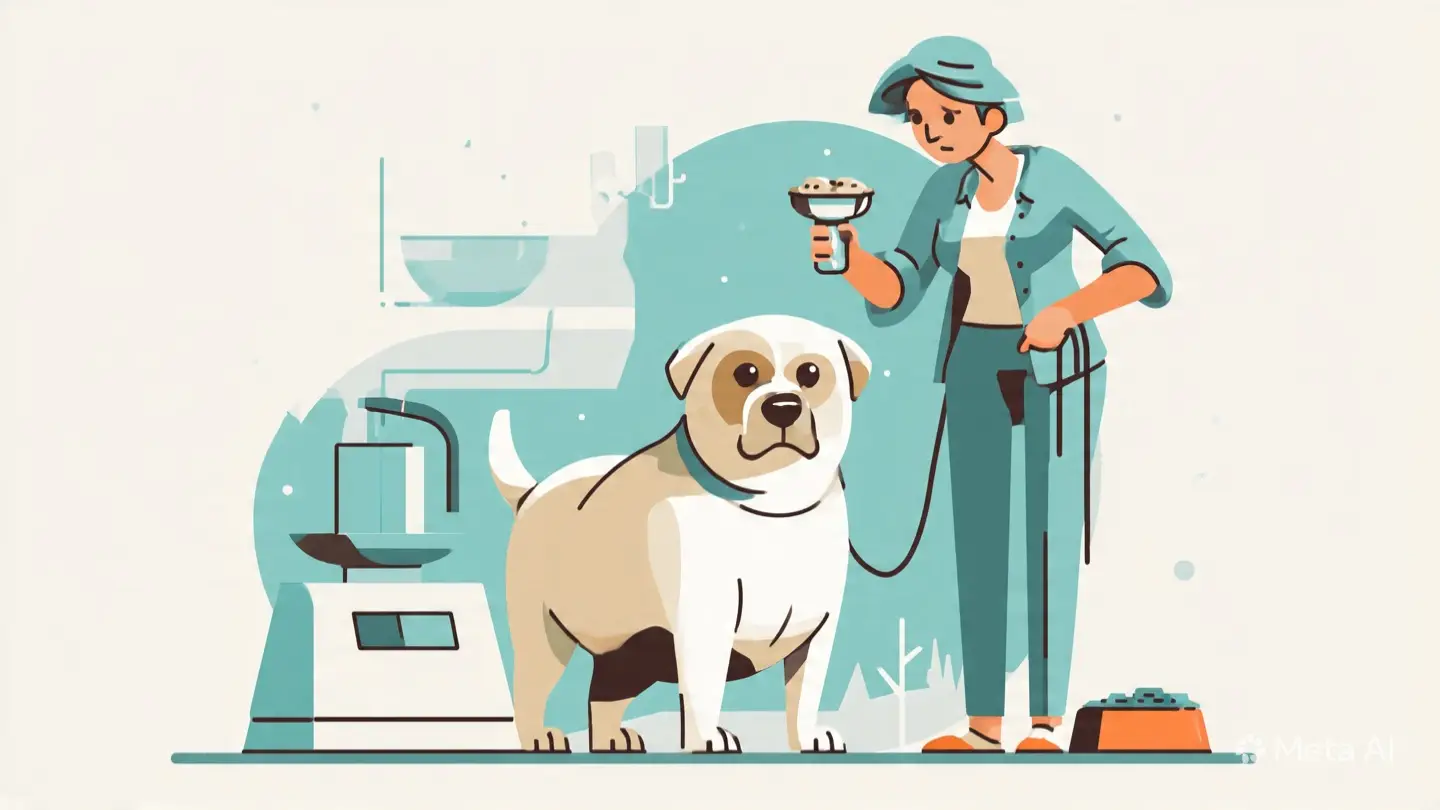
Note how long the inappetence has lasted, whether the dog is drinking water, whether other symptoms are present, and whether there are any obvious environmental or dietary changes that might explain the behaviour.
Offer a Small Amount of Bland Food
For mild, short-term inappetence in a healthy adult dog with no other symptoms, offering a small amount of plain boiled chicken and rice may stimulate appetite. Do not offer excessive treats or highly palatable human food to entice a dog to eat — this reinforces fussy eating behaviour and makes dietary management more difficult long-term.
Check the Food
Ensure the food has not expired, been stored incorrectly, or changed in formulation. Dogs sometimes detect changes in food — a new batch with slightly different smell or taste — and respond with temporary refusal.
Remove the Bowl After 20 Minutes
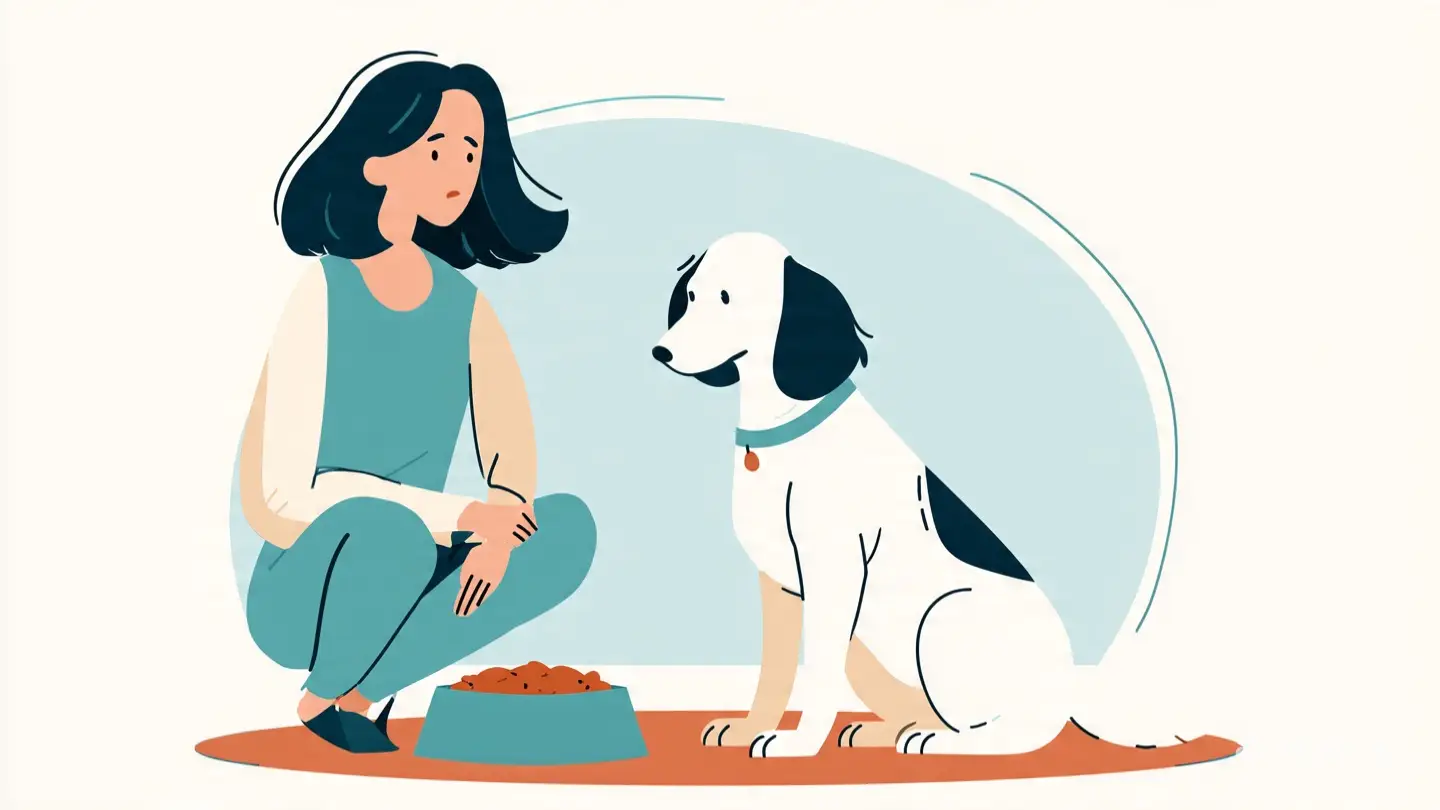
If the dog does not eat within 20 minutes, remove the bowl and try again at the next scheduled meal time. Leaving food down continuously reduces the motivation to eat at mealtimes.
Do Not Force Feed
Force feeding or excessive pressure to eat can create anxiety around feeding and make the problem worse. If a dog is genuinely ill, force feeding is inappropriate — nausea must be treated before the dog can comfortably eat.
If your dog has not eaten for more than 24 hours or is showing other symptoms, book an appointment at Walker Lake Veterinary Centre. Call (587) 786-6771 or book online. Located at 5109 22 Avenue SW, Southwest Edmonton.
How Inappetence Is Investigated
When inappetence persists or is accompanied by other symptoms, a systematic approach identifies the underlying cause.
History and Physical Examination
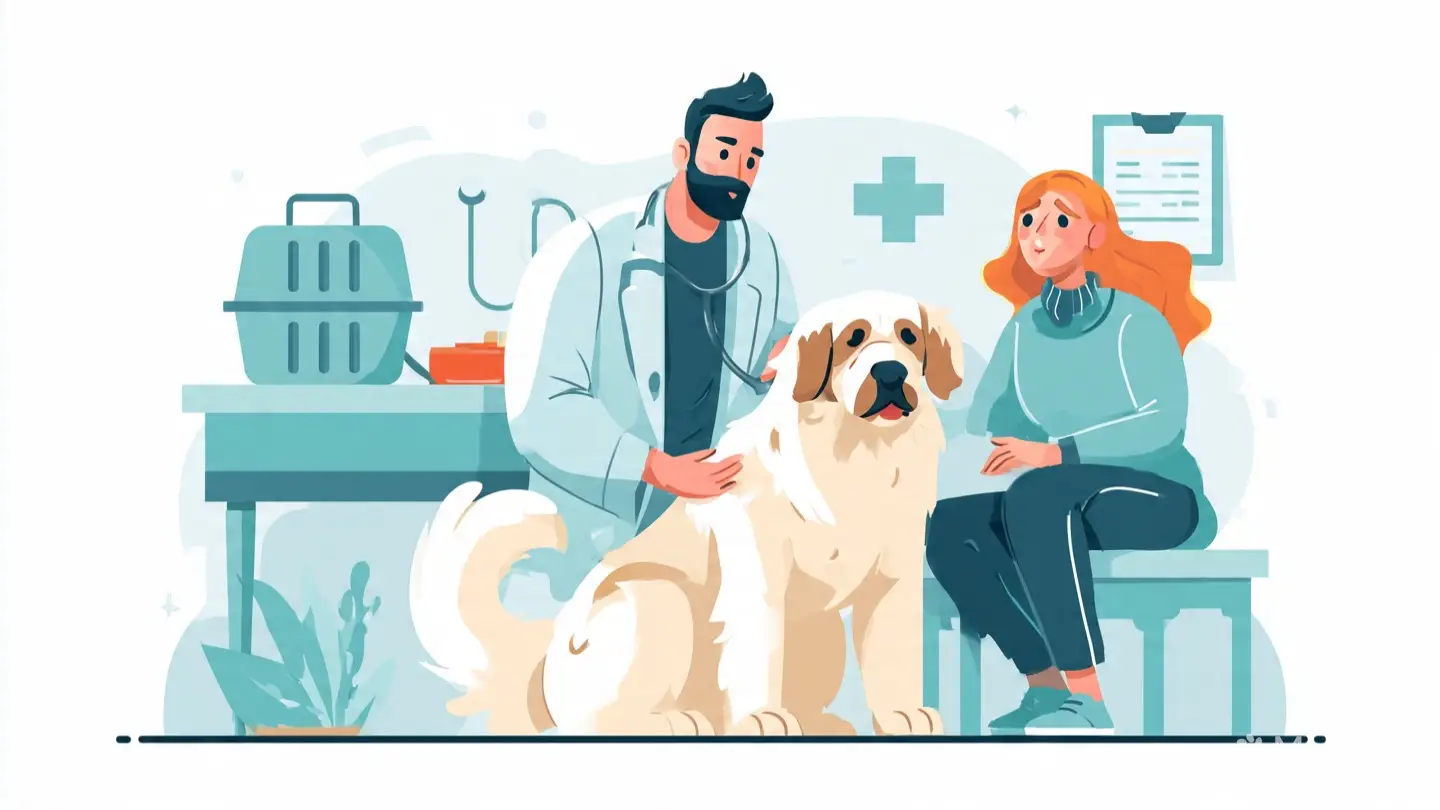
The veterinarian will ask about the duration and degree of inappetence, recent dietary changes, medication history, access to toxins or foreign material, and any other symptoms. A thorough physical examination assesses body condition, hydration, abdominal palpation, oral examination, and lymph node assessment.
Bloodwork
A complete blood count and biochemistry panel assesses organ function — liver, kidneys, and pancreas — blood sugar, electrolytes, and markers of infection and inflammation. This is one of the most informative first steps and often identifies the underlying cause or narrows the differential significantly.
Urinalysis
Provides additional information about kidney function, hydration status, and systemic health.
Imaging
Abdominal X-rays and ultrasound assess organ size and structure, identify foreign bodies, masses, and abnormal fluid, and evaluate the gastrointestinal tract for obstruction or abnormal thickening.
Additional Testing
Depending on initial findings, further diagnostics may include specific endocrine tests (thyroid, cortisol, insulin), tick-borne disease panels, infectious disease testing, or biopsy of abnormal tissue.
Book an Appointment at Walker Lake Veterinary Centre
Walker Lake Veterinary Centre provides comprehensive assessment for inappetence and other gastrointestinal and systemic conditions in dogs and cats across Walker Lake, Summerside, Ellerslie, Heritage Valley, and Southwest Edmonton.
Call us at (587) 786-6771 or book online. We are located at 5109 22 Avenue SW, Edmonton.
Clinic hours:
- Monday, Tuesday & Thursday: 9:00 AM – 7:00 PM
- Wednesday & Friday: 9:00 AM – 6:00 PM
- Saturday: 9:00 AM – 3:00 PM
- Sunday: Closed
Frequently Asked Questions
Is it normal for dogs to skip a meal occasionally?
An occasional missed meal in an otherwise healthy, active adult dog with normal energy levels and no other symptoms is not uncommon and rarely indicates a serious problem. However, if a dog skips more than one meal, is showing other symptoms, or is a puppy, senior, or has a health condition, veterinary advice is appropriate.
My dog is drinking water but not eating — should I be concerned?
A dog that is drinking and not eating is less immediately concerning than one that is neither eating nor drinking. However, if inappetence persists beyond 24 hours despite access to water, veterinary assessment is warranted. Some causes of inappetence — kidney disease, for example — initially cause increased thirst alongside reduced appetite.
Should I try different foods to encourage my dog to eat?
Offering a small amount of highly palatable food — plain boiled chicken — to stimulate appetite during illness is reasonable. However, repeatedly changing food, adding rich toppings, or offering human food in response to fussy behaviour reinforces the behaviour and creates a dog that will only eat premium options. Rule out medical causes before concluding the problem is behavioural.
Can stress cause a dog to stop eating?
Yes. Stress and anxiety are recognised causes of inappetence in dogs. Common stressors include rehoming, travel, new family members, changes in routine, and fireworks. Stress-related inappetence typically resolves once the stressful situation passes. If it persists, addressing the underlying anxiety with veterinary guidance may be appropriate.
My dog stopped eating after starting antibiotics — is this the medication?
Antibiotics — particularly metronidazole — commonly cause nausea and reduced appetite in dogs. Contact your veterinarian if your dog is refusing to eat while on antibiotics. A dose adjustment, splitting the dose, giving with food, or switching to a different antibiotic may resolve the issue. Do not stop the antibiotic course without veterinary advice.