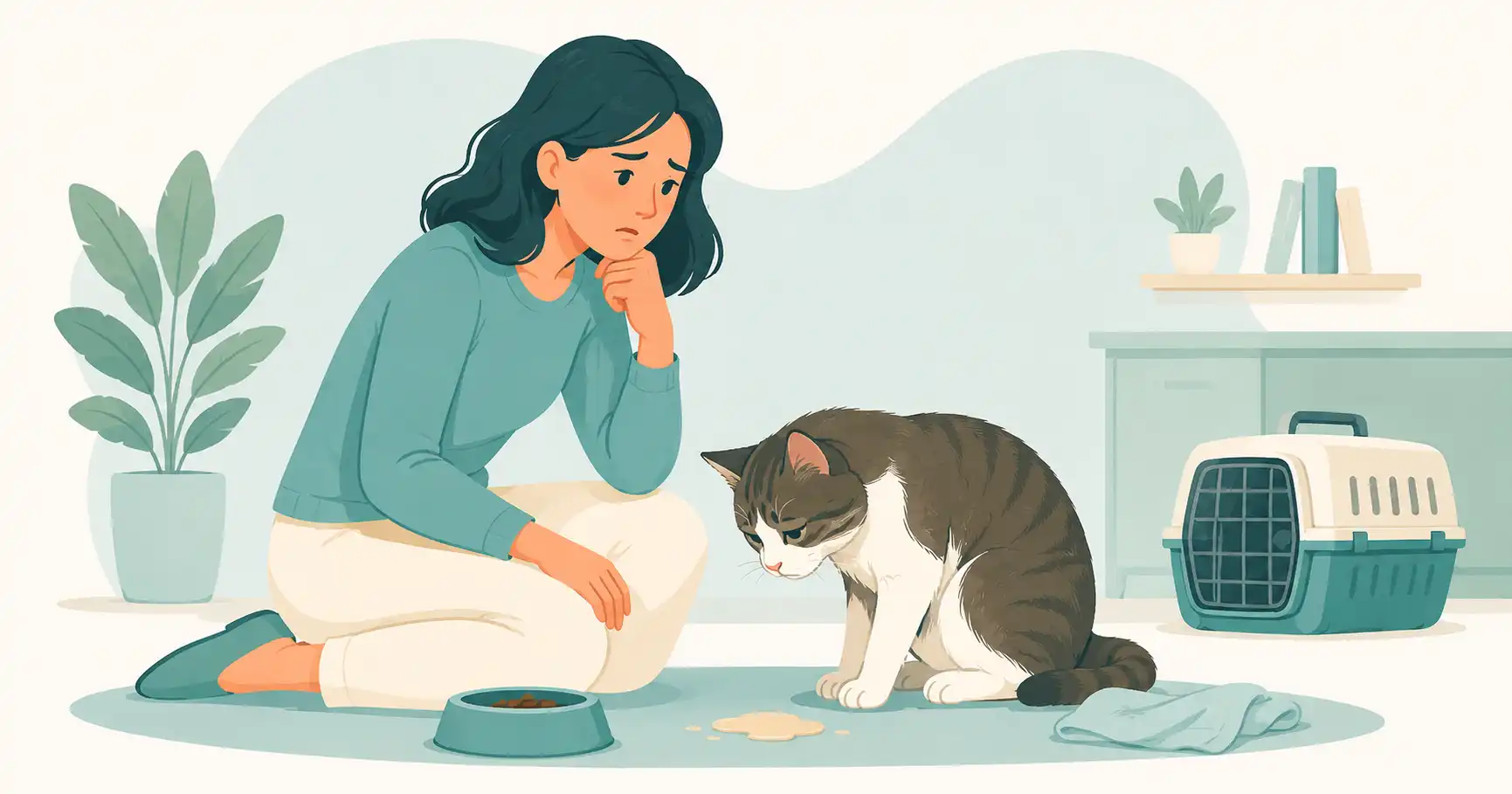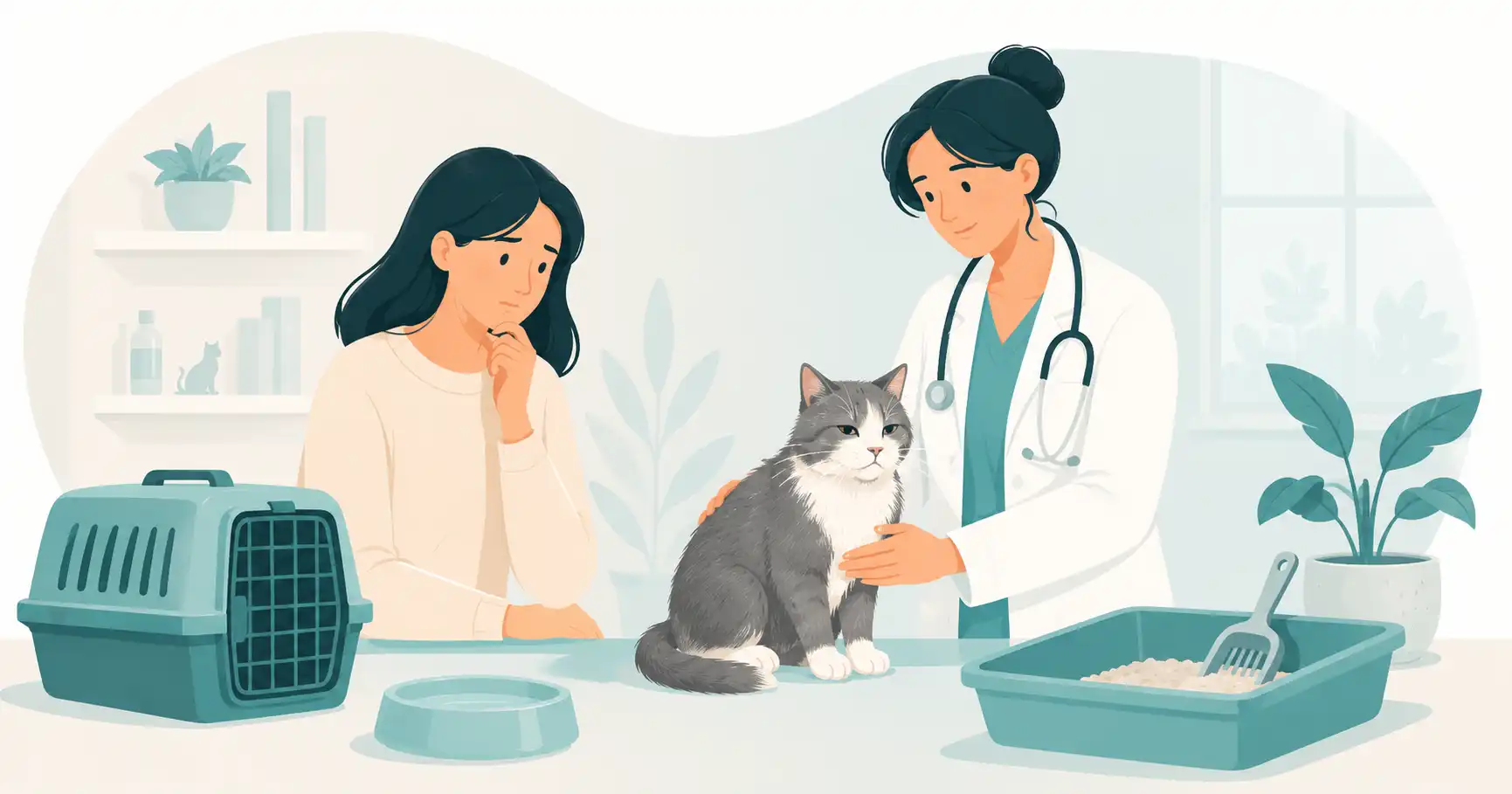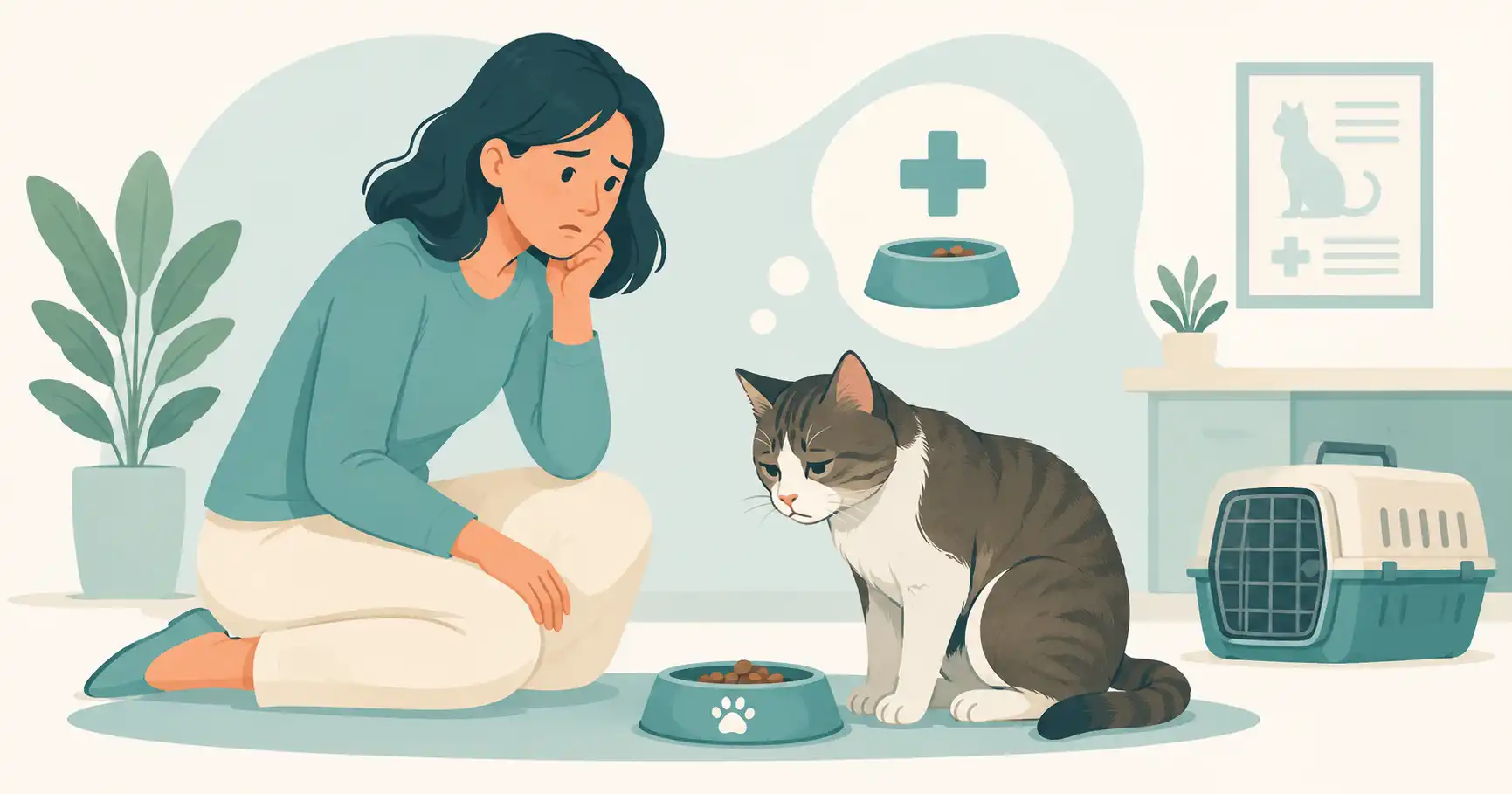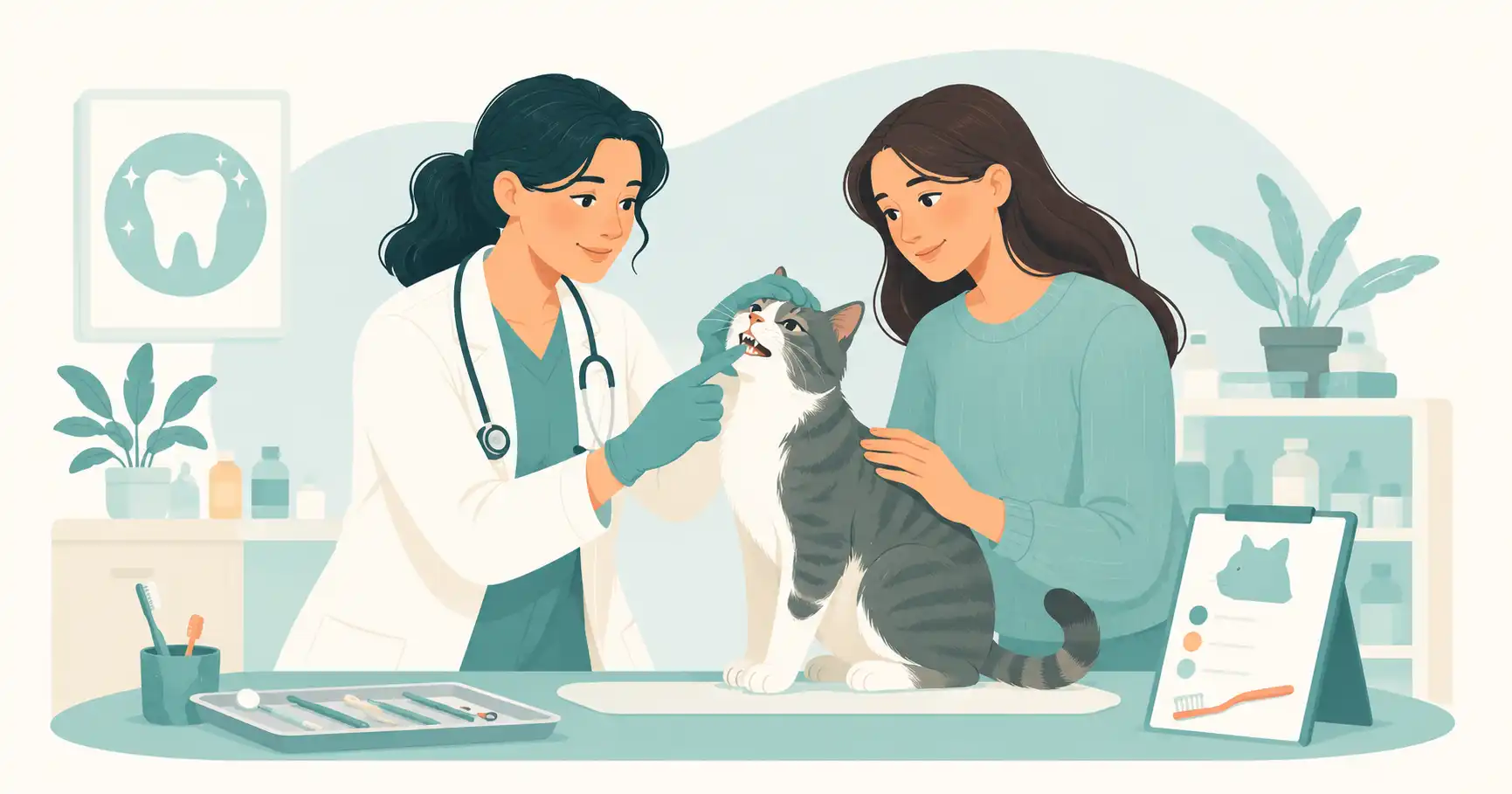
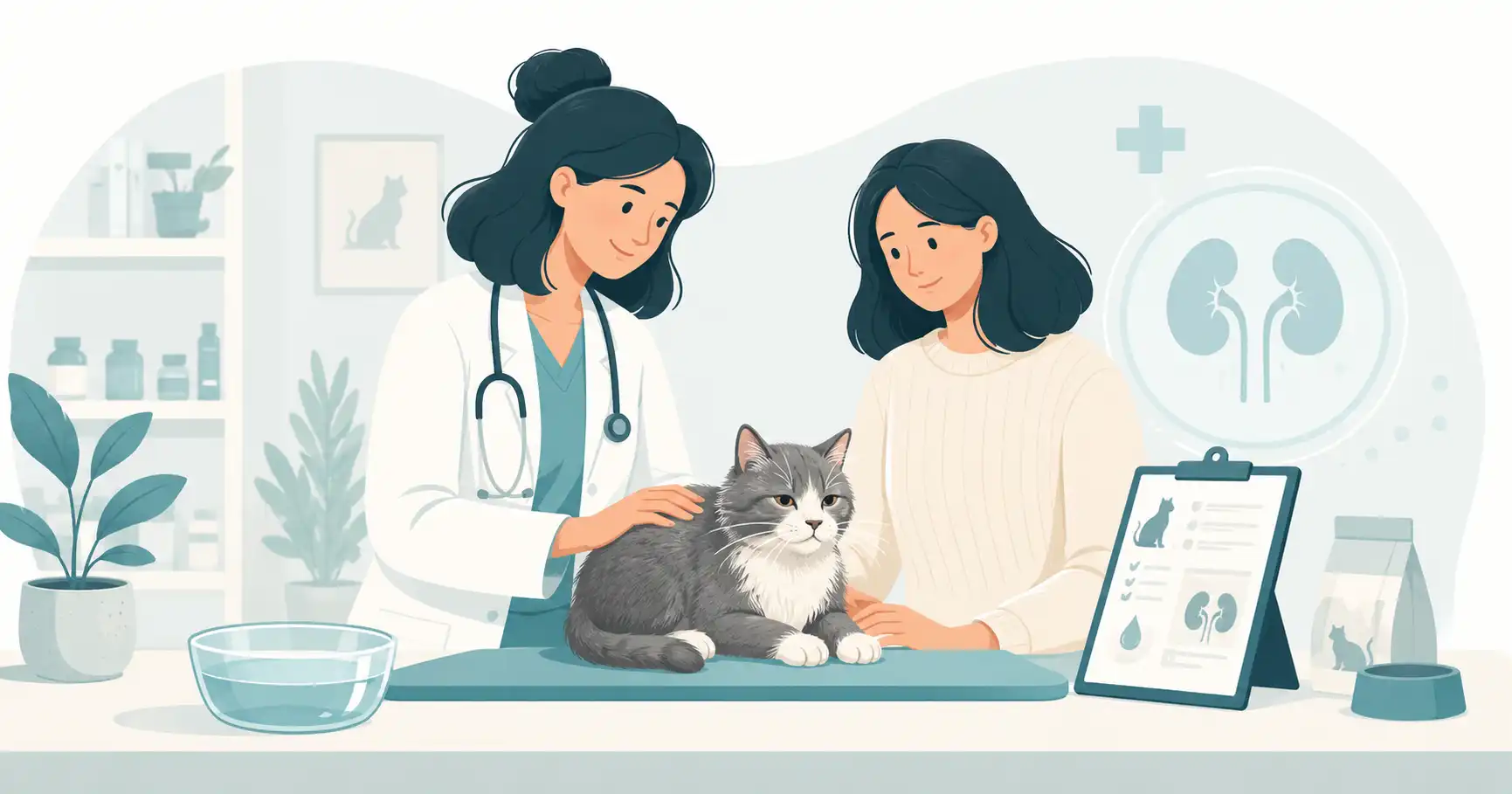
Kidney disease is one of the most common conditions affecting older cats — and one of the most important to detect early. Studies suggest that up to 30 to 40% of cats over the age of 10 have some degree of chronic kidney disease, yet many are not diagnosed until the condition is already significantly advanced. This is because the kidneys have remarkable compensatory capacity — they can lose up to 75% of their functional tissue before obvious signs of failure appear.
Early detection through regular wellness examinations and blood testing gives affected cats the best chance of a long, comfortable life with appropriate management. If your cat is drinking more than usual, losing weight, or seems less energetic than before, contact Walker Lake Veterinary Centre at (587) 786-6771 for an assessment.
Chronic kidney disease in cats is not curable — but it is highly manageable. Cats diagnosed early and managed appropriately can live for years with good quality of life. The goal of treatment is to slow progression, maintain comfort, and support the remaining kidney function for as long as possible.
What Do the Kidneys Do?
The kidneys perform several essential functions that affect almost every system in the body:
- Filter waste products and toxins from the bloodstream — excreting them in urine
- Regulate water balance and urine concentration
- Maintain electrolyte balance — sodium, potassium, phosphorus, and calcium
- Regulate blood pressure
- Produce erythropoietin — a hormone that stimulates red blood cell production
- Activate vitamin D — important for calcium regulation and bone health
- Regulate acid-base balance
When kidney function declines, all of these processes are progressively compromised. The accumulation of waste products — uraemia — and the loss of regulatory functions produce the wide range of signs associated with chronic kidney disease.
Types of Kidney Disease in Cats
Chronic Kidney Disease — CKD
The most common form of kidney disease in cats. CKD involves the gradual, progressive loss of functional kidney tissue over months to years. The damaged tissue is replaced by scar tissue — fibrosis — which cannot perform normal kidney functions. Because the process is slow and the kidneys have significant compensatory reserve, many cats show no obvious signs until the disease is moderately advanced.
CKD is staged using the International Renal Interest Society (IRIS) staging system — stages 1 through 4 based on blood creatinine and SDMA levels, with substages for blood pressure and proteinuria. Staging guides treatment decisions and helps predict prognosis.
Acute Kidney Injury — AKI
A sudden, rapid decline in kidney function caused by a specific insult — toxin exposure (lilies, antifreeze, NSAIDs), infection, obstruction, or severe dehydration. Unlike CKD, AKI may be partially or fully reversible if the cause is identified and treated promptly. However, AKI can also progress to permanent CKD if damage is severe.
Polycystic Kidney Disease — PKD
A genetic condition primarily affecting Persian cats and related breeds. Multiple fluid-filled cysts develop within the kidneys from birth, gradually enlarging and replacing functional tissue. PKD is the most common inherited disease in cats. A genetic test identifies affected individuals. There is no cure — management is the same as for CKD once signs develop.
Pyelonephritis
Bacterial infection of the kidney — either as a primary infection or ascending from a lower urinary tract infection. Pyelonephritis causes acute illness — fever, back pain, vomiting, and lethargy — alongside urinary signs. Prompt antibiotic treatment is required to prevent permanent kidney damage.
What Causes CKD in Cats?
In many cats with CKD, no specific underlying cause is identified — the disease appears to be a consequence of ageing and cumulative exposure to various renal insults over a lifetime. Known and suspected contributing factors include:
- Advancing age — the most significant risk factor
- Chronic dehydration — feeding primarily dry food over many years
- Dental disease — chronic bacteraemia from severe periodontal disease may contribute to kidney injury
- Hyperthyroidism — paradoxically, treating hyperthyroidism can unmask previously hidden CKD by reducing the elevated glomerular filtration rate that hyperthyroidism produces
- Hypertension — high blood pressure damages kidney vessels over time
- Previous acute kidney injury — even apparently recovered AKI can leave permanent scar tissue
- Genetic factors — certain breeds including Persians, Abyssinians, and Siamese appear predisposed
- Chronic use of nephrotoxic substances
Stages of Chronic Kidney Disease
IRIS Stage 1
Kidney values within normal laboratory reference ranges but early markers of kidney disease present — mildly elevated SDMA, abnormal urine protein, or structural abnormalities on imaging. No clinical signs. Early intervention at this stage offers the best opportunity to slow progression.
IRIS Stage 2
Mild elevation of creatinine and SDMA. Most cats remain clinically well at this stage — signs may be very subtle. Increased water consumption and slightly dilute urine may be the only observable changes.
IRIS Stage 3
Moderate elevation of kidney values. Clinical signs become more apparent — weight loss, reduced appetite, vomiting, lethargy, and poor coat condition. The cat’s quality of life may begin to be noticeably affected.
IRIS Stage 4
Severe elevation of kidney values with significant uraemia. Profound clinical signs — complete anorexia, persistent vomiting, severe lethargy, oral ulcers, and in terminal cases seizures and coma. Quality of life is significantly compromised. Intensive supportive care may provide temporary improvement but long-term prognosis is poor.
Early Signs of Kidney Disease in Cats
The early signs of CKD are subtle and easily attributed to normal ageing — making routine blood and urine testing the most reliable way to detect the disease before clinical signs develop.
Early and Mild Signs
- Increased thirst — drinking noticeably more water than previously
- Increased urination — producing larger volumes of more dilute urine
- Subtle weight loss — may be gradual and easy to miss without regular weighing
- Slightly reduced appetite — eating a little less than usual
- Mild lethargy — slightly less active or playful than normal
- Coat quality changes — the coat may appear slightly duller or less well-groomed
Moderate to Advanced Signs
- Significant weight loss — often most visible over the spine and hindquarters
- Reduced or absent appetite
- Vomiting — from toxin accumulation causing nausea
- Lethargy and weakness — the cat spends more time resting
- Dehydration — skin tenting, dry mucous membranes
- Bad breath with an ammonia-like or chemical odour — from uraemic toxins
- Oral ulcers — uraemic toxins damage the mouth lining
- Pale gums — anaemia from reduced erythropoietin production
- High blood pressure — may cause sudden blindness from retinal detachment
- Muscle wasting — generalised loss of muscle mass
⚠️ Sudden blindness in a cat — walking into objects, dilated unresponsive pupils, apparent disorientation — can be caused by hypertensive retinal detachment secondary to kidney disease. This is an emergency. Prompt blood pressure control can sometimes restore vision if treated within hours. Call (587) 786-6771 immediately.
Diagnosing Kidney Disease
Blood Tests
The primary diagnostic tool for CKD. Key markers include:
Creatinine
A waste product filtered by the kidneys. Elevated creatinine indicates reduced kidney filtration capacity. Creatinine only rises above normal reference ranges when approximately 75% of kidney function has been lost — meaning significant disease may be present before creatinine becomes abnormal.
SDMA — Symmetric Dimethylarginine
A newer, more sensitive kidney biomarker that rises above normal when approximately 40% of kidney function has been lost — significantly earlier than creatinine. SDMA is now included in routine blood panels and has transformed early CKD detection in cats.
BUN — Blood Urea Nitrogen
Another waste product filtered by the kidneys. Rises in parallel with creatinine. Influenced by factors other than kidney function — diet, hydration, and gastrointestinal bleeding — making it less specific than creatinine or SDMA.
Phosphorus
Elevated phosphorus is both a consequence of reduced kidney filtration and a driver of further kidney damage. Phosphorus management is a cornerstone of CKD treatment.
Potassium
Cats with CKD frequently develop hypokalaemia — low potassium — which contributes to muscle weakness and worsening kidney function. Potassium supplementation is commonly required.
Urinalysis
Urine specific gravity — the concentration of urine — is one of the earliest abnormalities in CKD. Cats with early kidney disease produce dilute urine (isosthenuria or hyposthenuria) because the damaged kidneys cannot concentrate urine normally. Proteinuria — protein in the urine — is an important marker of kidney damage and a driver of progression.
Blood Pressure Measurement
Hypertension is both a cause and a consequence of CKD. Blood pressure measurement is an essential part of CKD assessment and monitoring. Systolic blood pressure above 160mmHg requires treatment.
Imaging
Abdominal ultrasound assesses kidney size, shape, and internal architecture — identifying small, irregular kidneys typical of advanced CKD, cysts in PKD, and abnormalities of the ureters and bladder. X-rays may detect mineralisation within the kidneys.
Urine Protein-to-Creatinine Ratio — UPC
Quantifies the degree of proteinuria. Significant proteinuria accelerates CKD progression and is an indication for specific treatment to reduce protein loss.
Managing Chronic Kidney Disease
CKD management is multifaceted — addressing the multiple consequences of reduced kidney function simultaneously.
Dietary Management
Renal Diet
A prescription renal diet is the most impactful single intervention for cats with CKD. Renal diets are:
- Restricted in phosphorus — reducing the phosphorus load on damaged kidneys and slowing progression
- Protein-modified — providing high-quality protein at a controlled level that minimises uraemic toxin production while maintaining muscle mass
- Supplemented with omega-3 fatty acids — which have renoprotective effects
- Formulated to support palatability — crucial because CKD cats often have reduced appetite
Transitioning to a renal diet should be done very gradually — a cat with CKD that refuses to eat is at risk of hepatic lipidosis. Never force a renal diet on a cat that will not eat it. Work with your veterinarian to find a palatable option.
Hydration and Water Intake
Maintaining adequate hydration is critically important for CKD cats. Strategies include:
- Transitioning to wet food — dramatically increases daily water intake
- Providing a water fountain — many cats preferentially drink from moving water
- Multiple water stations throughout the home
- Adding water or low-sodium broth to wet food
- Subcutaneous fluids — administration of fluids under the skin at home. Many owners of CKD cats learn to administer subcutaneous fluids at home on a regular basis — this is one of the most effective ways to maintain hydration and quality of life in cats with moderate to advanced CKD
Phosphorus Management
Dietary Phosphorus Restriction
Prescription renal diets restrict phosphorus. When dietary restriction alone is insufficient to normalise blood phosphorus levels, intestinal phosphate binders are added.
Phosphate Binders
Administered with food, these medications bind dietary phosphorus in the intestine and prevent absorption. Multiple products are available — aluminium hydroxide, calcium carbonate, lanthanum carbonate, and others. The choice depends on the cat’s phosphorus level, other health conditions, and palatability.
Blood Pressure Management
Hypertension in CKD cats requires treatment to prevent target organ damage — particularly to the eyes, brain, heart, and kidneys themselves.
Amlodipine — a calcium channel blocker — is the most effective and commonly used antihypertensive medication in cats. It is highly effective at reducing blood pressure and is generally well tolerated.
Managing Proteinuria
Significant proteinuria — UPC above 0.4 in cats — indicates ongoing kidney damage and accelerates progression. ACE inhibitors such as benazepril or telmisartan may be prescribed to reduce protein loss and slow CKD progression in proteinuric cats.
Managing Anaemia
As CKD progresses, reduced erythropoietin production from the damaged kidneys leads to non-regenerative anaemia. Management options include:
- Erythropoiesis-stimulating agents — subcutaneous injections that stimulate red blood cell production
- Darbepoetin — a longer-acting synthetic erythropoietin that requires less frequent injection
- Blood transfusion — for cats with severe, acute anaemia
- Iron supplementation — if iron deficiency contributes
Managing Potassium Deficiency
Hypokalaemia is common in CKD cats and contributes significantly to muscle weakness and poor quality of life. Oral potassium gluconate supplementation is typically effective and well tolerated when added to food.
Managing Nausea and Vomiting
Uraemia causes significant nausea that reduces food intake and quality of life. Anti-nausea medications — maropitant (Cerenia) and ondansetron — and H2 blockers that reduce stomach acid — famotidine — help manage these symptoms.
Monitoring CKD
Regular monitoring is essential to detect progression, identify complications, and adjust treatment:
- Blood and urine tests every 3 to 6 months — frequency depends on disease stage
- Blood pressure checks at every visit
- Body weight monitoring — monthly at home, recorded at every veterinary visit
- Appetite and hydration assessment
- Quality of life evaluation — using validated feline quality of life scoring tools
If your cat is over 7 years old and has not had recent bloodwork, book a senior wellness check at Walker Lake Veterinary Centre. Early CKD detection makes the biggest difference. Call (587) 786-6771 or book online. Located at 5109 22 Avenue SW, Southwest Edmonton.
Quality of Life and End of Life Considerations
CKD is a progressive disease — despite the best management, kidney function will continue to decline over time. Open, honest conversations with your veterinarian about quality of life, treatment goals, and end of life planning are an important part of managing a cat with advanced CKD.
Quality of life scoring tools — such as the Feline Quality of Life Scale — provide a structured framework for assessing whether a cat is experiencing more good days than bad. When a cat’s quality of life is consistently poor despite maximal supportive care, humane euthanasia should be considered as an act of compassion.
Book an Appointment at Walker Lake Veterinary Centre
Walker Lake Veterinary Centre provides kidney function assessment, CKD staging, blood pressure monitoring, and comprehensive long-term management for cats with kidney disease across Walker Lake, Summerside, Ellerslie, Heritage Valley, and Southwest Edmonton.
Call us at (587) 786-6771 or book online. We are located at 5109 22 Avenue SW, Edmonton.
Clinic hours:
- Monday, Tuesday & Thursday: 9:00 AM – 7:00 PM
- Wednesday & Friday: 9:00 AM – 6:00 PM
- Saturday: 9:00 AM – 3:00 PM
- Sunday: Closed
Frequently Asked Questions
At what age should my cat be tested for kidney disease?
Annual bloodwork including SDMA is recommended from age 7 onwards for all cats — the age at which the risk of CKD and other age-related conditions begins to increase meaningfully. For breeds predisposed to kidney disease — Persians, Abyssinians, Siamese — earlier screening from age 5 is reasonable. For cats already showing signs suggestive of kidney disease at any age, testing should not be delayed.
How long can a cat live with kidney disease?
Survival with CKD varies enormously depending on the stage at diagnosis, the individual cat, and how well the disease is managed. Cats diagnosed at IRIS Stage 1 or 2 with appropriate management may live for several years with excellent quality of life. Cats diagnosed at Stage 3 have a median survival of 1 to 2 years with good management. Stage 4 carries a much more guarded prognosis — median survival is typically weeks to months.
My cat has been diagnosed with kidney disease but seems completely normal — should I start treatment?
Yes. The earlier treatment begins, the more effectively progression can be slowed. A cat that appears clinically normal has already lost significant kidney function — the kidneys compensate remarkably well until function is severely compromised. Beginning dietary management, increasing water intake, and monitoring blood pressure at Stage 1 or 2 produces significantly better long-term outcomes than waiting until the cat is obviously unwell.
Is subcutaneous fluid administration at home difficult?
Most cat owners learn to administer subcutaneous fluids at home with appropriate training and find it manageable within a few sessions. The needle is placed under the loose skin over the shoulders, and fluids are administered over 5 to 10 minutes. Many cats tolerate it remarkably well — particularly when it makes them feel significantly better. Your veterinary team will provide thorough training, support, and the appropriate equipment.
Can kidney disease in cats be reversed?
Chronic kidney disease involves permanent loss of functional kidney tissue through fibrosis — this structural damage cannot be reversed. However, acute kidney injury — if identified and treated rapidly before permanent damage occurs — may be partially or fully reversible. Management of CKD focuses on slowing progression and maintaining quality of life rather than reversal.