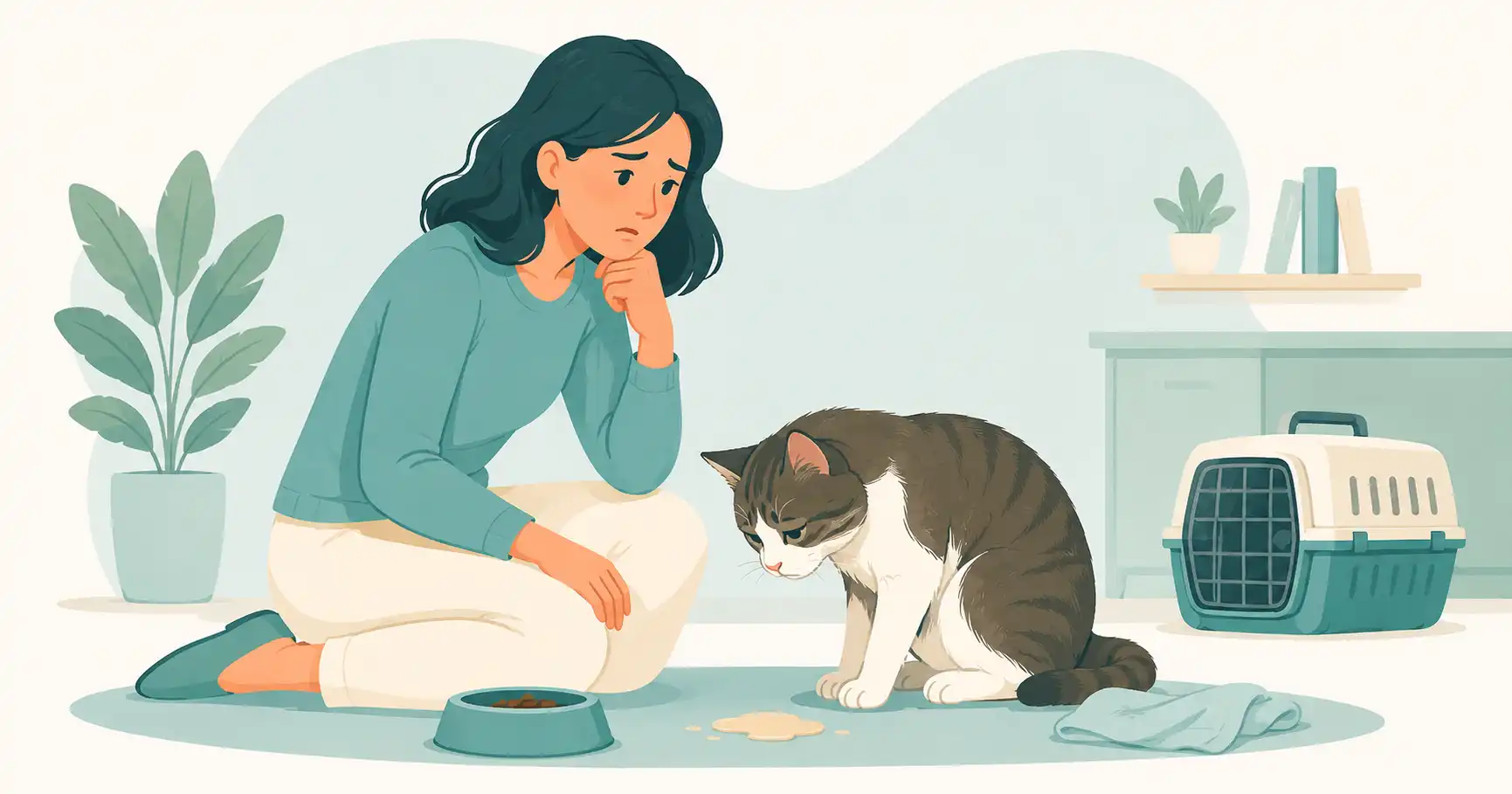
Changes in appetite are among the most common and most clinically significant signs of illness in cats. Whether a cat has stopped eating entirely, is eating significantly less than normal, or has developed a dramatically increased appetite, any meaningful change from their established baseline warrants attention.
Cats are uniquely vulnerable to the consequences of not eating — even a brief period of complete anorexia can trigger a potentially fatal liver condition called hepatic lipidosis. At the same time, a cat eating significantly more than usual but losing weight is a classic presentation of hyperthyroidism — a highly treatable but progressive condition if left unmanaged.
If your cat’s appetite has changed significantly in either direction, contact Walker Lake Veterinary Centre at (587) 786-6771 for an assessment.
⚠️ A cat that has eaten nothing for 48 hours requires same-day veterinary assessment regardless of other symptoms. Hepatic lipidosis — fatty liver disease — can develop within 2 to 3 days of complete anorexia in cats and is life-threatening without treatment.
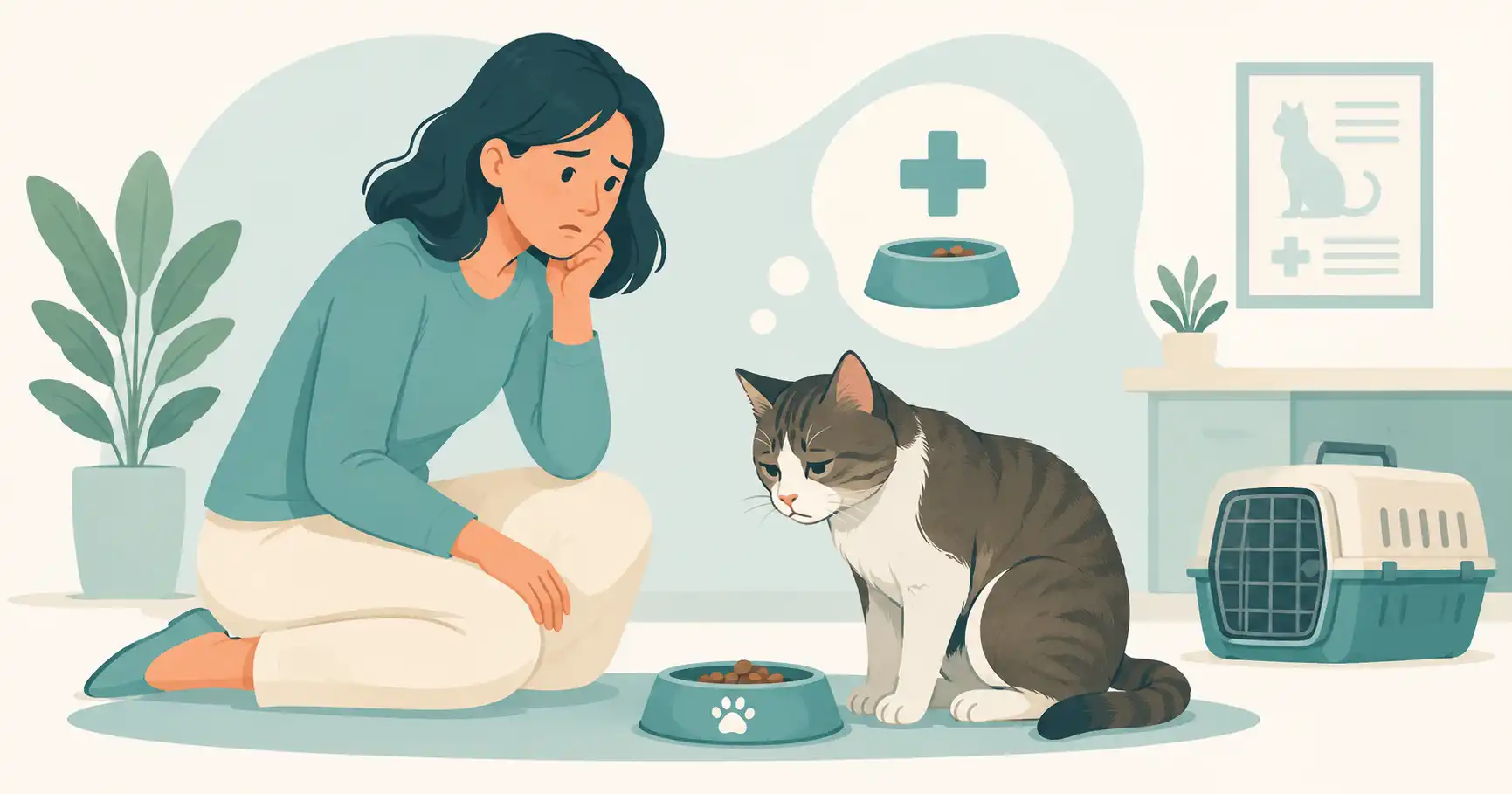
Part One — Cat Not Eating
How Long Can a Cat Go Without Eating?
Unlike dogs, cats have very limited ability to tolerate prolonged food deprivation. When a cat stops eating, the body begins mobilising fat stores to provide energy. In cats, this fat mobilisation overwhelms the liver’s processing capacity — fat accumulates within liver cells faster than it can be metabolised, causing hepatic lipidosis — fatty liver disease.
This process can begin within 2 to 3 days of complete food deprivation in an overweight cat, and within a week in a lean cat. Hepatic lipidosis causes jaundice, profound lethargy, and worsening anorexia — creating a vicious cycle that can be fatal without aggressive nutritional support.
The appropriate response to a cat that has not eaten varies by:
- Duration — 24 hours of reduced eating is concerning; 48 hours of complete anorexia is an emergency
- Age — kittens and senior cats have less reserve and deteriorate faster
- Body condition — overweight cats develop hepatic lipidosis more rapidly than lean cats
- Other symptoms present — vomiting, lethargy, or weight loss significantly increases urgency
- Known underlying health conditions
Common Causes of Inappetence in Cats
Stress and Environmental Change
Cats are highly sensitive to environmental disruption. Any change in their environment or routine can trigger acute stress-related anorexia:
- Moving house
- New family members — a new baby, a new pet, a new partner
- Changes in owner routine — new work schedule, travel, bereavement
- Building work or unusual noise
- New furniture or rearrangement of the home
- Conflict with other cats in the household
Stress-related anorexia typically resolves within 24 to 48 hours once the cat adjusts. If it persists beyond this window, veterinary assessment is appropriate.
Dental and Oral Pain
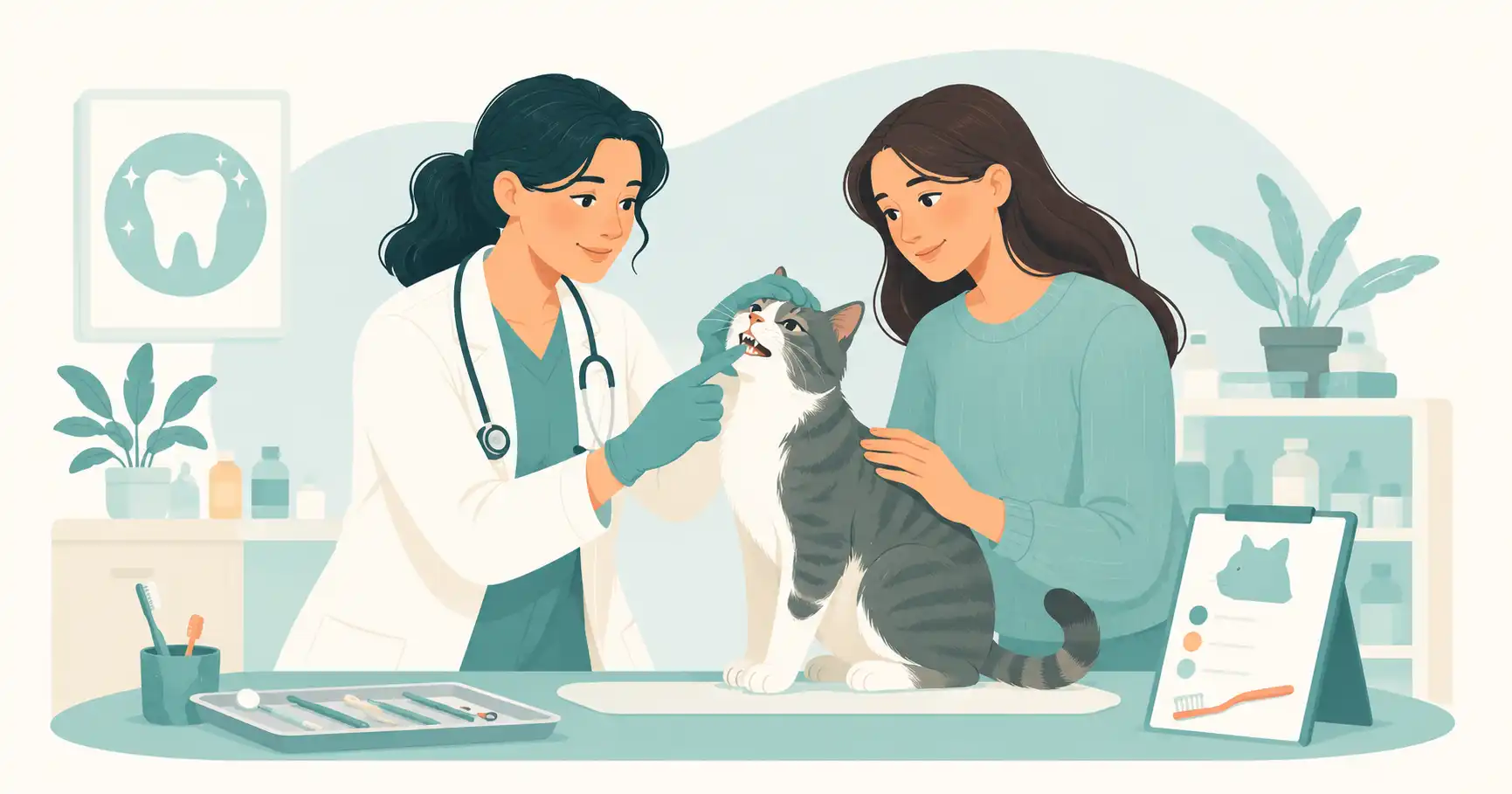
Dental disease — periodontal disease, tooth root abscesses, fractured teeth, and oral ulcers — is one of the most common and most overlooked causes of reduced appetite in cats. A cat with a painful mouth may approach the food bowl, sniff the food, and then walk away — or may eat very slowly or chew only on one side.
Over 70% of cats over the age of 3 have some degree of dental disease. Many hide oral pain remarkably well — appetite reduction may be the primary sign an owner notices.
Nausea
Nausea from any cause suppresses appetite. Common causes of nausea in cats include:
- Gastrointestinal disease — gastritis, IBD, pancreatitis
- Kidney disease — uraemic toxin accumulation
- Liver disease
- Hyperthyroidism paradoxically can cause nausea despite typically increasing appetite
- Medication side effects
- Motion sickness
Respiratory Infection
Upper respiratory infections — cat flu — affect a cat’s ability to smell food. Because cats rely heavily on scent to stimulate appetite, a blocked nose from a respiratory infection can cause complete food refusal even when the cat is otherwise not severely ill. Warming food slightly to enhance its aroma can help in these cases.
Pain
Any source of pain suppresses appetite. Musculoskeletal pain — arthritis, injury — abdominal pain, and post-surgical pain all reduce food intake. A cat in pain may also become less social, hide more, and be reluctant to be handled.
Gastrointestinal Disease
Conditions affecting the stomach and intestines — IBD, pancreatitis, intestinal obstruction, constipation — directly impair appetite through nausea, abdominal discomfort, and systemic effects.
Liver Disease
The liver plays a central role in metabolism and detoxification. When liver function is compromised — from hepatic lipidosis, cholangitis, lymphoma, or other hepatic disease — toxin accumulation causes profound nausea and anorexia. Cats with liver disease may show jaundice — a yellow tinge to the gums, skin, and whites of the eyes.
Kidney Disease
Uraemic toxins accumulating from reduced kidney function cause persistent nausea and appetite suppression. Reduced appetite and weight loss are among the most common early signs of CKD in cats and are often what prompts the owner to seek veterinary assessment.
Hyperthyroidism
While hyperthyroidism classically causes increased appetite alongside weight loss, some hyperthyroid cats — particularly those with concurrent illness — paradoxically show reduced appetite. Any older cat with weight loss should have thyroid function assessed regardless of appetite changes.
Cancer
Neoplasia causes anorexia through multiple mechanisms — pain, nausea, metabolic changes, and tumour-produced substances that directly suppress appetite. Unexplained weight loss alongside chronic inappetence in an older cat always warrants thorough investigation.
Fussy Eating and Behavioural Causes
Some cats develop fussy eating behaviour — particularly those that have been offered multiple food options or human food. A cat that has learned that refusing food leads to more palatable alternatives may hold out for preferred options. This is more common than owners realise but is a diagnosis of exclusion — medical causes must always be ruled out first.
When Is Inappetence a Veterinary Emergency?
Go to the veterinary clinic immediately if your cat:
- Has not eaten for 48 hours or more
- Has yellow-tinged gums, skin, or eyes — jaundice
- Is vomiting alongside complete food refusal
- Is severely lethargic — unable to rise or walk normally
- Has pale or white gums
- Is a kitten that has not eaten for more than 12 hours
- Has a known health condition — diabetes, kidney disease, IBD — and has missed a meal
When to Book a Same-Day Appointment
- Significantly reduced appetite for more than 24 hours
- Eating much less than normal alongside lethargy or weight loss
- Reduced appetite following a stressful event that has not improved within 24 hours
- A senior cat eating less with no other obvious cause
- Any cat with concurrent vomiting and reduced appetite
Encouraging a Cat to Eat
For mild, short-term inappetence with no other concerning signs:
- Warm the food slightly — to just below body temperature — to enhance aroma
- Offer a small amount of a highly palatable food — plain cooked chicken, tuna in spring water
- Try a different food texture — some cats prefer pâté over chunks, or vice versa
- Offer food from your hand — the personal interaction may stimulate interest
- Ensure the feeding area is quiet and away from other pets
- Check the food has not expired and the bowl is clean
- Try a flat plate rather than a deep bowl — some cats dislike whisker fatigue from deep bowls
Do not offer a wide variety of alternative foods in rapid succession — this reinforces fussy behaviour. If these measures do not produce eating within 24 hours, seek veterinary assessment.
Part Two — Excessive Appetite in Cats
A cat eating significantly more than usual but losing weight — or maintaining weight that should otherwise be dropping — is a combination of signs that is just as clinically significant as a cat that is not eating.
Common Causes of Excessive Appetite in Cats
Hyperthyroidism
The most common cause of increased appetite combined with weight loss in older cats. An overactive thyroid gland dramatically increases metabolic rate — the cat burns calories far faster than normal and compensates by eating more. Despite the increased food intake, most hyperthyroid cats lose weight, often dramatically.
Classic signs of hyperthyroidism alongside increased appetite include:
- Weight loss despite good or increased appetite — the defining combination
- Increased activity and restlessness — hyperthyroid cats are often hyperactive
- Increased vocalisation — particularly at night
- Increased thirst and urination
- Vomiting and diarrhoea
- Poor, unkempt coat
- A palpable thyroid mass in the neck in some cases
- Elevated heart rate and heart murmur
Hyperthyroidism is highly treatable — medical management with methimazole, radioactive iodine treatment, prescription thyroid diet, or surgical thyroidectomy are all options. Early treatment prevents the cardiovascular and renal complications that develop in untreated hyperthyroid cats.
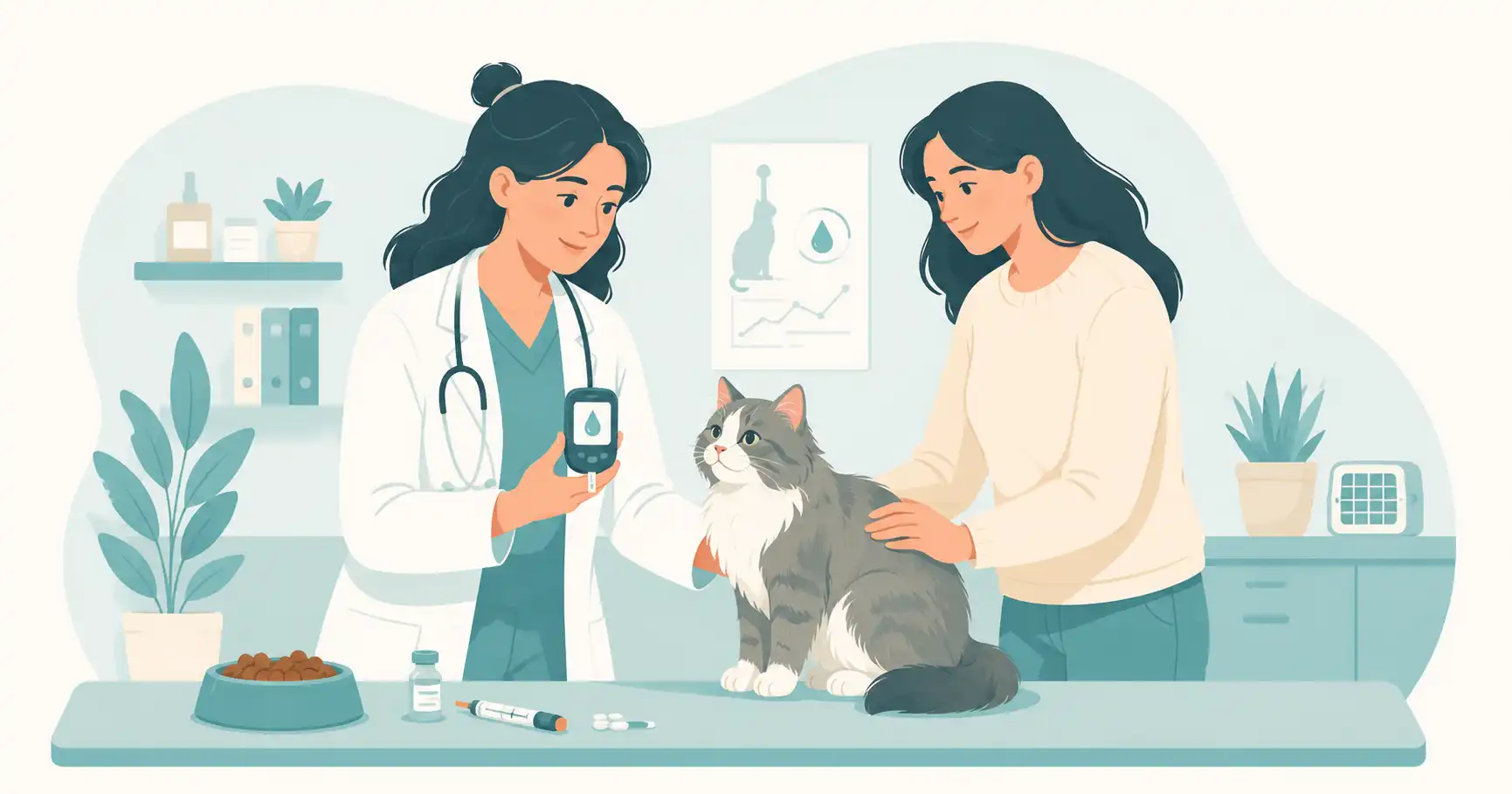
Diabetes Mellitus
Diabetes in cats causes excessive hunger because cells cannot access glucose without adequate insulin — the cat is effectively starving at the cellular level despite eating normally or excessively.
Classic signs of feline diabetes include:
- Increased appetite — sometimes dramatic
- Weight loss despite eating well
- Increased thirst — often the most obvious sign to owners
- Increased urination — large volumes of dilute urine
- Lethargy and weakness
- In uncontrolled diabetes — a sweet or acetone odour to the breath from ketones
- Hind limb weakness and a plantigrade stance — walking on the hocks rather than the toes — in diabetic neuropathy
Feline diabetes is manageable — most cats require twice-daily insulin injections and dietary modification with a high-protein, low-carbohydrate diet. Remarkably, some cats achieve diabetic remission — their insulin requirement disappears with appropriate management.
Intestinal Malabsorption
Conditions that impair nutrient absorption from the intestine — IBD, small cell lymphoma, exocrine pancreatic insufficiency — cause increased appetite because the cat absorbs insufficient nutrition from food despite eating. Weight loss alongside a ravenous appetite in a cat without hyperthyroidism or diabetes should prompt investigation for intestinal malabsorption.
Intestinal Parasites
Heavy worm burdens — particularly in younger cats — compete for nutrients and may stimulate increased appetite alongside weight loss and poor condition.
Acromegaly
A rare condition in older cats caused by a pituitary tumour producing excess growth hormone. Acromegaly causes insulin resistance — leading to difficult-to-control diabetes — alongside increased appetite, increased body size, and broadening of facial features. It is an uncommon but important cause of insulin-resistant diabetes in cats.
Medication Side Effects
Corticosteroids — used for allergies, IBD, and other conditions — commonly cause increased appetite and thirst as side effects. Some anticonvulsant medications also increase appetite.
When to See a Vet for Excessive Appetite
Any cat with a significant increase in appetite — particularly alongside weight loss or increased thirst — should be assessed promptly. These signs are not normal and almost always reflect an underlying medical condition. Earlier diagnosis and treatment of hyperthyroidism and diabetes produces better long-term outcomes and prevents secondary complications.
Whether your cat has stopped eating or is eating more than ever, both warrant assessment at Walker Lake Veterinary Centre. Call (587) 786-6771 or book online. Located at 5109 22 Avenue SW, Southwest Edmonton.
Investigating Appetite Changes in Cats
Physical Examination
A thorough examination including body weight, body condition score, oral examination, palpation of the thyroid glands, abdominal palpation, and cardiovascular assessment provides significant initial information.
Bloodwork
A complete blood count, biochemistry panel, and total thyroxine (T4) level — assessing kidney function, liver function, blood glucose, electrolytes, and thyroid hormone — addresses the most common causes of both reduced and increased appetite in cats in a single blood test.
Urinalysis
Urine specific gravity, glucose, and protein provide additional information about kidney function, diabetes, and systemic health.
Imaging
Abdominal ultrasound assesses gastrointestinal wall thickness, intestinal motility, organ structure, and lymph node size — important for investigating IBD, intestinal lymphoma, and pancreatitis.
Specialist Testing
For cats with suspected diabetes, blood glucose curves and fructosamine levels guide insulin dosing and management. For cats with suspected intestinal malabsorption, cobalamin (B12) and folate levels, and pancreatic lipase assessment, provide additional diagnostic information.
Book an Appointment at Walker Lake Veterinary Centre
Walker Lake Veterinary Centre provides comprehensive appetite and weight assessment, bloodwork, imaging, and long-term management for cats across Walker Lake, Summerside, Ellerslie, Heritage Valley, and Southwest Edmonton.
Call us at (587) 786-6771 or book online. We are located at 5109 22 Avenue SW, Edmonton.
Clinic hours:
- Monday, Tuesday & Thursday: 9:00 AM – 7:00 PM
- Wednesday & Friday: 9:00 AM – 6:00 PM
- Saturday: 9:00 AM – 3:00 PM
- Sunday: Closed
Frequently Asked Questions
How long can a cat go without eating before it is dangerous?
In overweight cats, hepatic lipidosis can begin to develop within 2 to 3 days of complete food deprivation. In lean cats the window is slightly longer — up to a week — but this should not be used as a reason to delay assessment. Any cat that has eaten nothing for 48 hours requires same-day veterinary assessment regardless of other symptoms.
My cat is eating less but seems otherwise normal — should I be concerned?
Yes. A meaningful reduction in appetite — eating less than half of normal for more than 24 hours — warrants veterinary attention even in an otherwise bright cat. Cats are skilled at masking illness and may appear relatively normal in the early stages of conditions that are significantly affecting their appetite.
My older cat is eating more but losing weight — what does this mean?
This combination is the classic presentation of hyperthyroidism — the most common hormonal disease in older cats. It should prompt a veterinary assessment and thyroid blood test promptly. Diabetes mellitus is the other important cause to investigate. Both conditions are highly treatable, particularly when diagnosed early.
Can I give my cat appetite stimulants?
Prescription appetite stimulants — mirtazapine and capromorelin — are available and effective for cats with reduced appetite. They are typically used as part of a broader management plan rather than as a primary treatment, as stimulating appetite without addressing the underlying cause is insufficient. Discuss appetite stimulants with your veterinarian as part of an overall management plan.
My cat is always begging for food — is this normal?
Some cats are simply food-motivated and will seek food opportunistically regardless of their actual nutritional needs. However, a cat that has previously been satisfied with their ration and has recently become persistently hungry and vocal about food — particularly if they are also losing weight or drinking more — should be assessed for hyperthyroidism or diabetes. Do not simply increase food intake in response to increased food-seeking without ruling out a medical cause.