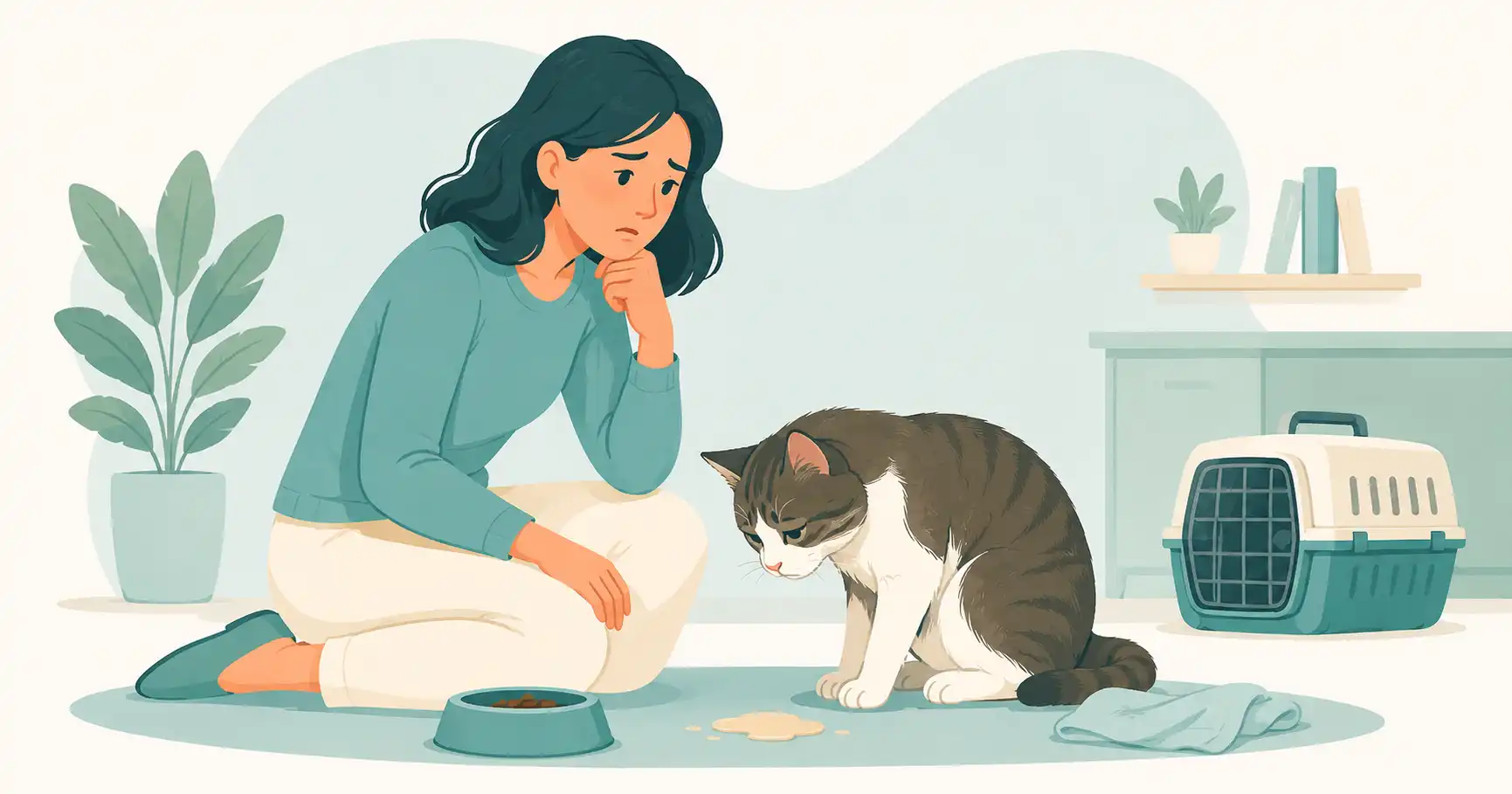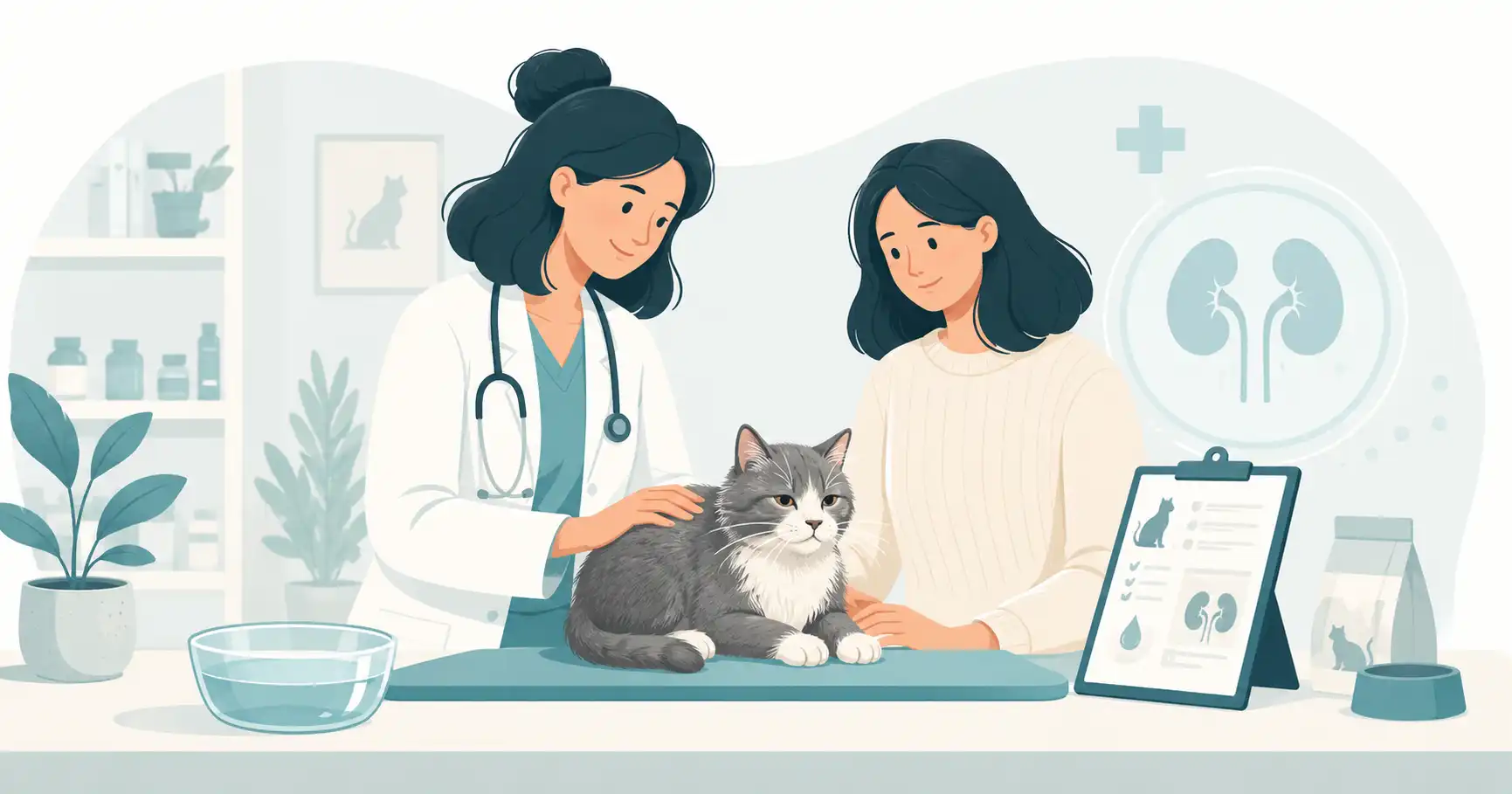
Urinary problems are among the most common conditions seen in cats — and among the most urgent. A cat straining to urinate may be dealing with anything from a mild bladder inflammation to a complete urinary blockage that can kill within 24 to 48 hours if untreated. Knowing the difference between a serious emergency and a condition that can wait for a routine appointment is potentially life-saving knowledge for every cat owner.
If your cat is straining to urinate, visiting the litter box repeatedly with little or no output, or crying in pain, contact Walker Lake Veterinary Centre immediately at (587) 786-6771.
⚠️ A male cat that is straining to urinate and producing no urine is experiencing a urinary blockage — a life-threatening emergency. Do not wait. Go to the veterinary clinic immediately. A blocked bladder can rupture and cause fatal toxin accumulation within 24 to 48 hours.
The Feline Urinary Tract — Why Cats Are Vulnerable
The feline urinary tract consists of the kidneys, ureters, bladder, and urethra. Cats are uniquely predisposed to urinary problems for several reasons related to their biology and domesticated lifestyle.
Cats evolved as desert animals with highly concentrated urine — a biological adaptation that allowed them to extract maximum water from prey and minimise water loss. This concentrated urine creates conditions where minerals crystallise more readily and where the bladder lining is exposed to irritating substances at higher concentrations than in dogs or humans.
Male cats have an additional anatomical vulnerability — their urethra is significantly narrower than in females, particularly through the penile portion. This narrow diameter makes male cats far more susceptible to complete urinary obstruction from crystals, mucus plugs, or inflammatory debris.
Domestic cats are also often less physically active than their wild counterparts, frequently fed dry diets with low moisture content, and subject to the chronic stress of indoor living — all factors that contribute to urinary disease.
Types of Cat Urinary Conditions
Feline Idiopathic Cystitis — FIC
The most common cause of lower urinary tract signs in cats under 10 years of age. FIC is inflammation of the bladder with no identifiable infectious cause — it is not caused by bacteria, crystals, or any structural abnormality. The underlying mechanism involves stress-induced disruption of the bladder lining, making it vulnerable to irritation from normal urine components.
FIC is a diagnosis of exclusion — other causes must be ruled out before it can be confirmed. It tends to be episodic — cats have flare-ups triggered by stressful events and then recover, only to have another episode weeks or months later.
Urinary Tract Infection — UTI
Bacterial UTIs are significantly less common in cats than in dogs — the healthy feline bladder is relatively resistant to bacterial infection. When they do occur, they are more common in older cats, in cats with diabetes or kidney disease, or in cats that have had urinary catheters placed.
Unlike in dogs, a cat presenting with lower urinary tract signs does not have a UTI as the most likely diagnosis — FIC and urolithiasis are more common causes and should be investigated first.
Urolithiasis — Bladder Stones and Crystals
Mineral crystals and stones form in the urine when conditions favour precipitation — highly concentrated urine, specific urine pH, certain dietary compositions, and genetic predisposition all contribute. The two most common crystal and stone types in cats are:
Struvite
Composed of magnesium ammonium phosphate. Most commonly associated with bacterial infection in older cats — the bacteria alter urine pH in a way that promotes struvite formation. In younger cats, struvite may form without infection. Struvite stones and crystals can often be dissolved with a specific dissolution diet.
Calcium Oxalate
More common in older cats and in male cats. Calcium oxalate stones cannot be dissolved with diet — they require surgical or cystoscopic removal. Prevention involves increasing water intake, dietary modification, and in some cases medication.
Urethral Obstruction — Blocked Cat
The most dangerous urinary condition in cats. A urethral obstruction occurs when the narrow urethra becomes blocked by a urethral plug — a mixture of crystals, mucus, inflammatory cells, and proteins — or by uroliths, urethral spasm, or in rare cases a tumour or stricture.
Male cats are at dramatically higher risk than females due to their narrower urethra. Complete obstruction causes urine to accumulate in the bladder, which becomes progressively distended. Toxins — particularly potassium — accumulate in the bloodstream causing life-threatening cardiac arrhythmias. Without treatment, most cats with complete urinary obstruction die within 24 to 48 hours.
Feline Lower Urinary Tract Disease — FLUTD
FLUTD is an umbrella term covering all conditions that cause lower urinary tract signs in cats — FIC, urolithiasis, UTI, urethral obstruction, and anatomical abnormalities. It is used when the underlying cause has not yet been identified or when multiple causes are present simultaneously.
Kidney Disease and Upper Urinary Tract Conditions
Conditions affecting the kidneys and ureters — chronic kidney disease, acute kidney injury, pyelonephritis (kidney infection), and ureteral obstruction — also produce urinary signs but typically affect urine production volume, water consumption, and systemic health more than the lower urinary tract signs associated with FIC and urolithiasis.
Signs and Symptoms of Cat Urinary Problems
Lower Urinary Tract Signs
- Straining to urinate — squatting in the litter box for extended periods, often with no urine or very small amounts produced
- Frequent trips to the litter box — urinating more often than normal, often with small volumes
- Blood in the urine — urine may appear pink, red, or brown
- Urinating outside the litter box — a house-trained cat suddenly urinating on soft surfaces, in sinks, or in unusual locations
- Crying or vocalising in the litter box — indicates pain
- Excessive licking of the genital area
- Restlessness — repeatedly going in and out of the litter box without urinating
Signs Specific to Urethral Obstruction
- Complete absence of urine output despite repeated straining — the single most critical sign
- A distended, firm, painful bladder — may be visible or palpable as a hard mass in the lower abdomen
- Progressive lethargy — the cat becomes increasingly weak and unresponsive
- Vomiting — toxin accumulation causes nausea
- Collapse — in advanced obstruction
- Hypothermia — the blocked cat may feel cold to the touch
⚠️ A cat that has been straining with no urine output for more than 4 hours should be treated as a potential urethral obstruction and assessed immediately. Do not wait overnight. Call (587) 786-6771 and go directly to the clinic.
Upper Urinary Tract Signs
- Increased thirst and urination — classic signs of kidney disease and diabetes
- Decreased urination or no urination — acute kidney injury or ureteral obstruction
- Weight loss
- Poor appetite and vomiting
- Lethargy and weakness
- Bad breath with an ammonia-like odour — uremic toxin accumulation
What Causes Urinary Problems in Cats?
Stress
Stress is the primary driver of feline idiopathic cystitis — the most common cause of lower urinary tract signs in cats. Stress disrupts the protective mucus layer lining the bladder, allowing urine components to irritate the bladder wall and cause inflammation.
Common feline stressors include:
- Changes in routine or environment — moving house, new furniture, renovation
- New family members — a new baby, a new pet, a new partner
- Multi-cat household tension — competition for resources, conflict between cats
- Outdoor threats — a new neighbourhood cat visible through the window
- Changes in owner routine — a new work schedule, travel
- Insufficient environmental enrichment — boredom in indoor cats
Diet
Diet plays a significant role in feline urinary health in multiple ways:
- Dry food diets produce concentrated urine because cats do not compensate for low dietary moisture by drinking significantly more water — concentrated urine favours crystal formation
- Dietary mineral composition influences urinary pH and crystal type
- Caloric excess leading to obesity increases urinary disease risk
Insufficient Water Intake
Cats have a low thirst drive relative to their water needs. Indoor cats fed exclusively on dry food often exist in a state of mild chronic dehydration — producing highly concentrated urine that predisposes to crystal formation and bladder irritation.
Genetic and Breed Predisposition
Persian cats and other flat-faced breeds are predisposed to polycystic kidney disease — a genetic condition causing progressive kidney failure. Certain breeds also appear more prone to calcium oxalate urolithiasis and FIC.
Age and Sex
Male cats — particularly neutered males — are at highest risk of urethral obstruction due to their narrow urethra. Middle-aged cats between 2 and 7 years are most commonly affected by FIC. Older cats over 10 years are more likely to develop UTIs, calcium oxalate urolithiasis, and kidney disease.
Diagnosing Urinary Problems in Cats
Urinalysis
The most important first diagnostic step. A urine sample is assessed for:
- Specific gravity — measures urine concentration
- pH — influences crystal type
- Red and white blood cells — inflammation and infection
- Bacteria — infection
- Crystals — type and quantity
- Protein — kidney health indicator
The ideal sample is collected by cystocentesis — a needle inserted through the abdominal wall directly into the bladder under ultrasound guidance. This provides a sterile sample uncontaminated by bacteria from the skin or genitals.
Urine Culture
Bacterial culture confirms UTI and identifies the responsible organism and its antibiotic sensitivity. Essential for cats with confirmed bacteria on urinalysis.
Imaging
Abdominal X-rays detect radio-opaque stones — struvite and calcium oxalate stones are typically visible on X-ray. Abdominal ultrasound provides more detail — assessing bladder wall thickness, crystal sludge, stone number and location, and kidney and ureter appearance.
Bloodwork
A complete blood count and biochemistry panel — including kidney values, electrolytes, and blood glucose — is essential in cats with urethral obstruction, systemic signs, or suspected kidney disease.
Treating Urinary Problems in Cats
Treating Urethral Obstruction
Urethral obstruction is a medical emergency requiring hospitalisation.
Treatment involves:
- Sedation or general anaesthesia
- Urethral catheterisation — a catheter is passed through the urethra to relieve the obstruction and allow urine to drain
- IV fluid therapy — to correct dehydration, electrolyte abnormalities, and support kidney function
- Electrolyte correction — hyperkalaemia (elevated potassium) requires specific treatment to protect cardiac function
- Bladder flushing — to clear crystalline debris
- Pain management — urethral obstruction is extremely painful
- The urinary catheter is typically left in place for 24 to 48 hours to allow the urethra to recover and bladder function to normalise
- Monitoring for re-obstruction after catheter removal — approximately 15 to 25% of cats re-obstruct
For cats with recurrent urethral obstruction — three or more episodes — perineal urethrostomy surgery creates a permanently wider urethral opening, significantly reducing the risk of future blockage.
Treating Feline Idiopathic Cystitis
FIC management focuses on reducing stress and increasing water intake — addressing the two primary drivers of the condition.
Stress Reduction
Environmental modification is the cornerstone of FIC management:
- Provide adequate resources for all cats — one litter box per cat plus one extra, multiple feeding and water stations, multiple resting areas at different heights
- Create a predictable daily routine
- Provide environmental enrichment — scratching posts, window perches, puzzle feeders, play sessions
- Use synthetic feline pheromone diffusers (Feliway) to reduce environmental stress
- Identify and reduce specific stressors where possible
Increasing Water Intake
- Transition from dry food to wet food — the most effective single dietary change for increasing water intake
- Provide a water fountain — many cats prefer moving water
- Multiple water stations throughout the home
- Ensure water is fresh and bowls are clean
- Some cats prefer ceramic or glass bowls to plastic
Prescription Urinary Diets
Veterinary urinary diets are formulated to reduce crystal formation, modify urine pH, and increase urine dilution. They are a key component of management for cats with crystalluria and urolithiasis, and for long-term prevention in cats prone to FIC.
Medication
For cats with frequent or severe FIC episodes, medications may be prescribed:
- Amitriptyline — a tricyclic antidepressant that reduces bladder inflammation and stress response
- Gabapentin — for pain management during acute episodes
- Prazosin — to reduce urethral spasm
Treating Urolithiasis
Struvite crystals and small struvite stones can often be dissolved with a veterinary dissolution diet over 4 to 12 weeks. Calcium oxalate stones cannot be dissolved and require surgical cystotomy or cystoscopic removal.
Prevention of recurrence involves long-term prescription urinary diet, increased water intake, and regular monitoring urinalysis.
Treating UTI
Bacterial UTIs are treated with an appropriate antibiotic based on culture and sensitivity results. Duration is typically 7 to 14 days for uncomplicated infections. Underlying predisposing conditions — diabetes, kidney disease — must be identified and managed.
If your cat is showing urinary signs of any kind, book an assessment at Walker Lake Veterinary Centre. Call (587) 786-6771 or book online. Located at 5109 22 Avenue SW, Southwest Edmonton.
Preventing Urinary Problems in Cats
- Feed wet food as the primary or sole diet — the single most impactful preventive measure
- Ensure constant access to fresh water — multiple stations, consider a fountain
- Maintain a stable, low-stress home environment
- Provide adequate litter boxes — one per cat plus one extra — cleaned daily
- Keep your cat at a healthy body weight
- Schedule annual wellness examinations including urinalysis for cats over 7 years
- Discuss appropriate preventive diet with your veterinarian for cats with a history of urinary problems
Book an Appointment at Walker Lake Veterinary Centre
Walker Lake Veterinary Centre provides urinalysis, urine culture, imaging, and comprehensive urinary assessment for cats and dogs across Walker Lake, Summerside, Ellerslie, Heritage Valley, and Southwest Edmonton.
Call us at (587) 786-6771 or book online. We are located at 5109 22 Avenue SW, Edmonton.
Clinic hours:
- Monday, Tuesday & Thursday: 9:00 AM – 7:00 PM
- Wednesday & Friday: 9:00 AM – 6:00 PM
- Saturday: 9:00 AM – 3:00 PM
- Sunday: Closed
Frequently Asked Questions
How do I know if my cat has a urinary blockage or just a UTI?
The key distinguishing feature is urine output. A cat with a UTI or FIC produces small amounts of urine — possibly blood-tinged — with frequent straining. A blocked cat produces no urine at all despite repeated straining. A blocked cat also typically becomes progressively lethargic, vomits, and may collapse. If you cannot confirm your cat is producing any urine, treat it as a potential blockage and seek emergency veterinary care immediately.
Why do male cats get blocked more than females?
Male cats — particularly neutered males — have a significantly narrower urethra than females, especially through the penile urethra. This anatomical narrowing means that small accumulations of crystals, mucus, or inflammatory debris that would pass easily in a female can cause complete obstruction in a male. This is why urethral obstruction is almost exclusively a condition of male cats.
My cat had a blockage — will it happen again?
Recurrence rates after a first urethral obstruction are approximately 15 to 25% within the first year. Long-term management — wet food diet, stress reduction, increased water intake, and appropriate prescription diet — significantly reduces recurrence risk. Cats with three or more obstructions should be considered for perineal urethrostomy surgery.
Can stress really cause urinary problems in cats?
Yes — this is one of the most well-established concepts in feline medicine. Feline idiopathic cystitis is a stress-induced condition with no infectious cause. Many cats develop acute urinary signs within hours of a stressful event. Environmental modification to reduce stress is a cornerstone of FIC management and is as important as any medication in preventing recurrence.
Is a prescription urinary diet necessary long-term?
For cats with confirmed urolithiasis — particularly calcium oxalate — long-term prescription diet is strongly recommended to prevent recurrence. For cats with FIC, a transition to wet food is most important, and a prescription urinary diet may be beneficial. Discuss the most appropriate long-term dietary strategy for your individual cat with your veterinarian based on the specific diagnosis.