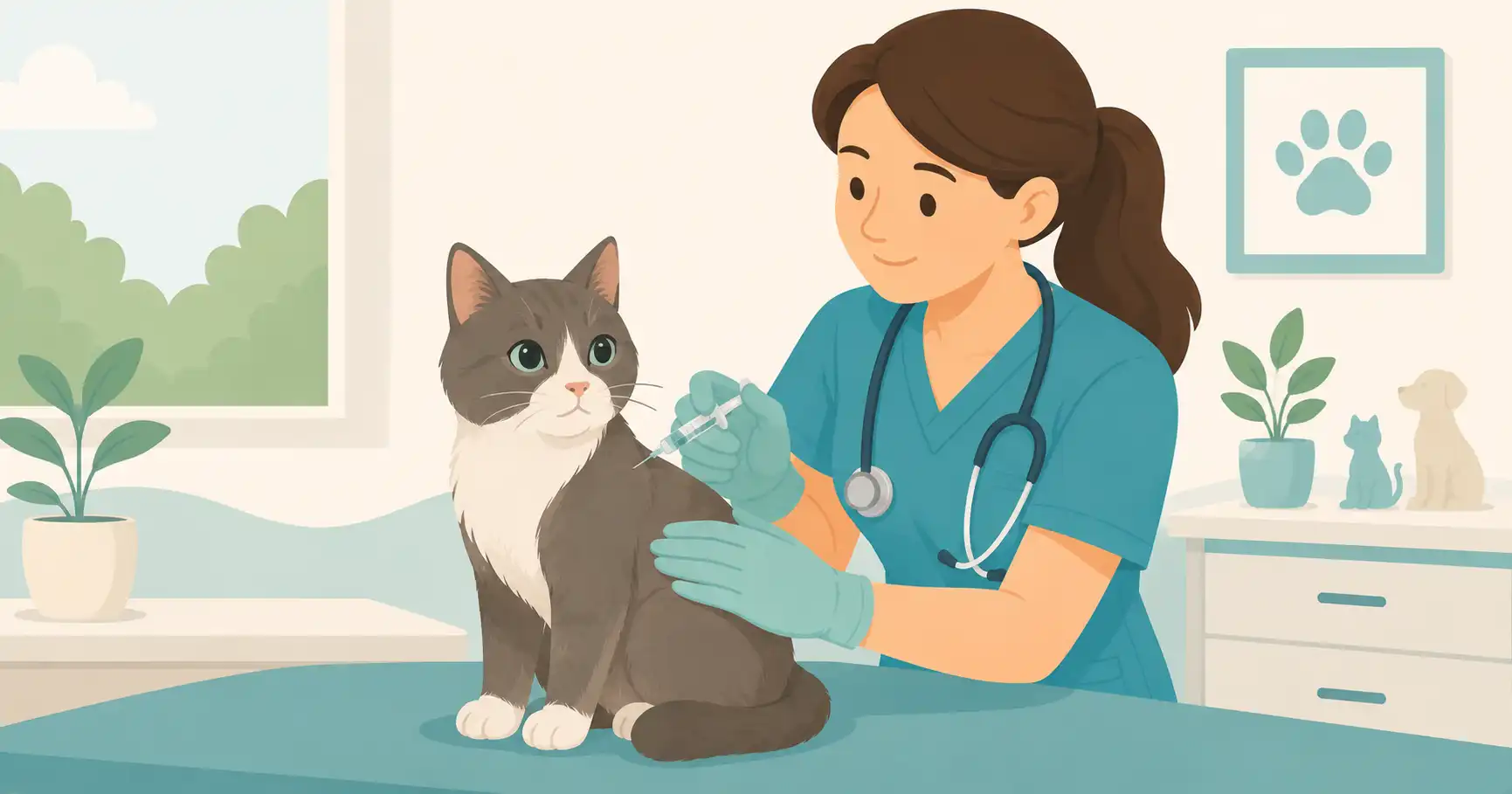
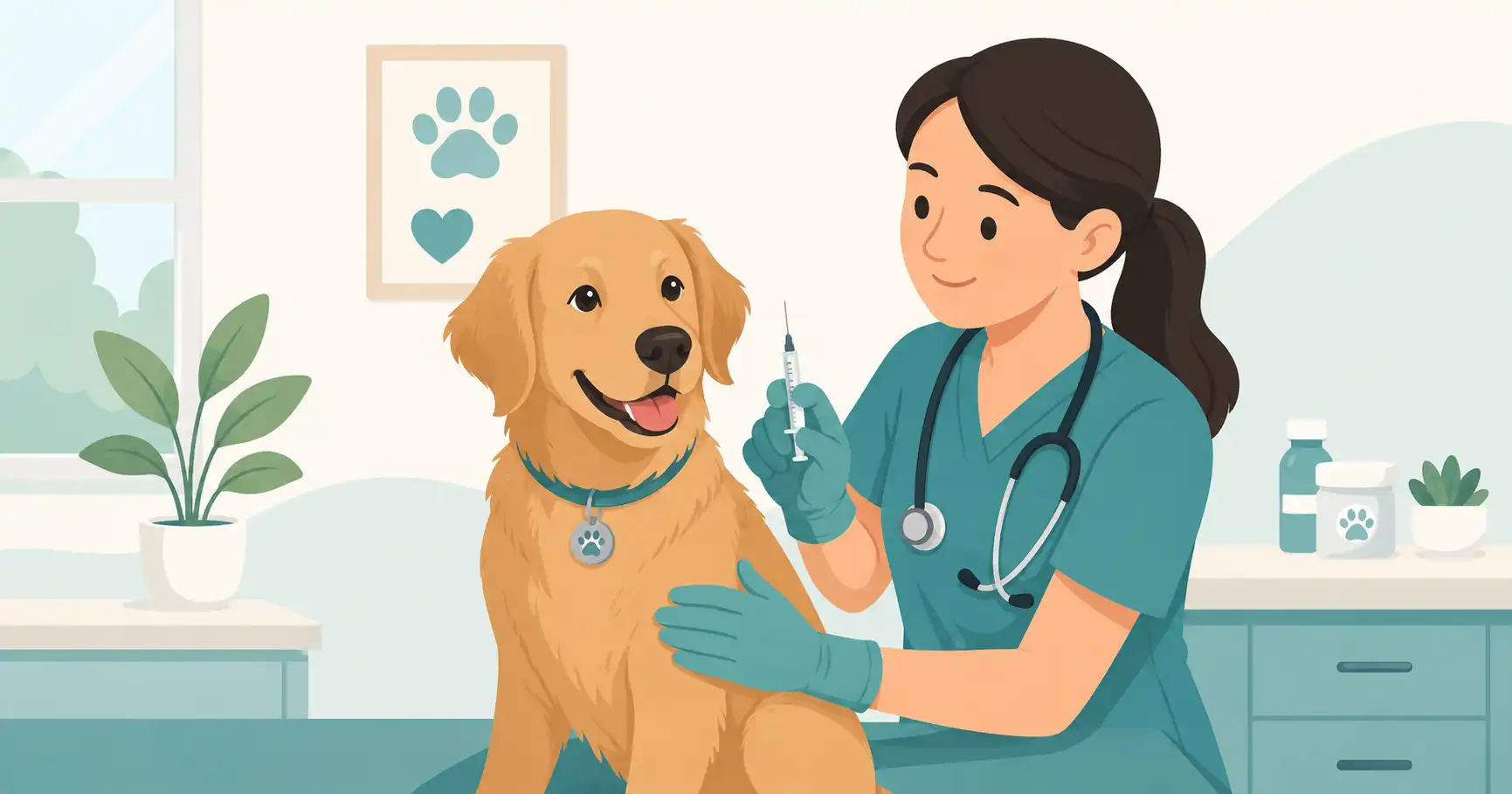
Vaccinations protect dogs from serious infectious diseases that can spread through other animals, contaminated environments, wildlife and shared public spaces.
However, not every dog needs exactly the same vaccines. A puppy attending training classes has different risks from a senior dog that rarely leaves home, while dogs visiting kennels, dog parks or wooded areas may need additional protection.
At Walker Lake Veterinary Centre, we create vaccination plans based on your dog’s age, medical history, lifestyle and exposure risk.
To review your dog’s vaccination records or book an appointment, call us at (587) 786-6771.
Core vaccines are recommended for nearly every dog because they protect against serious or potentially fatal diseases. Other vaccines are selected according to the dog’s lifestyle, travel and exposure risks.
Are Dog Vaccinations Legally Required in Edmonton?
Dog vaccinations and pet licensing are separate requirements.
As of 2026, Alberta does not generally require every privately owned dog to be vaccinated against rabies. However, the Government of Alberta strongly recommends rabies vaccination because infected wildlife, particularly bats, can expose pets and people.
The City of Edmonton requires all dogs over six months of age to have a valid pet licence. This applies even if the dog is kept mainly indoors.
Vaccination records may also be required by:
- Boarding kennels
- Dog daycare facilities
- Grooming businesses
- Puppy training classes
- Dog sports organizations
- Rescue organizations
- Airlines and border authorities
Rabies vaccination may therefore be necessary for travel or participation in certain activities even when it is not generally required by provincial law.
Core Vaccines Recommended for Dogs
Core vaccines protect against diseases that are severe, widespread or capable of affecting public health.
Distemper
Canine distemper is a contagious viral disease that can affect the respiratory, digestive and nervous systems.
Possible signs include:
- Fever
- Nasal and eye discharge
- Coughing
- Vomiting and diarrhoea
- Muscle twitching
- Seizures
- Weakness or paralysis
Distemper can be fatal, and dogs that survive may have permanent neurological damage.
Canine Parvovirus
Parvovirus is a highly contagious disease that is particularly dangerous for puppies and unvaccinated dogs.
The virus causes severe vomiting, bloody diarrhoea, dehydration and damage to the immune system. It can remain in contaminated environments for long periods and may be carried on shoes, clothing or equipment.
A puppy does not need direct contact with an infected dog to be exposed.
Canine Adenovirus
Canine adenovirus vaccination protects against infectious canine hepatitis, a disease that can damage the liver, kidneys, eyes and blood vessels.
Vaccination is commonly provided as part of a combination vaccine with distemper and parvovirus.
Rabies
Rabies affects the brain and nervous system and is almost always fatal once symptoms develop. It can also infect humans.
Dogs may be exposed through contact with infected wildlife, including bats, skunks and foxes.
Keeping your dog’s rabies vaccination current can also significantly simplify the public-health response if your dog is exposed to a potentially rabid animal.
Leptospirosis
Leptospirosis is caused by bacteria spread through the urine of infected wildlife and other animals. Dogs may be exposed through puddles, standing water, wet soil or contaminated outdoor environments.
The disease can cause severe kidney or liver damage and can also infect people.
Current canine vaccination guidance recommends discussing leptospirosis vaccination for all dogs, including urban dogs, because wildlife and rodents can bring the bacteria into residential areas.
What Is the DHPP Vaccine?
DHPP is a combination vaccine that commonly protects against:
- D: Canine distemper
- H: Canine hepatitis or adenovirus
- P: Canine parvovirus
- P: Canine parainfluenza
The exact abbreviation may vary depending on the vaccine product used. You may also see names such as DA2PP, DAPP or DHPPi in your dog’s records.
Combination vaccines reduce the number of separate injections needed during an appointment.
Dog Vaccines Based on Lifestyle
Lifestyle vaccines are recommended when a dog’s activities or environment increase the chance of exposure.
Bordetella or Kennel Cough Vaccine
Bordetella contributes to infectious respiratory disease commonly called kennel cough.
This vaccine may be recommended for dogs that visit:
- Boarding kennels
- Dog daycare
- Grooming facilities
- Dog parks
- Training classes
- Dog shows
- Multi-dog events
Many boarding and daycare facilities require proof of a current Bordetella vaccine.
Lyme Disease Vaccine
Lyme disease is transmitted through infected ticks.
Vaccination may be considered for dogs that:
- Spend time in wooded or grassy areas
- Visit cottages or rural properties
- Travel to areas with significant tick exposure
- Regularly hike or camp
- Have previously had ticks attached
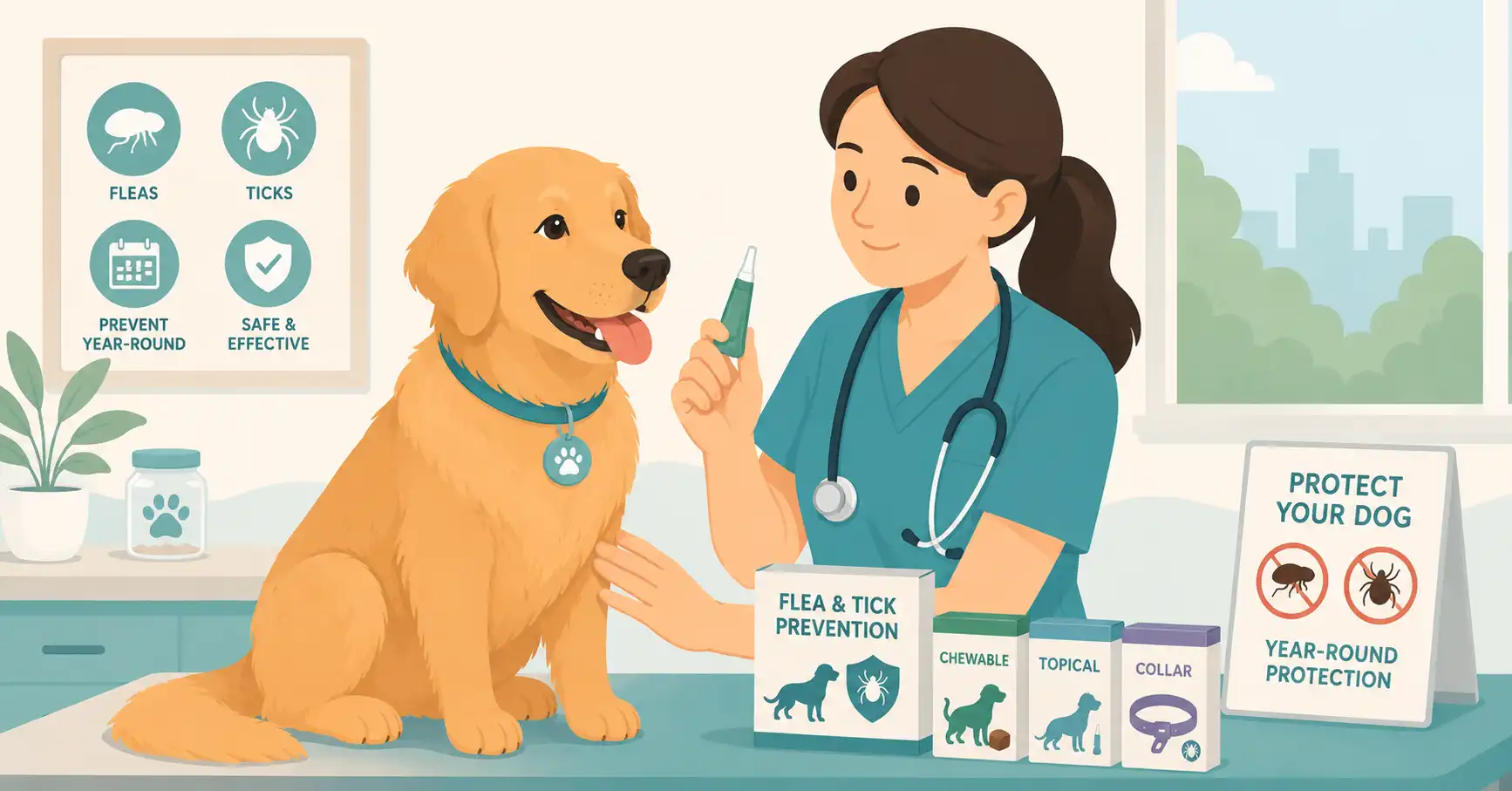
Vaccination does not replace tick prevention. Dogs still require an appropriate tick-control product and regular tick checks.
Canine Influenza Vaccine
Canine influenza vaccination may be recommended for dogs at increased risk of respiratory exposure, particularly those frequently entering kennels, daycare facilities or crowded dog environments.
The need for this vaccine depends partly on local disease activity and travel history.
Tell your veterinarian about boarding, daycare, travel, hunting, hiking, dog parks and contact with wildlife. These details help determine which lifestyle vaccines are appropriate.
Puppy Vaccination Schedule
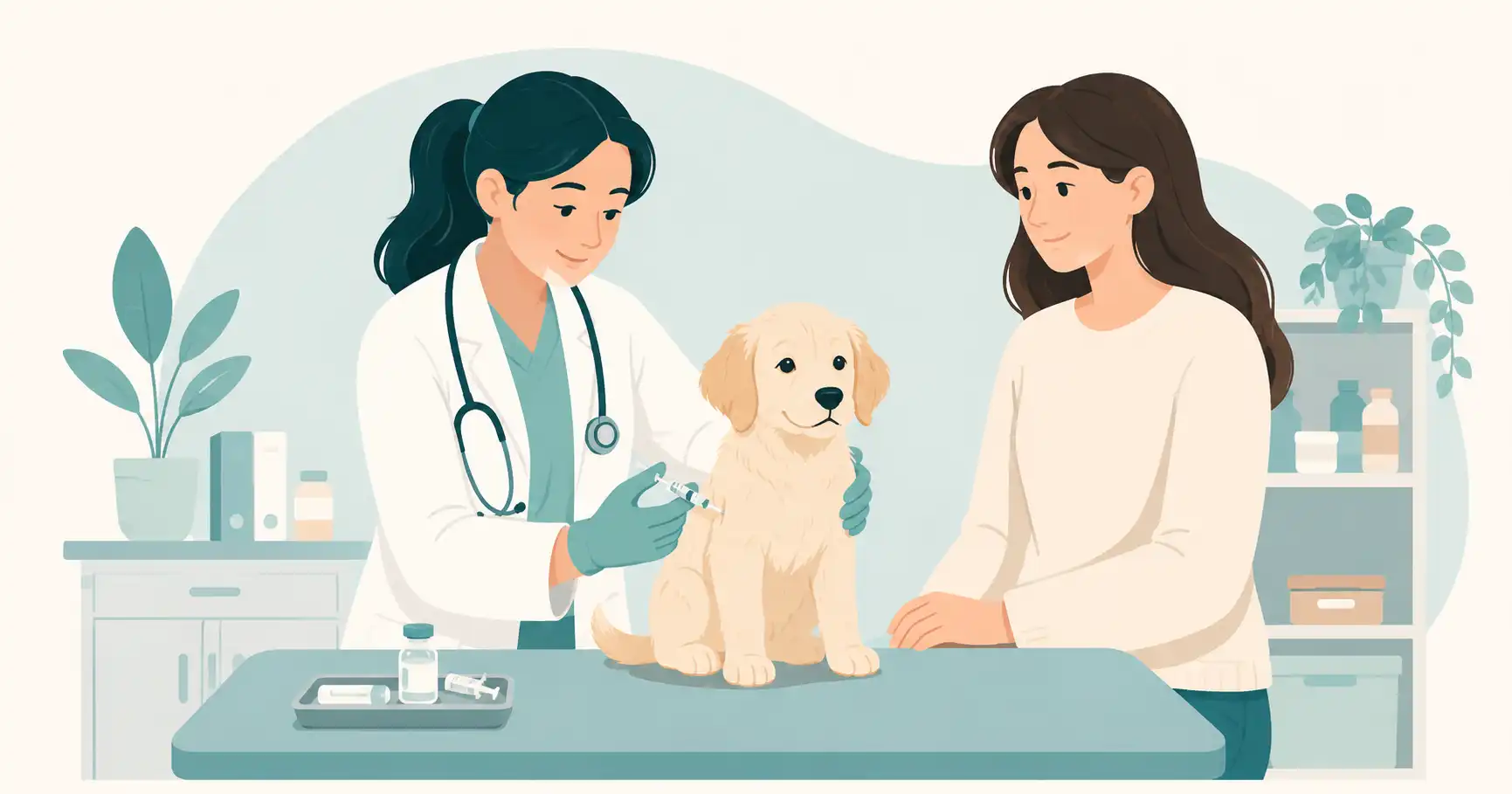
Puppies receive antibodies from their mother, but this protection gradually declines. Because maternal antibodies can interfere with early vaccines, puppies need a series rather than one injection.
A typical vaccination schedule may include:
- Six to eight weeks: First combination vaccine against distemper, adenovirus and parvovirus.
- Ten to twelve weeks: Second combination vaccine. Leptospirosis and lifestyle vaccines may begin depending on the puppy’s risk and the vaccine product.
- Fourteen to sixteen weeks: Final combination vaccine in the initial puppy series. Rabies vaccination is commonly given from approximately 12 weeks of age according to the product used.
- Within one year: Booster vaccination to strengthen and maintain protection.
The exact timing may vary according to when the series begins, previous records, health status and manufacturer instructions.
A puppy is not fully protected immediately after its first vaccine. Avoid high-risk areas with unknown or unvaccinated dogs until your veterinarian confirms that the initial vaccination series is complete.
Vaccination Schedule for Adult Dogs
Adult vaccination intervals depend on the vaccine and the dog’s history.
A common schedule includes:
- Combination distemper, adenovirus and parvovirus booster within one year of the initial series
- Subsequent core combination boosters approximately every three years
- Rabies boosters according to the licensed vaccine used
- Leptospirosis vaccination annually after the initial two-dose series
- Bordetella vaccination annually or according to facility requirements
- Lyme disease vaccination annually for dogs with ongoing exposure risk
- Canine influenza vaccination according to risk and product instructions
Your dog should still attend a wellness examination every year, even when a particular core vaccine is not due.
What If My Dog’s Vaccination History Is Unknown?
Dogs adopted from shelters, found as strays or transferred between families may arrive without reliable vaccination records.
Do not assume that the dog is protected based only on the previous owner’s recollection. Bring any available certificates, invoices or medical records to the appointment.
For most dogs with an unknown history, the benefits of establishing appropriate vaccination protection outweigh the risks of remaining unprotected.
The veterinarian will recommend a catch-up plan based on:
- The dog’s estimated age
- Current health
- Available records
- Lifestyle
- Expected exposure
- Vaccine manufacturer instructions
Are Dog Vaccines Safe?
Most dogs experience no significant problems after vaccination.
Mild effects may include:
- Temporary tiredness
- Tenderness at the injection site
- Mild reduction in appetite
- A small temporary swelling
- Mild fever
These effects usually improve within one or two days.
Serious allergic reactions are uncommon but require immediate veterinary attention.
Contact a veterinarian immediately if your dog develops facial swelling, repeated vomiting, collapse, difficulty breathing, widespread hives or severe weakness after vaccination.
Tell the veterinary team if your dog has previously reacted to a vaccine. The veterinarian may adjust the timing, separate vaccines or recommend additional observation.
Can Sick or Pregnant Dogs Be Vaccinated?
Vaccination decisions should be made individually.
Vaccination may be postponed or modified for dogs that are:
- Currently ill
- Experiencing fever or significant infection
- Receiving certain immune-suppressing medications
- Undergoing cancer treatment
- Pregnant
- Recovering from a serious condition
- Known to have experienced a previous vaccine reaction
A physical examination allows the veterinarian to determine whether vaccination should proceed or be delayed.
Preparing for Your Dog’s Vaccination Appointment
Bring the following information when possible:
- Previous vaccination certificates
- Adoption or breeder records
- Current medications
- Details of previous vaccine reactions
- Boarding or daycare requirements
- Planned travel dates
- Information about outdoor activities and wildlife exposure
Your dog’s vaccination plan should be reviewed whenever their lifestyle changes.
Keep your dog protected with a vaccination plan based on age, health and lifestyle. Book an appointment at Walker Lake Veterinary Centre by calling (587) 786-6771 or booking online. We are located at 5109 22 Avenue SW in Southwest Edmonton.
Book Dog Vaccinations at Walker Lake Veterinary Centre
Walker Lake Veterinary Centre provides puppy vaccines, adult dog boosters, rabies vaccination and lifestyle-based preventive care for families across Walker Lake, Summerside, Ellerslie, Heritage Valley and Southwest Edmonton.
During your dog’s appointment, our team will review their records, perform a health assessment and recommend only the vaccines appropriate for their individual risks.
Call (587) 786-6771 or book an appointment online.
Frequently Asked Questions
How many vaccines does a puppy need?
Most puppies receive combination vaccines every two to four weeks beginning at approximately six to eight weeks and continuing until at least 16 weeks. Other vaccines are added according to risk.
Does my indoor dog still need vaccines?
Yes. Dogs can encounter infectious diseases through visitors, wildlife, shared environments, travel or contaminated objects. Core vaccination remains important even for dogs that spend most of their time indoors.
Is rabies vaccination mandatory in Edmonton?
Alberta does not generally mandate rabies vaccination for every privately owned dog, but it is strongly recommended. Boarding facilities, travel authorities and other organizations may require proof of vaccination.
Can my dog receive several vaccines at once?
Many healthy dogs can safely receive more than one vaccine during the same appointment. The veterinarian may separate vaccines for dogs with medical concerns or a history of reactions.
What happens if my dog misses a booster?
Contact your veterinarian rather than restarting vaccines yourself. The catch-up schedule depends on the vaccine, how overdue it is and your dog’s previous vaccination history.
Does vaccination replace an annual wellness examination?
No. A wellness examination assesses weight, teeth, skin, heart, joints and other health concerns that vaccination alone cannot evaluate.