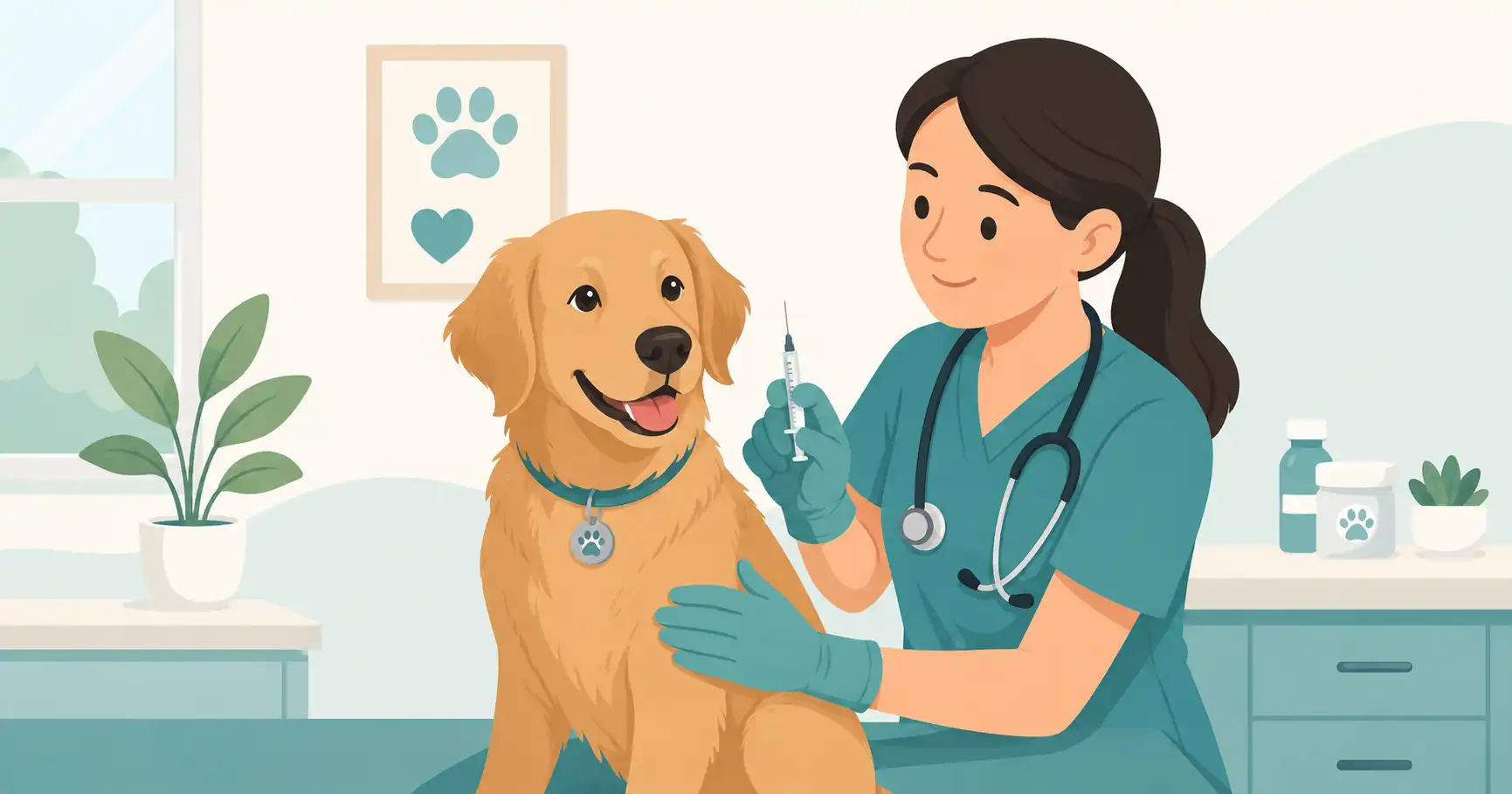
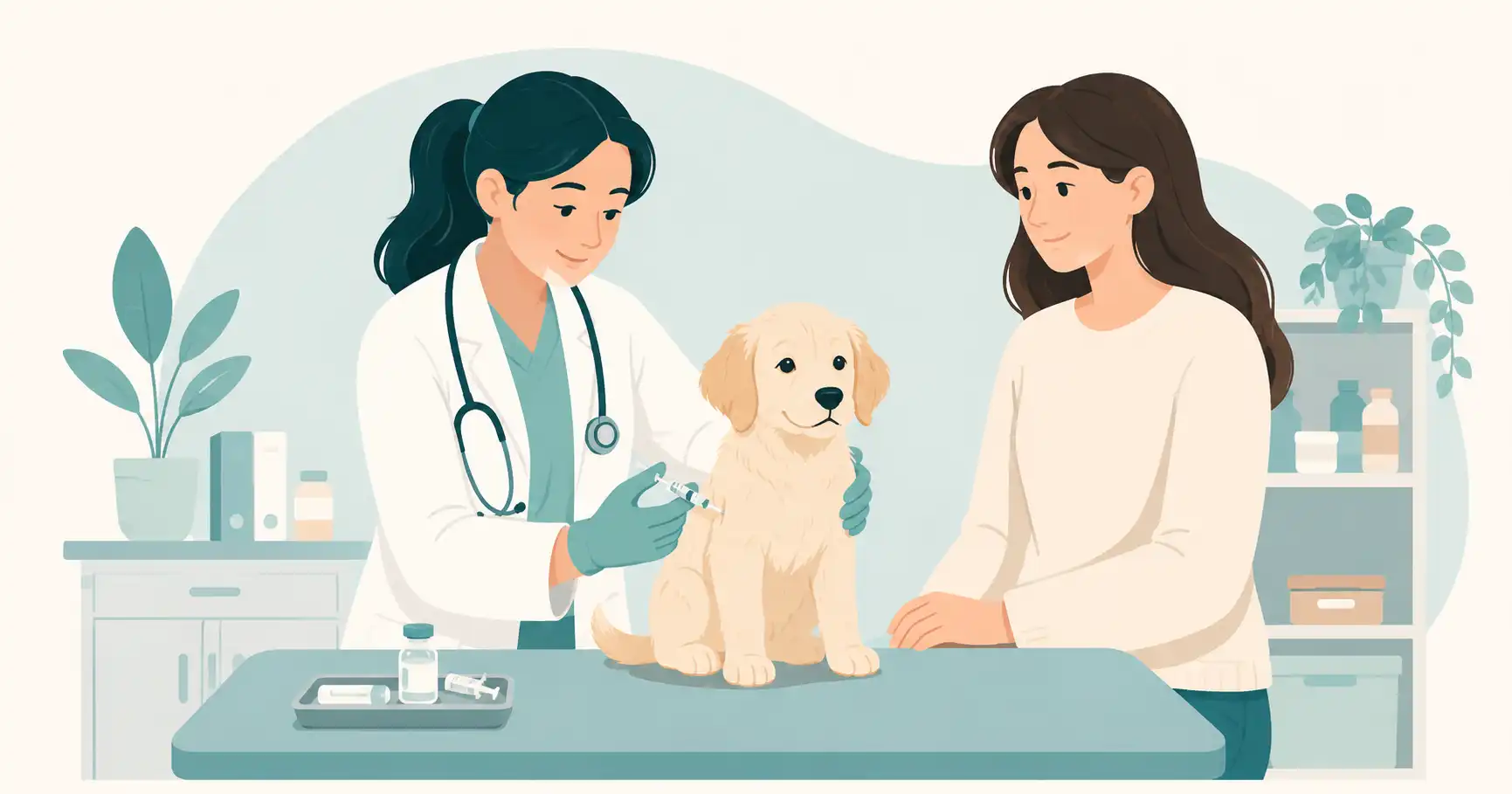
Bringing home a new puppy means vaccinations quickly become an important part of their early veterinary care. Puppies are particularly vulnerable to infectious diseases because their immune systems are still developing.
A typical puppy vaccination schedule begins at around 6 to 8 weeks of age and continues with boosters every few weeks until at least 16 weeks.
At Walker Lake Veterinary Centre, we create vaccination schedules based on your puppy’s age, health, previous vaccines and lifestyle.
If you have a new puppy in Edmonton, call us at (587) 786-6771 to book their first veterinary appointment.
Puppies need several vaccine appointments rather than one vaccination. Antibodies received from their mother can interfere with early vaccines, which is why boosters are given until the puppy is at least 16 weeks old.
Puppy Vaccination Schedule by Age
The exact timing may vary slightly depending on when your puppy receives their first vaccine and their previous medical history.
A typical schedule looks like this:
6–8 Weeks
Your puppy can usually receive their first core combination vaccine.
This commonly protects against:
- Canine distemper
- Canine adenovirus
- Canine parvovirus
- Parainfluenza, depending on the vaccine used
This combination may appear on your puppy’s records as DHPP, DAPP or DA2PP.
10–12 Weeks
Your puppy receives another dose of the core combination vaccine.
At this stage, your veterinarian may also begin other recommended vaccines depending on your puppy’s age and exposure risk.
These may include:
- Leptospirosis
- Bordetella
- Lyme disease vaccine
- Other lifestyle-based vaccines
14–16 Weeks
Another core combination booster is given to strengthen protection against distemper, adenovirus and parvovirus.
Rabies vaccination may also be given according to your puppy’s age, previous vaccination history and the vaccine product being used.
Around 6–12 Months
Your puppy will require follow-up boosters after completing the initial puppy series.
After this stage, the vaccination schedule transitions into an adult dog vaccination plan.
Why Do Puppies Need Multiple Vaccines?
Newborn puppies receive antibodies from their mother. These antibodies provide temporary protection during the first weeks of life.
However, they gradually decline.
The challenge is that maternal antibodies can also prevent a vaccine from producing a strong immune response. Veterinarians therefore cannot know exactly when an individual puppy becomes fully responsive to vaccination.
Giving several doses over the first few months helps ensure the puppy develops reliable protection as maternal immunity disappears.
One puppy vaccine does not provide complete protection. Continue the recommended vaccination series even if your puppy appears healthy.
What Vaccines Does a Puppy Need?
Distemper
Canine distemper is a serious viral disease that can affect the respiratory, digestive and nervous systems.
It can cause:
- Fever
- Coughing
- Nasal or eye discharge
- Vomiting and diarrhoea
- Weakness
- Muscle twitching
- Seizures
Vaccination against distemper is considered essential for puppies.
Parvovirus
Parvovirus is particularly dangerous for young, unvaccinated puppies.
It can cause severe:
- Vomiting
- Bloody diarrhoea
- Dehydration
- Loss of appetite
- Weakness
Parvovirus can survive in contaminated environments, so puppies can be exposed without directly meeting an infected dog.
Canine Adenovirus
Vaccination against canine adenovirus protects against infectious canine hepatitis.
The disease can affect the liver and other organs and can become severe in unvaccinated dogs.
Leptospirosis
Leptospirosis is a bacterial infection that can damage the kidneys and liver.
Dogs may be exposed through water or soil contaminated by the urine of infected animals, including wildlife and rodents.
Because exposure can occur even in urban environments, leptospirosis vaccination is now considered a core vaccination for dogs.
Rabies
Rabies is a fatal disease affecting the nervous system and can also infect humans.
Dogs can be exposed through contact with infected wildlife, including bats.
Your veterinarian will advise you when your puppy should receive their rabies vaccine and when boosters are required.
Lifestyle Vaccines for Puppies
Some vaccines depend more heavily on your puppy’s lifestyle and exposure risk.
Bordetella
The Bordetella vaccine helps protect against one of the organisms associated with kennel cough.
It may be particularly useful for puppies that will attend:
- Puppy classes
- Boarding kennels
- Dog daycare
- Grooming facilities
- Dog parks
- Multi-dog activities
Some facilities require proof of vaccination before allowing dogs to attend.
Lyme Disease
Lyme disease is spread by infected ticks.
Vaccination may be considered for puppies that regularly spend time in:
- Wooded areas
- Tall grass
- Rural properties
- Hiking areas
- Locations with significant tick exposure
Vaccination should be combined with appropriate tick prevention.
When Can My Puppy Go Outside?
This is one of the most common questions new puppy owners ask.
Puppies need socialization, but they also need protection from infectious diseases while their vaccination series is incomplete.
Before your veterinarian confirms that your puppy has adequate protection, avoid high-risk environments such as:
- Busy dog parks
- Areas heavily used by unknown dogs
- Shared water bowls
- Contact with sick or unvaccinated dogs
- Areas known to have had parvovirus contamination
This does not mean your puppy needs to remain completely isolated.
Safe socialization can include meeting healthy, fully vaccinated dogs you know, experiencing new sounds and environments safely, car rides, handling exercises and veterinarian-approved puppy classes.
What If My Puppy Misses a Vaccine?
Do not panic if a vaccination appointment is missed.
Contact your veterinarian and explain:
- Your puppy’s age
- Which vaccines they have already received
- When the last vaccine was given
The veterinary team can determine the appropriate catch-up schedule.
Do not assume that the entire vaccination series needs to be restarted.
Are Puppy Vaccines Safe?
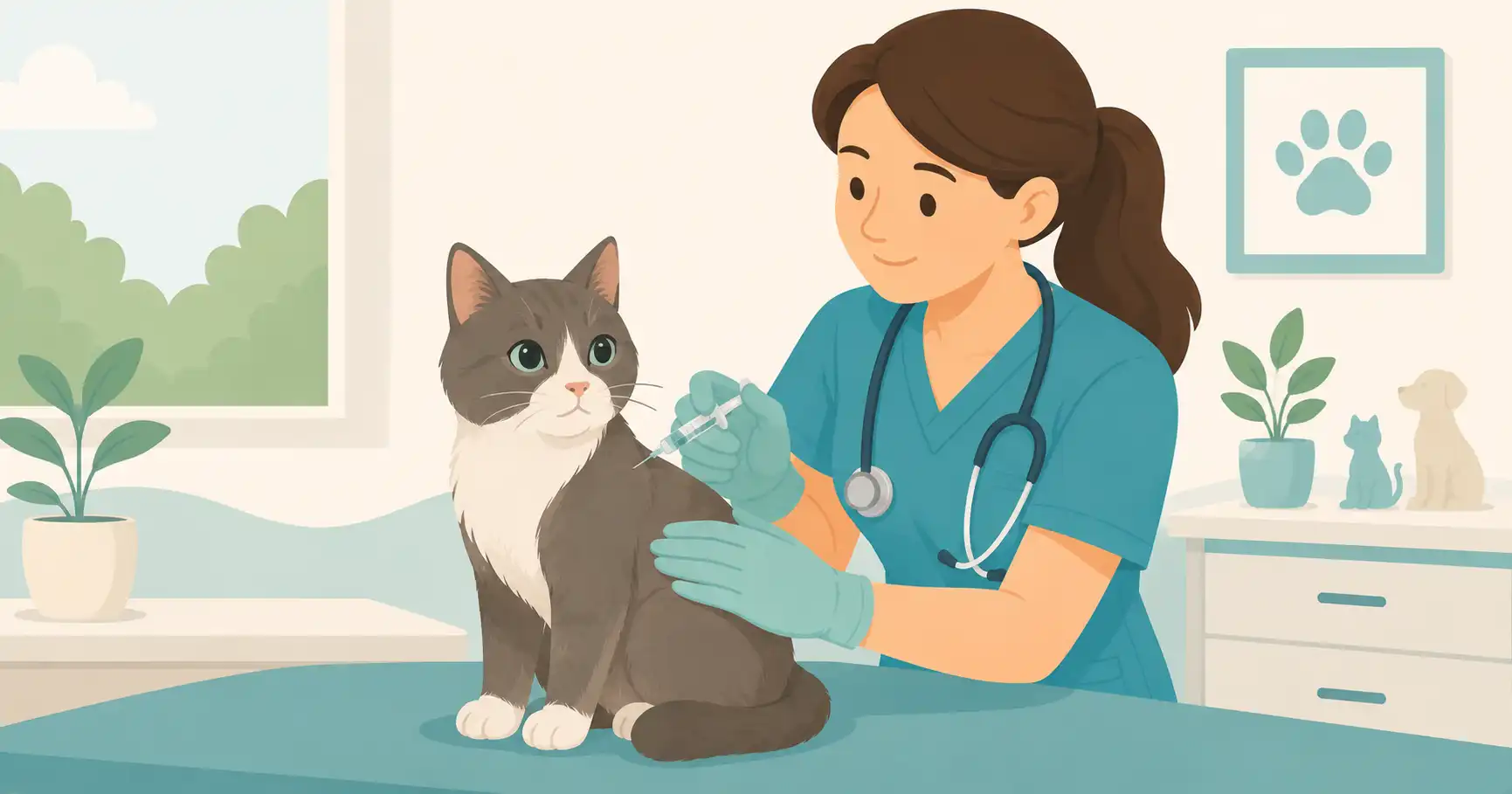
Most puppies tolerate vaccinations very well.
Temporary side effects may include:
- Sleepiness
- Mild soreness at the injection site
- Reduced appetite
- Mild fever
- Temporary swelling
These usually improve within a day or two.
Serious reactions are uncommon.
Seek veterinary attention if your puppy develops difficulty breathing, facial swelling, repeated vomiting, collapse, severe weakness or widespread hives after vaccination.
What to Bring to Your Puppy’s First Vaccination Appointment
If available, bring:
- Breeder or rescue vaccination records
- Previous veterinary records
- Deworming information
- Current medications
- Details about your puppy’s diet
- Any health concerns you have noticed
This helps the veterinarian determine exactly which vaccinations are due rather than giving unnecessary repeat doses.
Vaccinations Are Only Part of Your Puppy’s First Vet Visits
Early puppy appointments are also important opportunities to discuss preventive care.
Your veterinarian may review:
- Growth and body condition
- Nutrition
- Deworming
- Flea and tick prevention
- Heartworm prevention
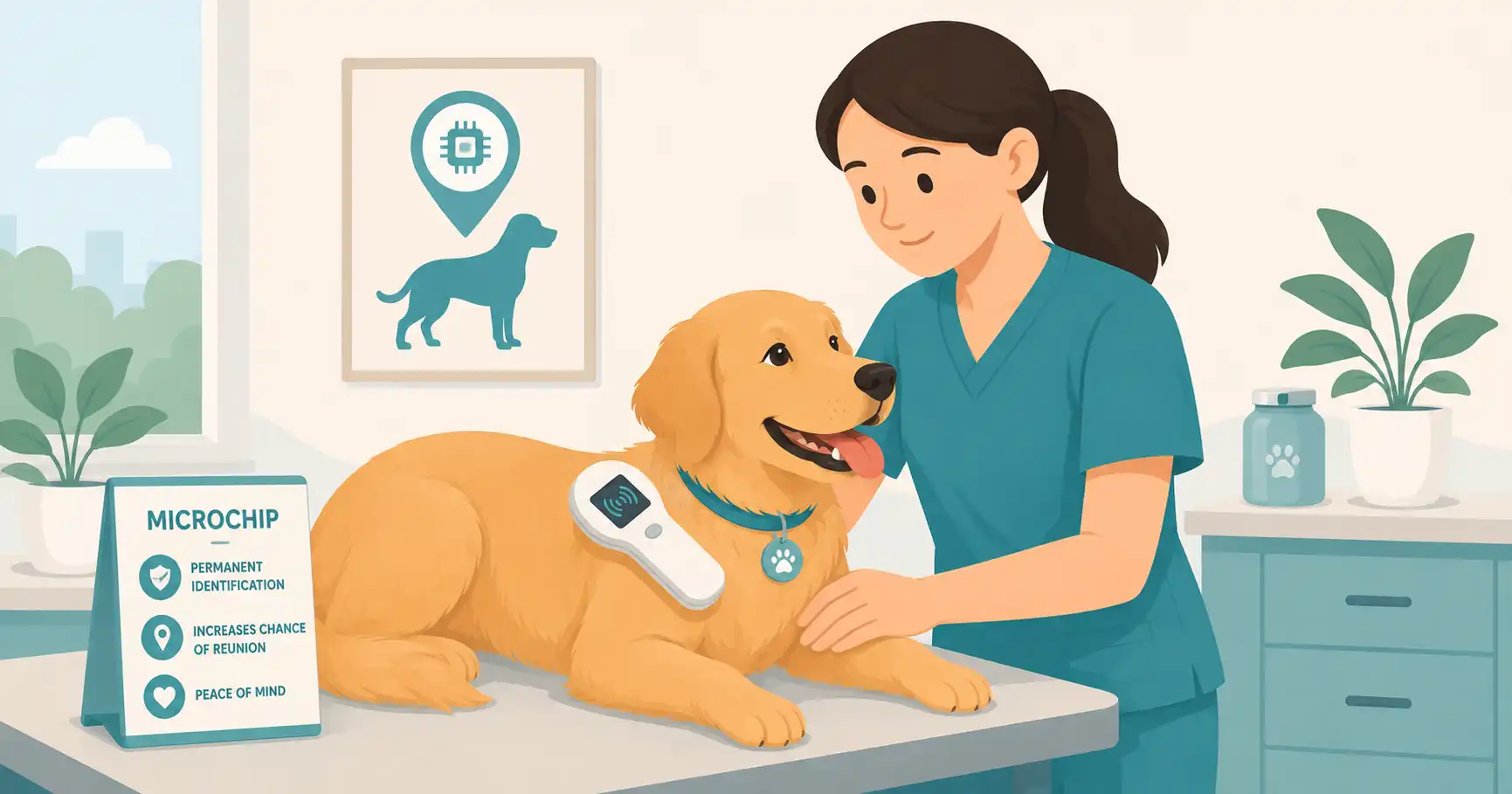
- Microchipping
- Dental development
- Behaviour and socialization
- Spaying or neutering
- Any breed-specific health concerns
Regular veterinary visits during puppyhood help establish a healthy foundation for adult life.
Have a new puppy? Walker Lake Veterinary Centre can create a vaccination and preventive-care schedule based on your puppy’s age, health and lifestyle. Call (587) 786-6771 or book online. We are located at 5109 22 Avenue SW in Southwest Edmonton.
Book Puppy Vaccinations in Edmonton
Walker Lake Veterinary Centre provides puppy vaccinations, wellness examinations and preventive care for families throughout Walker Lake, Summerside, Ellerslie, Heritage Valley and Southwest Edmonton.
Bring any vaccination records you received from your breeder, rescue or previous veterinarian, and our team will determine what your puppy needs next.
Call us at (587) 786-6771 or book an appointment online.
Frequently Asked Questions
When should a puppy get its first vaccination?
Most puppies begin their core vaccination series at approximately 6 to 8 weeks of age.
How many vaccination appointments does a puppy need?
Most puppies need several appointments, with core vaccines repeated every few weeks until at least 16 weeks of age.
Can my puppy go outside after the second vaccine?
Some activities may be appropriate, but protection may still be incomplete. Ask your veterinarian which environments are safe based on your puppy’s age and vaccination history.
Does my puppy need Bordetella?
It may be recommended if your puppy attends daycare, boarding, grooming, puppy classes or regularly mixes with other dogs.
What if I do not have my puppy’s vaccination records?
Book an appointment and provide whatever information you have. Your veterinarian can establish an appropriate vaccination schedule based on your puppy’s age and history.