Losing a pet is one of the most stressful experiences an owner can face. Collars and identification tags are important, but they can fall off, become damaged or be removed. A microchip provides your dog or cat with a permanent form of identification that stays with them throughout their life.
Pet microchipping is a quick procedure that places a tiny identification chip beneath your pet’s skin. If your pet becomes lost and is brought to a veterinary clinic or animal shelter, the chip can be scanned and used to help identify and contact you.
If you would like to discuss microchipping your dog or cat, contact Walker Lake Veterinary Centre at (587) 786-6771.
A microchip is not a GPS tracker and cannot show your pet’s live location. It stores a unique identification number that can be connected to your contact information through a microchip registry.
What Is a Pet Microchip?
A pet microchip is a small electronic identification device approximately the size of a grain of rice.
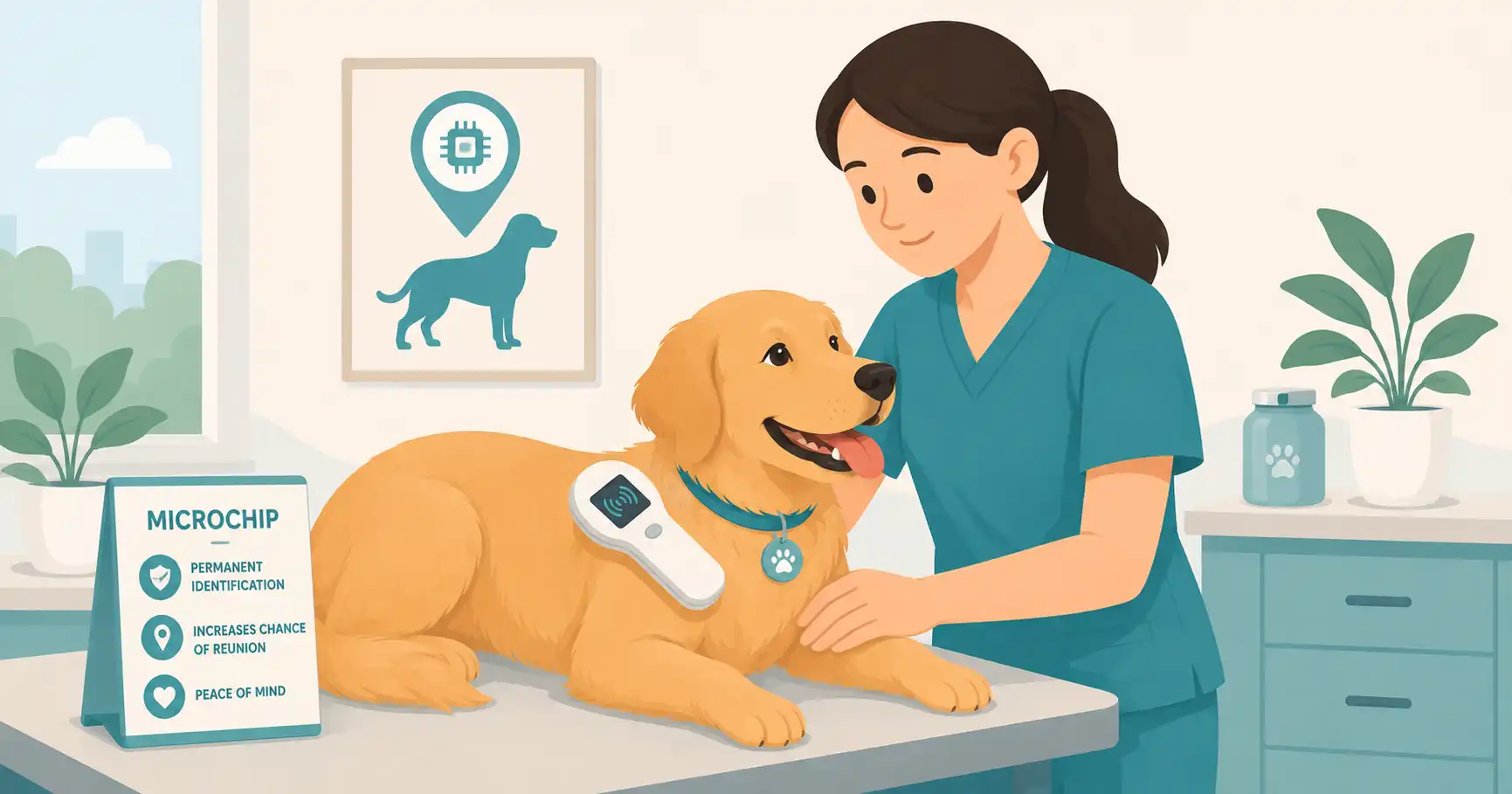
Each chip contains a unique identification number. When a microchip scanner passes over the chip, the number appears on the scanner.
A veterinary clinic, shelter or animal-control organization can then use the number to identify the appropriate registry and locate the owner’s registered contact information.
Microchips provide permanent identification because they remain beneath the pet’s skin rather than being attached to a collar.
Why Should You Microchip Your Pet?
Microchipping provides an additional layer of identification if your dog or cat becomes lost.
Benefits include:
- Permanent identification that cannot easily fall off
- Increased ability to identify a lost pet
- A unique identification number linked to ownership records
- Identification even when a collar or tag is missing
- Useful identification during emergencies or evacuations
- Additional documentation when travelling with pets
Microchips are especially valuable for indoor cats because owners often assume an indoor pet cannot become lost. An open door, damaged window or emergency can quickly change that.
Does a Microchip Replace a Collar and ID Tag?
No.
The best approach is to use both a microchip and visible identification.
A collar with an ID tag allows someone who finds your pet to contact you immediately without needing a scanner.
A microchip acts as permanent backup identification if the collar is lost or removed.
Use multiple forms of identification whenever possible: a registered microchip, current ID tag and valid City of Edmonton pet licence.
How Is a Pet Microchip Inserted?
Microchipping is a simple procedure.
The process generally involves:
- The veterinary team scans your pet first to make sure another microchip is not already present.
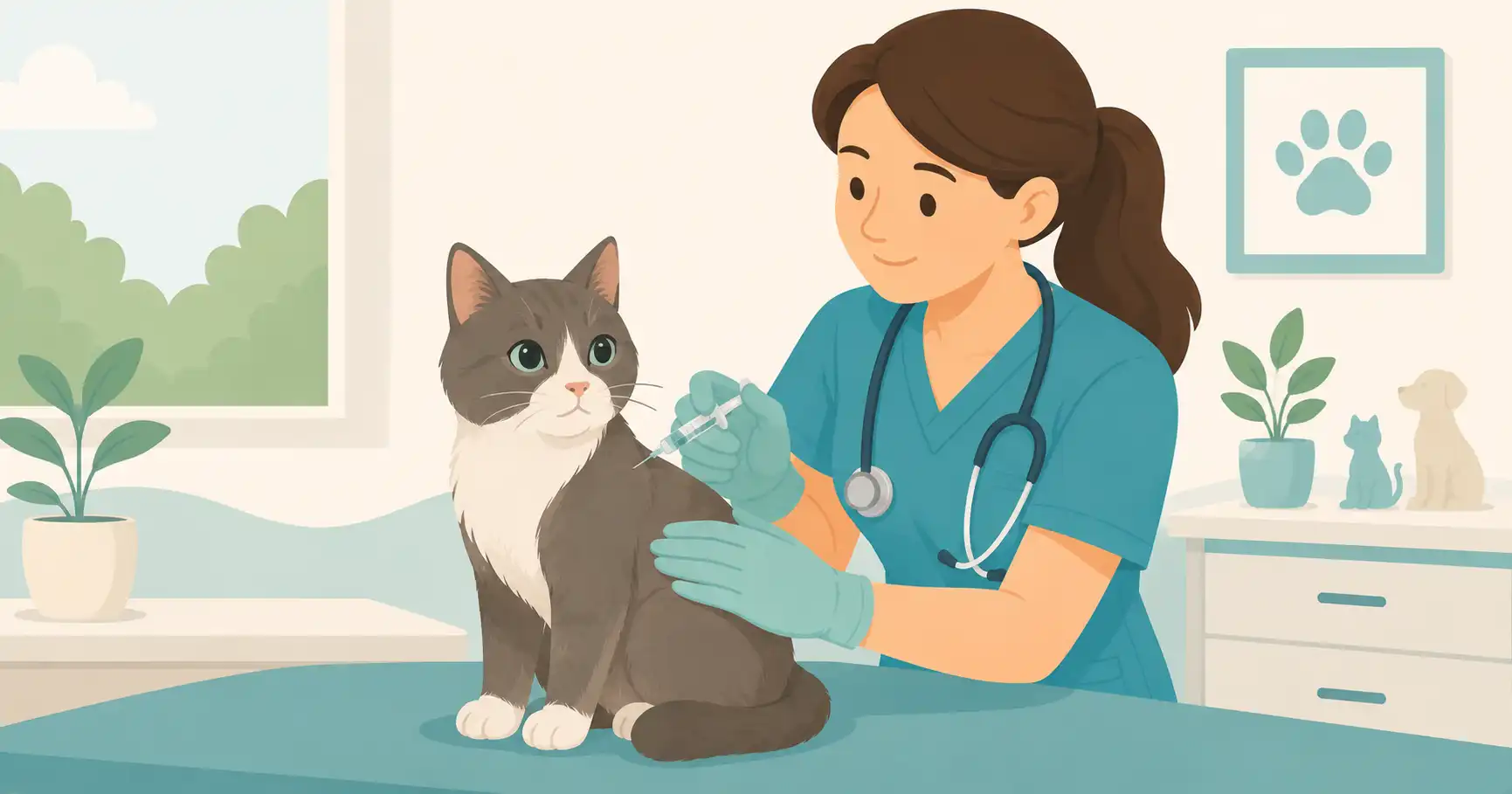
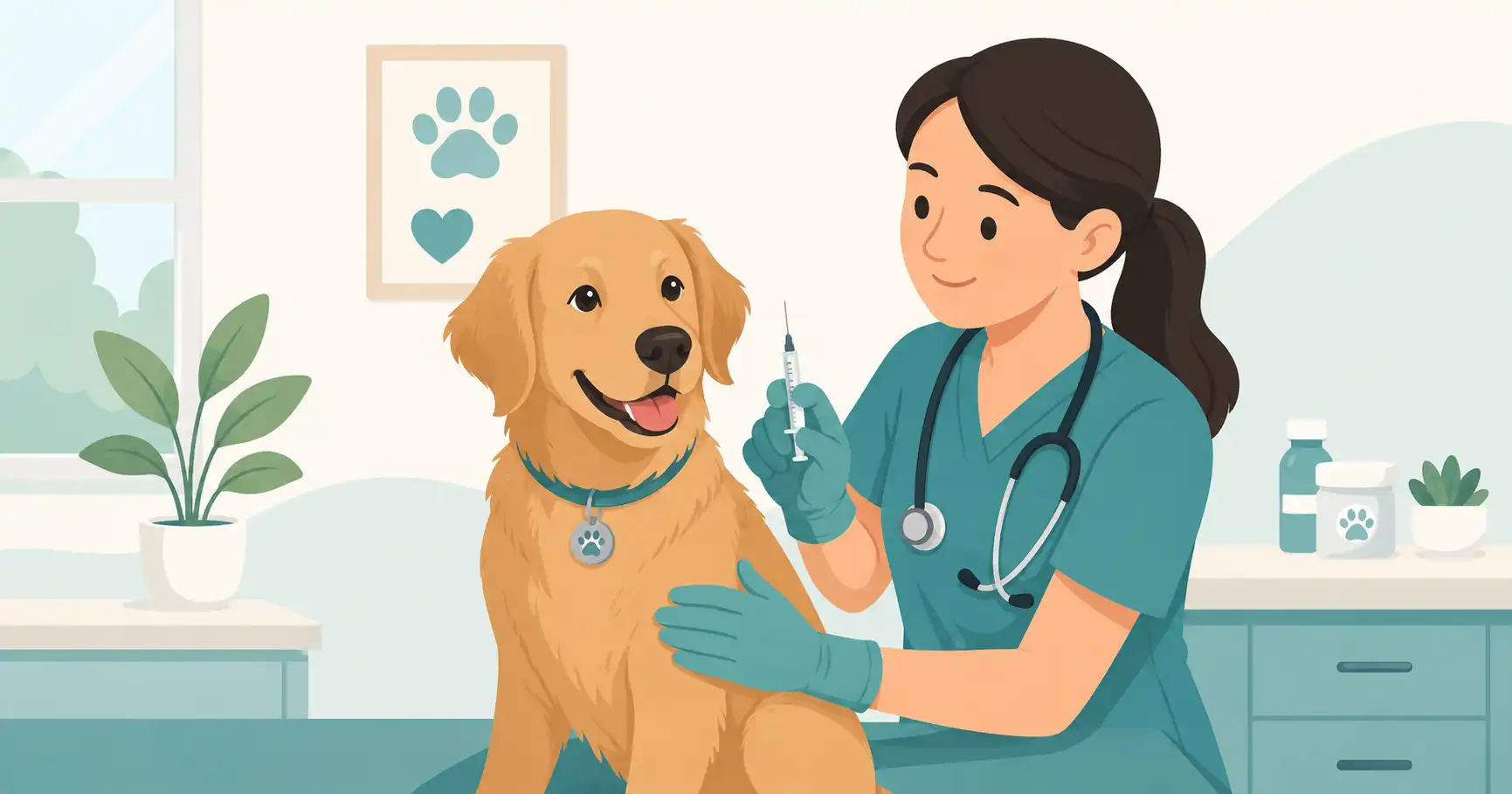
- The microchip is placed beneath the skin using a specialized needle.
- The area is scanned again to confirm that the chip can be detected.
- The microchip number is recorded.
- Your contact information is registered or you are given instructions for completing the registration.
Microchips are commonly implanted beneath the skin around the shoulder area.
The procedure takes only a few seconds and usually does not require sedation or general anesthesia.
Does Microchipping Hurt?
Most pets tolerate microchip implantation very well.
The needle is slightly larger than the needle used for a routine vaccination, so your pet may experience brief discomfort during insertion.
Most dogs and cats return to normal activity immediately afterward.
Microchips can also be placed while a pet is already under anesthesia for another procedure, such as spaying or neutering.
Is Pet Microchipping Safe?
Microchips are generally considered a safe form of permanent identification for dogs and cats.
Complications are uncommon. Occasionally, the chip may move slightly from its original location beneath the skin, which is why veterinary clinics scan a wider area when checking for a microchip.
Your veterinarian can check the chip during routine wellness appointments to confirm that it can still be detected.
Registering Your Pet’s Microchip Is Essential
Implanting a microchip is only the first step.
The chip’s identification number must be linked to current owner information in a microchip registry.
Registration information usually includes:
- Owner’s name
- Phone number
- Email address
- Home address
- Emergency contact
- Pet information
If your phone number, address or email changes, update the microchip registry immediately.
An unregistered chip—or one containing outdated contact information—makes it much harder to reunite a lost pet with its owner.
What Happens If My Microchipped Pet Gets Lost?
If someone finds your pet and takes them to a veterinary clinic, shelter or animal-control facility, staff can scan the animal for a microchip.
If a chip is detected:
- The identification number is obtained.
- The registry associated with the microchip is identified.
- The registered owner information is retrieved.
- The owner can be contacted.
The microchip itself does not contain your full personal information. It primarily provides the identification number used to connect the pet with their registration record.
Microchipping and Pet Licensing in Edmonton
Microchipping does not replace your City of Edmonton pet licence.
Under Edmonton’s current Animal Care and Control Bylaw, dogs and cats over six months of age must have a valid City pet licence. The City also currently operates a microchip program connected with pet licensing.
Keeping your licence, microchip registration and visible ID information current provides several ways for your pet to be identified if they become lost.
Should Indoor Cats Be Microchipped?
Yes.
Indoor cats are often especially difficult to recover when they become lost because they may be frightened and hide in unfamiliar surroundings.
Cats can escape through:
- Open doors
- Windows
- Damaged screens
- Moving boxes and entrances
- Carriers during transportation
- Emergency evacuations
A microchip provides permanent identification even if the cat was not wearing a collar when they escaped.
When Should You Microchip a Puppy or Kitten?
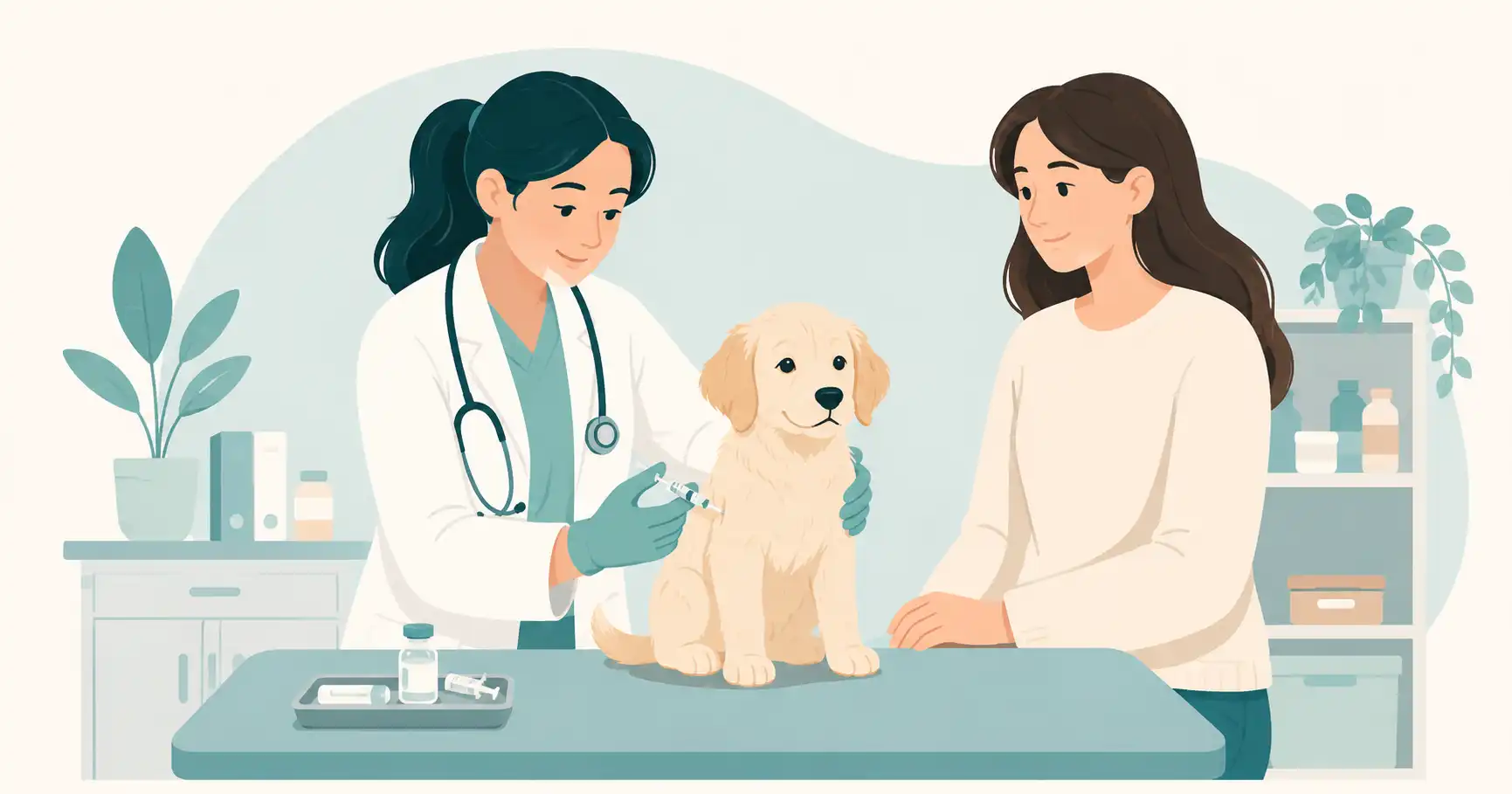
Microchipping can usually be performed during a routine veterinary visit once your veterinarian determines it is appropriate.
Common opportunities include:
- Puppy or kitten wellness appointments
- Vaccination visits
- Spay or neuter procedures
- Annual wellness examinations
- Before travelling
- After adopting a new pet
There is no need to wait until your pet begins spending significant time outdoors.
What If My Pet Is Already Microchipped?
If you adopted your pet from a rescue, shelter or previous owner, ask your veterinarian to scan them.
If a chip is found:
- Record the microchip number
- Determine which registry holds the information
- Transfer ownership if necessary
- Update your phone number and address
- Add an emergency contact where possible
Do not assume the previous owner or organization has already updated everything.
A microchip only works effectively when the registration information is current. Update your pet’s microchip records whenever you move or change your phone number or email address.
Microchip Your Pet Before You Need It
The best time to microchip your pet is before they become lost.
Microchipping takes only a few moments but provides permanent identification throughout your pet’s life. Combined with an ID tag and current pet licence, it gives shelters, veterinary clinics and animal-control teams more ways to help reunite you with your dog or cat.
Want to discuss microchipping or other preventive care for your pet? Contact Walker Lake Veterinary Centre at (587) 786-6771 or book an appointment online. We are located at 5109 22 Avenue SW in Southwest Edmonton.
Pet Microchipping at Walker Lake Veterinary Centre
Walker Lake Veterinary Centre provides preventive veterinary care for dogs and cats across Walker Lake, Summerside, Ellerslie, Heritage Valley and surrounding Southwest Edmonton communities.
If you have recently adopted a pet, moved to Edmonton or simply want an additional form of permanent identification, ask our veterinary team about microchipping at your next appointment.
Call (587) 786-6771 or book online.
Frequently Asked Questions
Can a microchip track my pet with GPS?
No. Standard pet microchips do not provide GPS tracking. They provide a unique identification number that can be scanned and linked to registration information.
Does a microchip need batteries?
No. Standard pet microchips do not require batteries or charging.
Does my pet still need an ID tag?
Yes. A visible ID tag can help someone contact you immediately, while the microchip provides permanent backup identification.
Do microchips need to be replaced?
Microchips are designed to provide long-term identification. Your veterinarian can periodically scan the chip during wellness visits to confirm that it is working and detectable.
What if I move or change my phone number?
Update your contact details with the microchip registry. Keeping the registration current is one of the most important parts of effective microchipping.