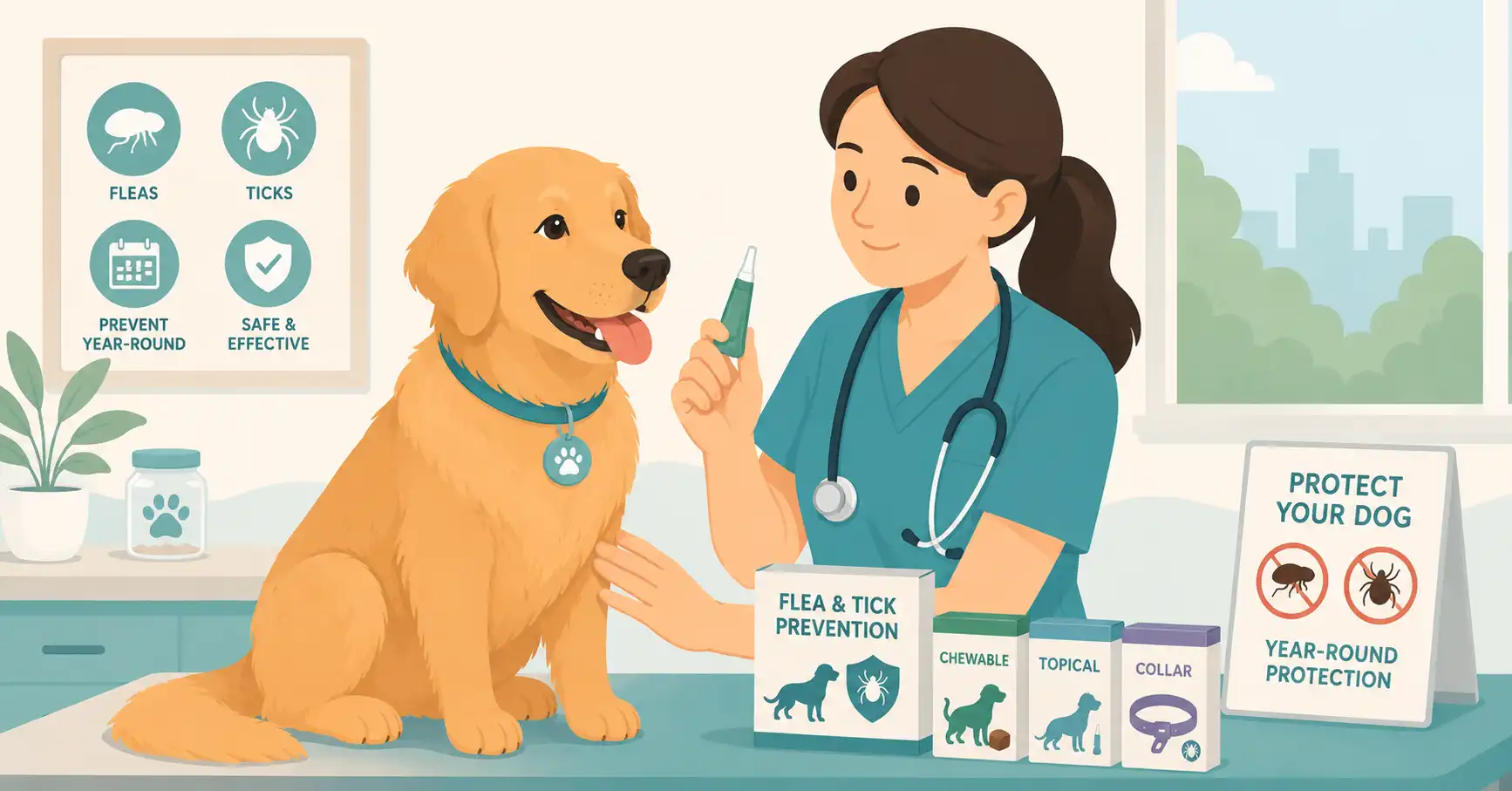

Heartworm disease is a serious condition caused by parasitic worms that can live in a dog’s heart, lungs and surrounding blood vessels. It is transmitted through the bite of an infected mosquito.
Although Alberta’s colder climate affects mosquito activity, dogs can still be exposed during warmer months or while travelling to areas where heartworm is more common. Prevention is much easier and safer than treating an established infection.
At Walker Lake Veterinary Centre, we can assess your dog’s risk and recommend an appropriate heartworm prevention plan. Call us at (587) 786-6771 to book an appointment.
Dogs can have heartworm for months before showing obvious symptoms. Preventive medication and appropriate testing help protect dogs before serious heart or lung damage develops.
What Is Heartworm Disease?
Heartworm disease is caused by a parasite called Dirofilaria immitis.
Adult heartworms primarily live in the blood vessels of the lungs and can eventually affect the heart. A severe infection can interfere with normal blood flow and cause serious heart and lung disease.
Dogs are particularly susceptible because heartworms can mature and reproduce inside their bodies.
How Do Dogs Get Heartworm?
Heartworm is transmitted by mosquitoes.
The basic cycle is:
- A mosquito bites an infected animal and picks up microscopic heartworm larvae.
- The larvae develop inside the mosquito.
- The infected mosquito bites another dog.
- Heartworm larvae enter the dog through the bite wound.
- Over several months, the larvae mature and migrate to blood vessels around the heart and lungs.
Heartworm does not spread directly from one dog to another. A mosquito is required for transmission.
Is Heartworm a Risk in Alberta?
Heartworm risk varies by location, climate and mosquito activity.
Dogs may have increased exposure if they:
- Spend significant time outdoors
- Camp or hike during mosquito season
- Visit rural or wet areas with high mosquito activity
- Travel outside Alberta
- Spend winters or holidays in warmer regions
- Were adopted or transported from an area where heartworm is common
Travel history is particularly important. If you are taking your dog to another province, the United States or another country, tell your veterinarian before travelling.
Signs of Heartworm in Dogs
Dogs with early heartworm infections may show no obvious symptoms.
As the disease progresses, signs can include:
- Persistent coughing
- Tiring easily during exercise
- Reduced interest in activity
- Difficulty breathing
- Loss of appetite
- Weight loss
- Weakness
Severe heartworm disease can eventually cause heart failure and fluid accumulation in the abdomen.
Do not wait for symptoms before considering heartworm prevention. Dogs may appear completely healthy during the early stages of infection.
How Heartworm Prevention Works
Heartworm preventives kill immature stages of the parasite before they develop into adult worms.
Depending on the medication, heartworm prevention may be available as:
- Oral tablets or chews
- Topical medications
- Longer-acting veterinary-administered products
Some products also protect against additional parasites such as:
- Fleas
- Ticks
- Roundworms
- Hookworms
- Other intestinal parasites
The right product depends on your dog’s age, weight, health and lifestyle.
When Should Dogs Take Heartworm Prevention in Alberta?
Your veterinarian can recommend the most appropriate schedule based on your dog’s individual risk.
Factors considered include:
- Local mosquito exposure
- Travel plans
- Outdoor activity
- Previous heartworm prevention
- Your dog’s health
- Other parasites requiring prevention
Current parasite-control guidelines generally favour consistent prevention because mosquito seasons and travel patterns can vary.
Dogs travelling to heartworm-endemic areas may require prevention before, during and after the trip.
Tell your veterinarian about upcoming travel before you leave Alberta. Heartworm prevention may need to begin before your trip rather than after you return.
Does My Dog Need a Heartworm Test?
Heartworm testing may be recommended before starting or restarting certain preventive programs and as part of ongoing parasite screening.
A simple blood test can detect evidence of adult heartworm infection.
Testing is especially important when:
- Your dog has not been receiving prevention consistently
- Several doses have been missed
- Your dog’s prevention history is unknown
- Your dog was adopted from another region
- Your dog has travelled to a higher-risk area
- Your dog has symptoms consistent with heartworm disease
Regular testing helps identify infections before significant disease develops.
What If I Miss a Heartworm Prevention Dose?
If you miss a dose, contact your veterinary clinic rather than simply doubling the next dose.
The recommended next step depends on:
- Which medication your dog uses
- How long the dose has been overdue
- Your dog’s travel history
- Possible mosquito exposure
Your veterinarian may recommend restarting prevention and scheduling a heartworm test at an appropriate time.
Can Indoor Dogs Get Heartworm?
Yes.
Heartworm is transmitted by mosquitoes, and mosquitoes can enter homes. Even dogs that spend most of their time indoors still go outside for walks and bathroom breaks.
Indoor living may reduce exposure but does not eliminate the possibility of mosquito bites.
Is Heartworm Treatment Difficult?
Yes. Treating established heartworm disease is much more complicated than preventing it.
Treatment may involve several medications, strict exercise restriction and repeated veterinary monitoring.
Dogs with advanced infections can also have significant heart and lung damage before treatment begins.
For this reason, prevention is the preferred approach.
How to Reduce Your Dog’s Heartworm Risk
You can help protect your dog by:
- Using heartworm prevention as recommended
- Keeping preventive medication on schedule
- Having your dog tested when advised
- Discussing travel plans with your veterinarian
- Reducing mosquito exposure where practical
- Keeping your dog’s preventive-care appointments
- Informing your veterinarian if doses are missed
Protect your dog from heartworm and other parasites with a prevention plan suited to their lifestyle. Call Walker Lake Veterinary Centre at (587) 786-6771 or book an appointment online. We are located at 5109 22 Avenue SW in Southwest Edmonton.
Heartworm Prevention at Walker Lake Veterinary Centre
Walker Lake Veterinary Centre provides heartworm testing, parasite prevention and routine preventive care for dogs across Walker Lake, Summerside, Ellerslie, Heritage Valley and surrounding Southwest Edmonton communities.
Whether your dog stays close to home or regularly travels outside Alberta, our team can help determine the appropriate parasite prevention plan.
Call us at (587) 786-6771 or book an appointment online.
Frequently Asked Questions
Can dogs get heartworm in Alberta?
Heartworm transmission depends on infected mosquitoes and environmental conditions. Dogs may also be exposed while travelling, so risk should be assessed individually.
How often should dogs be tested for heartworm?
Current parasite guidelines recommend regular heartworm testing, commonly annually. Your veterinarian may recommend a different schedule based on your dog’s risk and travel history.
Can heartworm spread from dog to dog?
No. Heartworm requires a mosquito to transmit the parasite from an infected animal to another dog.
What happens if my dog misses heartworm medication?
Contact your veterinarian. Depending on how long the medication has been missed, your dog may need to restart prevention and have follow-up testing.
Is heartworm prevention safer than treatment?
Prevention is considerably simpler than treating an established heartworm infection. Treatment can be lengthy and requires careful veterinary management.