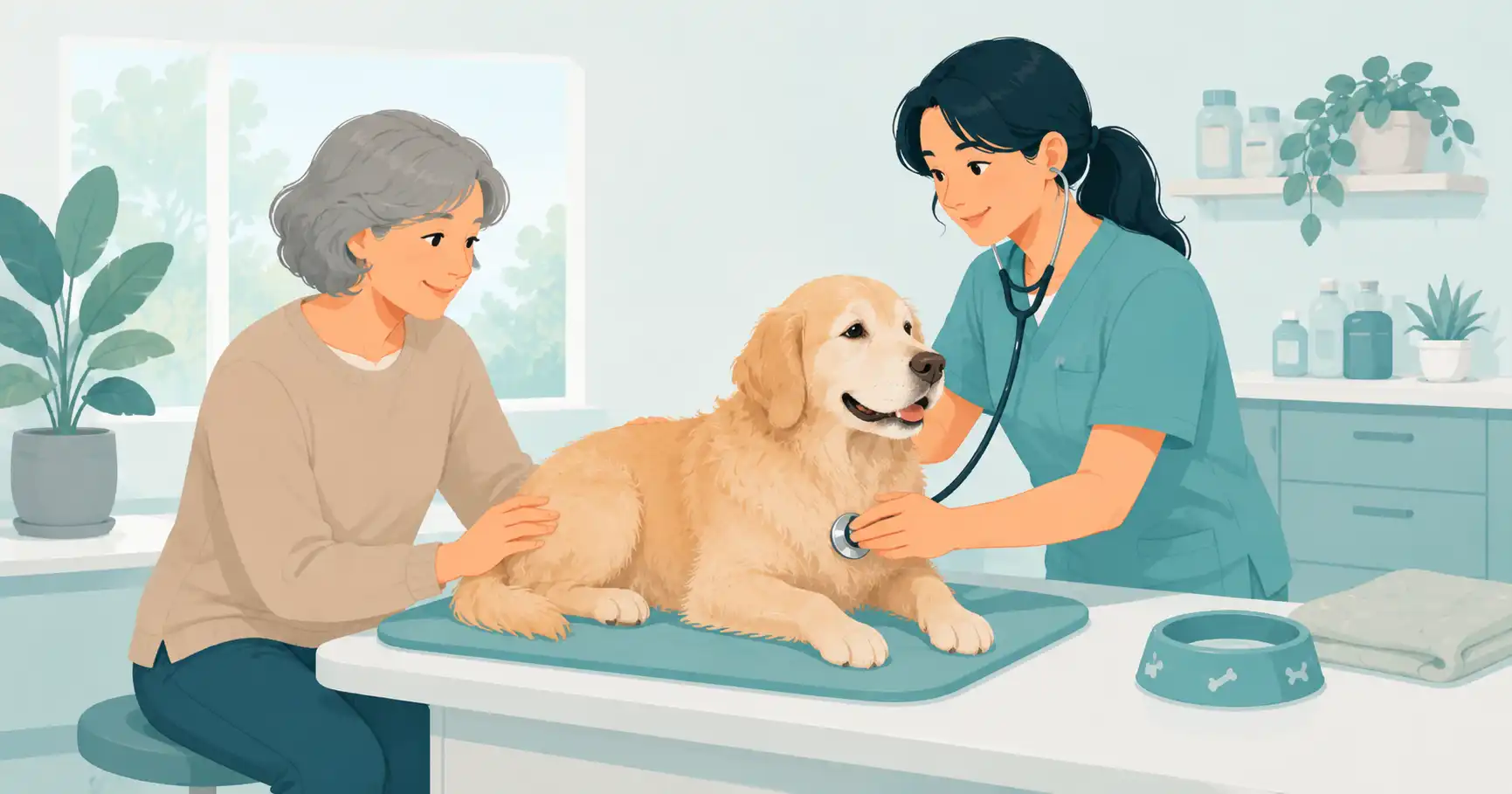
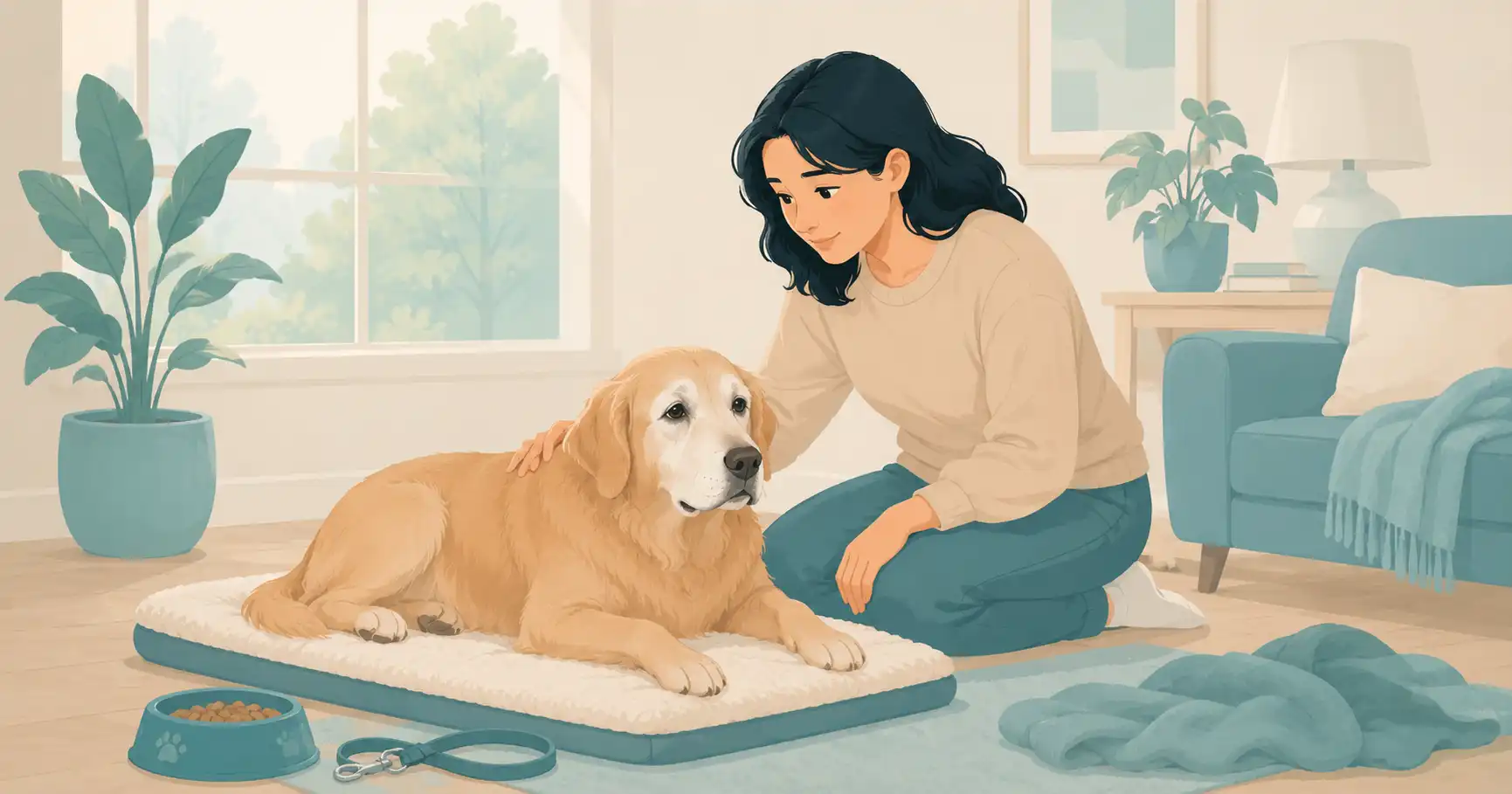
As dogs get older, changes in energy, mobility, behaviour and appearance are common. However, not every change should automatically be blamed on age.
Dogs are good at adapting to discomfort, so conditions such as arthritis, dental disease or other health problems may initially look like your dog is simply “slowing down.”
Knowing the common signs of aging can help you identify when your dog needs additional support or a veterinary examination.
If you have noticed changes in your older dog, contact Walker Lake Veterinary Centre at (587) 786-6771 to book a senior wellness examination.
There is no single age when every dog becomes senior. Large and giant breeds generally age earlier than small breeds, so breed, size and overall health all matter.
1. Your Dog Is Slowing Down
One of the first changes owners notice is reduced energy.
Your dog may:
- Walk more slowly
- Tire sooner
- Sleep more
- Play for shorter periods
- Take longer to recover after exercise
- Prefer shorter walks
Some slowing is expected with age, but a significant decrease in activity may indicate pain or another health problem.
2. Difficulty Getting Up or Climbing Stairs
Mobility changes are common in senior dogs.
You may notice your dog:
- Struggling to stand after resting
- Hesitating before climbing stairs
- Avoiding jumping into the car
- Walking stiffly after sleeping
- Limping
- Avoiding slippery floors
These can be signs of arthritis or other joint problems.
If your dog suddenly stops doing activities they previously enjoyed, do not assume they have simply lost interest. Pain may be making those activities uncomfortable.
3. Grey Hair and Coat Changes
Grey or white hair around the muzzle and face is one of the most visible signs of aging.
You may also notice:
- A thinner coat
- Drier skin
- Changes in coat texture
- More lumps or bumps
Grey hair itself is normal, but new skin growths or rapidly changing lumps should be examined by a veterinarian.
4. Weight Changes
Older dogs may gain weight as their activity decreases.
Extra weight can place additional pressure on aging joints and make arthritis worse.
Other senior dogs begin losing weight or muscle.
Unexplained weight loss may occur with:
- Dental disease
- Kidney disease
- Diabetes
- Digestive problems
- Cancer
- Other chronic illnesses
Regular weight checks make gradual changes easier to identify.
5. Changes in Appetite or Drinking
Pay attention to how much your dog eats and drinks.
Changes that warrant veterinary attention include:
- Drinking much more water
- Urinating more frequently
- Eating more but losing weight
- Reduced appetite
- Difficulty chewing
- Suddenly becoming very selective about food
Changes in thirst and appetite can be early signs of several medical conditions and should not simply be attributed to aging.
6. Bad Breath or Difficulty Chewing
Dental disease becomes increasingly common as dogs age.
Watch for:
- Strong bad breath
- Heavy tartar
- Red or bleeding gums
- Dropping food
- Chewing on one side
- Avoiding hard treats
- Loose or damaged teeth
Dental pain can affect appetite, behaviour and quality of life.
Senior dogs should continue receiving regular dental examinations.
7. Changes in Hearing or Vision
Older dogs may gradually lose some hearing or vision.
Signs of hearing loss include:
- Not responding when called
- Sleeping through noises
- Being startled when approached
- Responding less to familiar sounds
Signs of vision changes include:
- Bumping into objects
- Hesitating in dark areas
- Difficulty finding toys
- Becoming nervous in unfamiliar places
Keep furniture arrangements consistent and approach a dog with hearing loss where they can see you.
8. Behaviour and Sleep Changes
Aging can also affect behaviour.
Some senior dogs may:
- Become more anxious
- Pace at night
- Sleep during the day and stay awake at night
- Appear confused
- Stare into space
- Get stuck behind furniture
- Forget familiar routines
- Have house-training accidents
These behaviours may occur with canine cognitive dysfunction, but pain and other medical conditions can cause similar signs.
A veterinary examination is important before assuming cognitive decline is responsible.
9. Reduced Interest in Interaction
An older dog may become quieter or spend more time resting.
However, withdrawing completely from family interaction can sometimes indicate discomfort.
Watch for:
- Avoiding being touched
- Moving away when approached
- Reduced interest in toys
- Increased irritability
- Hiding or isolating themselves
Pain is one possible reason for these changes.
10. Changes in Bathroom Habits
Senior dogs may experience changes in urination or bowel movements.
Contact your veterinarian if you notice:
- Increased urination
- House-training accidents
- Difficulty urinating
- Blood in the urine
- Constipation
- Persistent diarrhoea
- Straining to pass stool
These symptoms can indicate urinary, kidney, digestive or other health problems.
When Are Aging Changes a Concern?
Book a veterinary examination if you notice a persistent change in your dog’s normal behaviour or routine.
Seek prompt veterinary attention for:
- Difficulty breathing
- Collapse
- Severe weakness
- Inability to stand
- Seizures
- Significant appetite loss
- Persistent vomiting or diarrhoea
- Difficulty urinating
- Severe pain
- Rapid unexplained weight loss
Old age itself is not a diagnosis. Sudden or significant changes in mobility, appetite, breathing, weight or behaviour should be evaluated rather than assumed to be part of normal aging.
How to Help an Aging Dog at Home
Small changes can make everyday life easier for your senior dog.
- Maintain a healthy body weight
- Continue gentle daily exercise
- Provide supportive bedding
- Use rugs on slippery flooring
- Consider ramps for stairs or vehicles
- Keep food and water easy to reach
- Maintain regular dental care
- Keep parasite prevention current
- Provide mental stimulation
- Schedule regular senior wellness examinations
Your dog’s care should change gradually as their needs change.
How Often Should Senior Dogs Visit the Vet?
Senior dogs generally benefit from more frequent veterinary assessments than younger healthy dogs.
Regular examinations allow your veterinarian to monitor:
- Weight
- Muscle condition
- Teeth
- Heart and lungs
- Joint mobility
- New lumps
- Behaviour changes
- Blood and urine results when testing is recommended
Early detection often gives you more options for managing age-related disease.
Noticing changes in your aging dog? Book a senior wellness examination at Walker Lake Veterinary Centre. We can assess their mobility, weight, dental health and overall wellbeing and recommend care based on their individual needs. Call (587) 786-6771 or book online.
Senior Dog Care at Walker Lake Veterinary Centre
Walker Lake Veterinary Centre provides senior wellness examinations, diagnostic testing, dental care and ongoing health management for dogs across Walker Lake, Summerside, Ellerslie, Heritage Valley and Southwest Edmonton.
Call us at (587) 786-6771 to book an appointment.
Frequently Asked Questions
What age is considered old for a dog?
There is no single age. Large breeds generally reach their senior years earlier than smaller breeds because lifespan varies significantly by breed and size.
Is sleeping more normal for an older dog?
Some increase in sleep can occur with age. However, excessive tiredness or a sudden reduction in activity should be discussed with your veterinarian.
Why is my senior dog struggling to stand?
Arthritis and other mobility conditions are common causes. A veterinary examination can help determine whether pain or another problem is responsible.
Is weight loss normal in an old dog?
No. Unexplained weight loss should be investigated because it can indicate dental disease or an underlying medical condition.
How can I make my aging dog more comfortable?
Maintain a healthy weight, provide appropriate exercise, use supportive bedding, improve traction around the home and address pain or mobility problems with your veterinarian.