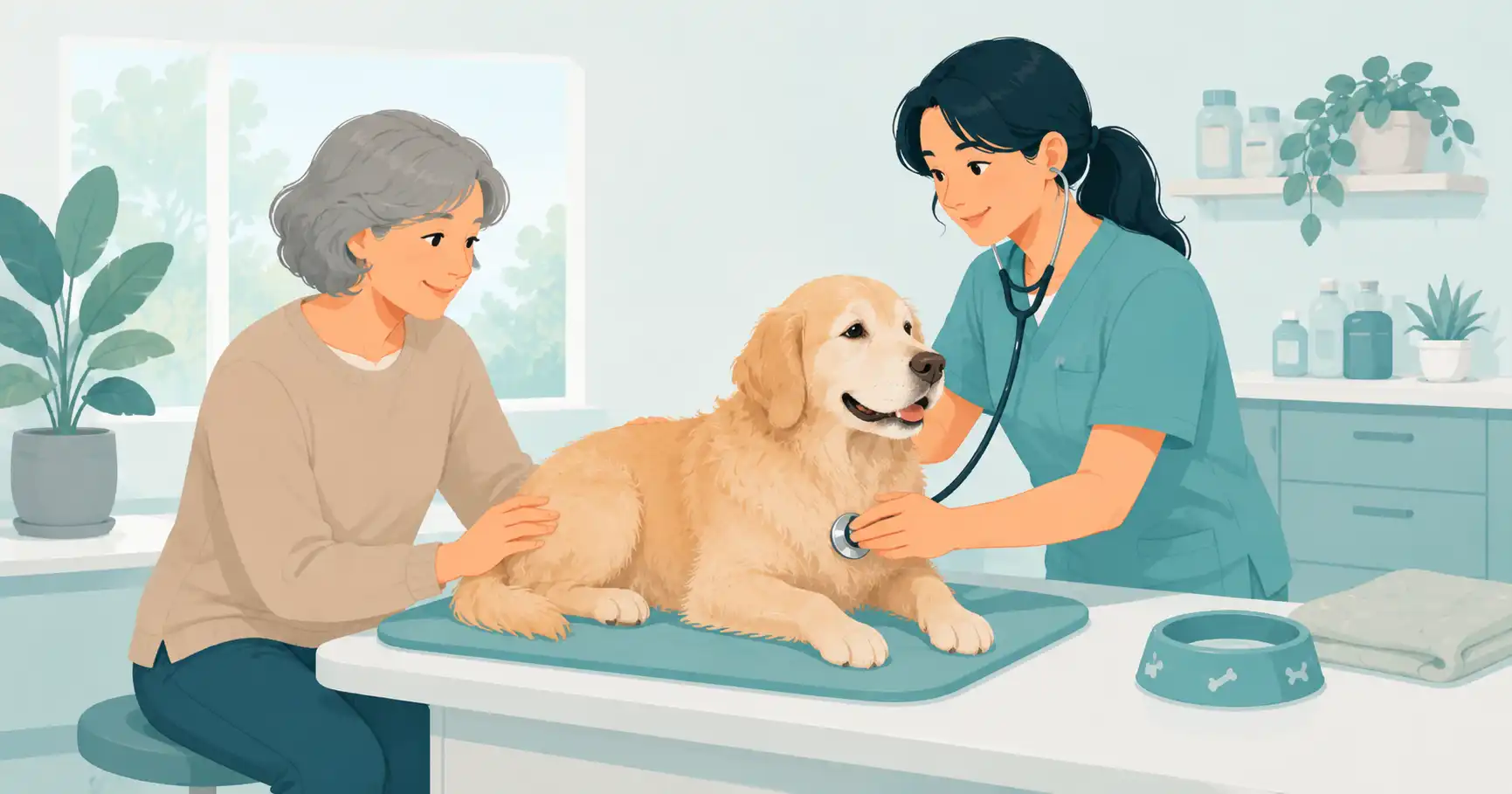
As dogs get older, their healthcare needs gradually change. You may notice your dog sleeping more, moving a little slower or taking longer to recover after exercise. Some changes are a normal part of ageing, while others can indicate arthritis, dental disease or another health problem.
Good senior dog care focuses on maintaining comfort, mobility, healthy weight and quality of life while identifying age-related conditions as early as possible.
If you have noticed changes in your older dog’s health or behaviour, contact Walker Lake Veterinary Centre at (587) 786-6771 to book a senior wellness examination.
There is no single age when every dog becomes a senior. Large and giant breeds generally age earlier than smaller breeds, so your veterinarian will consider your dog’s breed, size and overall health.
When Is a Dog Considered Senior?
Dogs age at different rates.
A Great Dane may show age-related changes much earlier than a Chihuahua or other small breed. Rather than relying only on your dog’s age, pay attention to changes in mobility, weight, behaviour and general health.
Signs your dog may be entering their senior years include:
- Sleeping more than usual
- Taking longer to get up
- Reduced interest in long walks
- Difficulty climbing stairs
- Grey hair around the face
- Changes in weight
- Reduced hearing or vision
- Behaviour or sleep changes
Regular veterinary examinations become increasingly important as these changes begin.
Schedule Regular Senior Wellness Exams
Older dogs have a greater risk of developing conditions such as arthritis, dental disease, kidney disease, heart disease, diabetes and certain cancers.
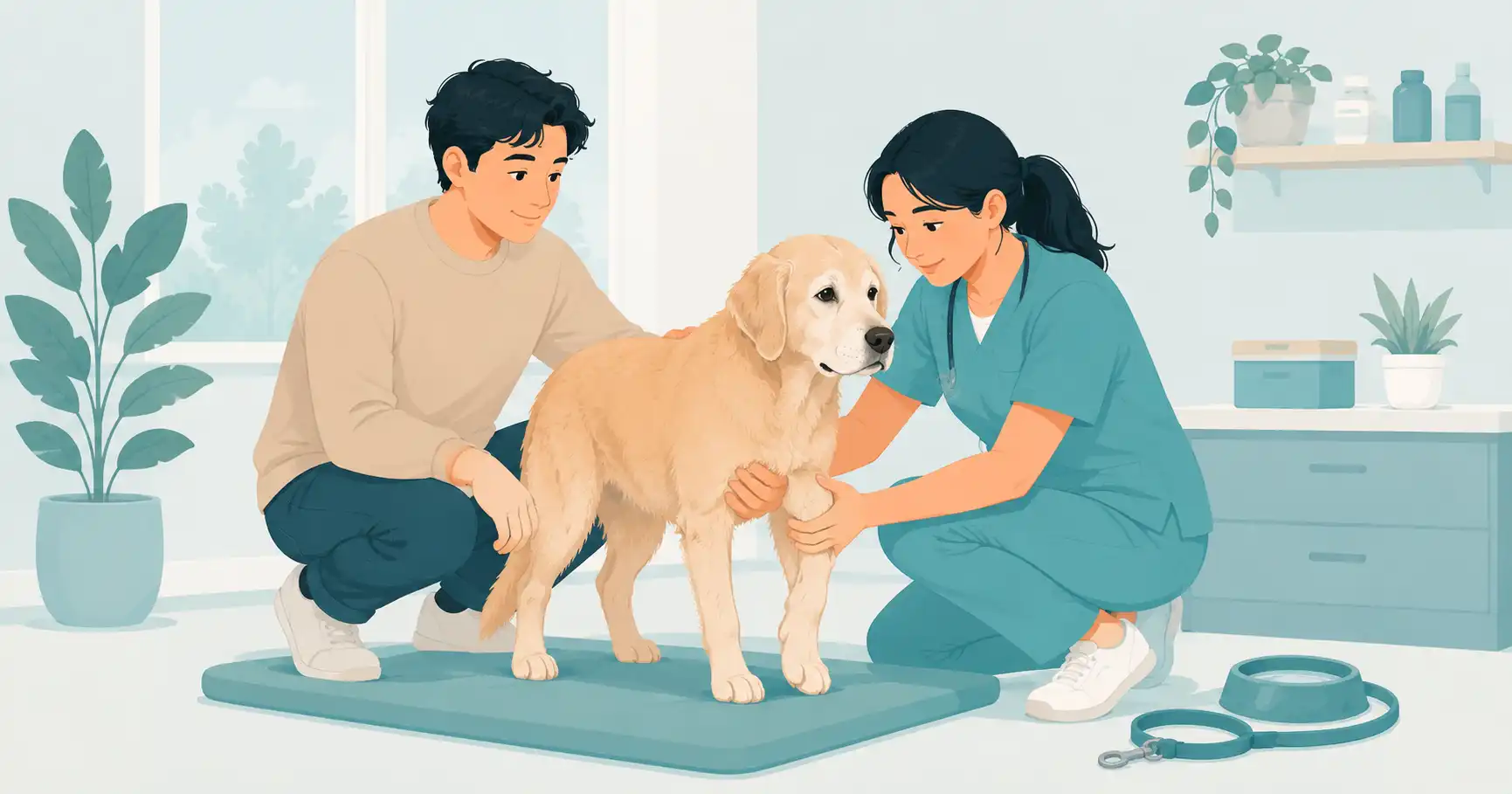
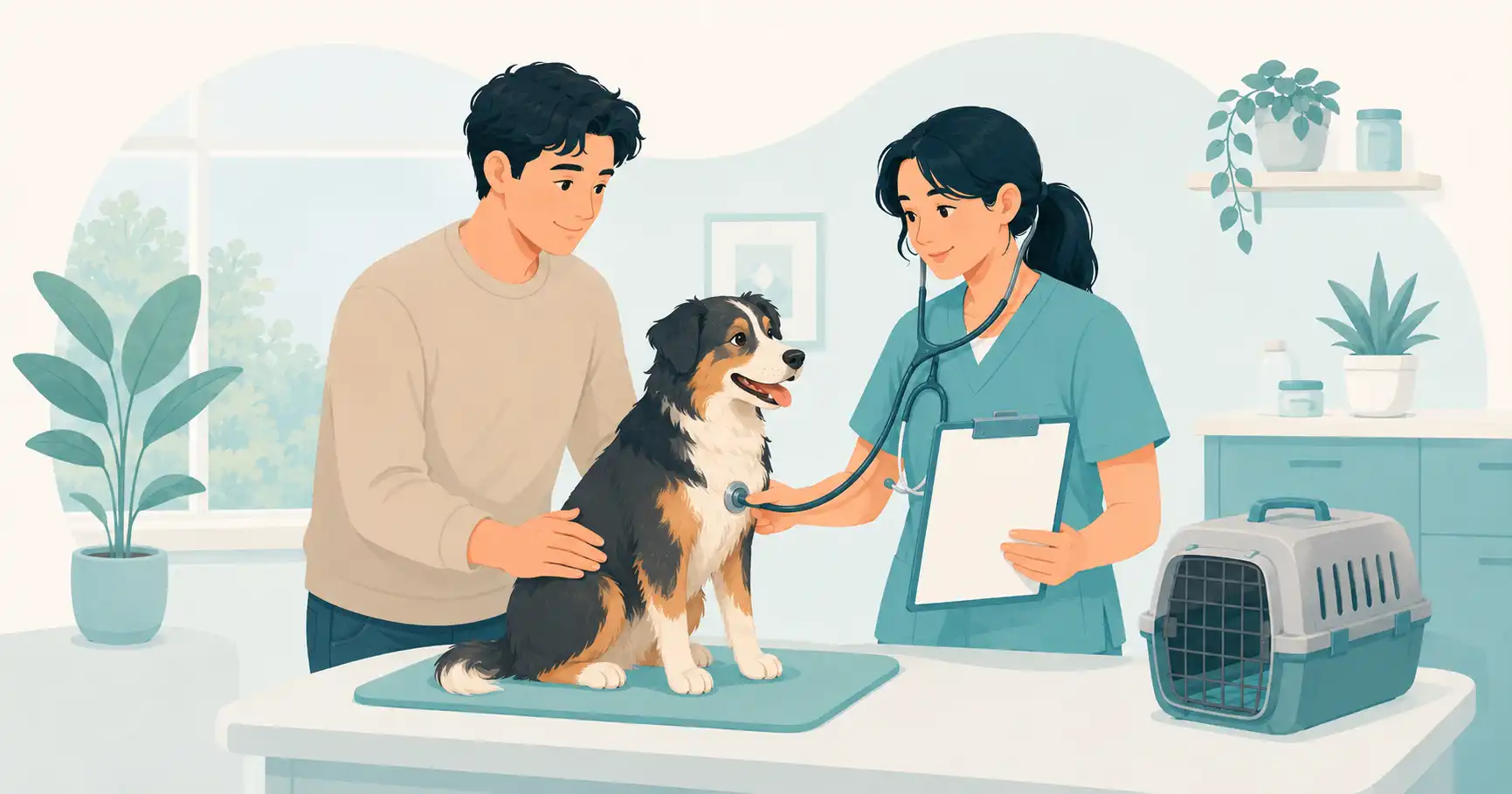
Senior wellness examinations allow your veterinarian to identify subtle changes before they become more serious.
A senior health assessment may include:
- Complete physical examination
- Weight and body-condition assessment
- Dental examination
- Heart and lung assessment
- Joint and mobility evaluation
- Skin and coat examination
- Bloodwork when appropriate
- Urine testing when recommended
- Review of medications and supplements
Current AAHA senior-care guidance recommends more frequent veterinary evaluations as pets age because health can change faster during the senior years.
Watch for Changes at Home
You know your dog’s normal behaviour better than anyone. Small changes at home can provide important clues about their health.
Contact your veterinarian if you notice:
- Increased drinking or urination
- Unexpected weight loss or gain
- Reduced appetite
- Persistent coughing
- Vomiting or diarrhoea
- New lumps or bumps
- Difficulty standing
- Limping or stiffness
- Changes in breathing
- Confusion or unusual behaviour
Do not assume every change is simply because your dog is getting older. Many age-related conditions can be treated or managed.
Keep Your Senior Dog at a Healthy Weight
Maintaining a healthy body weight is especially important for older dogs.
Extra weight increases stress on ageing joints and can make arthritis and mobility problems worse. On the other hand, unexplained weight or muscle loss may indicate an underlying health problem.
Your veterinarian can assess both your dog’s body condition and muscle condition and recommend an appropriate target weight. AAHA guidance emphasizes monitoring both weight and muscle condition as dogs age.
Feed an Appropriate Senior Diet
Not every older dog automatically needs a food labelled “senior.”
The best diet depends on your dog’s:
- Weight
- Activity level
- Muscle condition
- Dental health
- Medical conditions
- Current diet
Some senior dogs need fewer calories because they are less active, while others need nutritional support to maintain muscle mass.
Dogs with kidney disease, arthritis or other medical conditions may benefit from diets designed specifically to support those conditions.
Avoid making major dietary changes or adding supplements without discussing them with your veterinarian.
Keep Your Senior Dog Moving
Older dogs still need regular exercise.
Exercise helps support:
- Healthy body weight
- Muscle strength
- Joint mobility
- Cardiovascular health
- Mental stimulation
- Regular bowel movements
The intensity may need to change as your dog ages.
Several shorter walks may be easier than one long walk. Swimming and other low-impact activities can also work well for some dogs.
Pay attention to how your dog feels later in the day and the following morning. Significant stiffness after exercise may mean the activity was too strenuous.
Watch for Signs of Arthritis
Arthritis is common in older dogs, but the signs can be subtle.
Watch for:
- Difficulty getting up after resting
- Stiffness after sleep
- Reluctance to climb stairs
- Difficulty jumping into the car
- Slower walking
- Limping
- Reduced interest in play
- Licking particular joints
- Irritability when touched
Slowing down is not always simply “old age.” If your dog suddenly avoids stairs, walks or activities they previously enjoyed, pain may be contributing.
Arthritis management may include weight control, appropriate exercise, medication, rehabilitation and other treatments recommended by your veterinarian.
Make Your Home Easier to Navigate
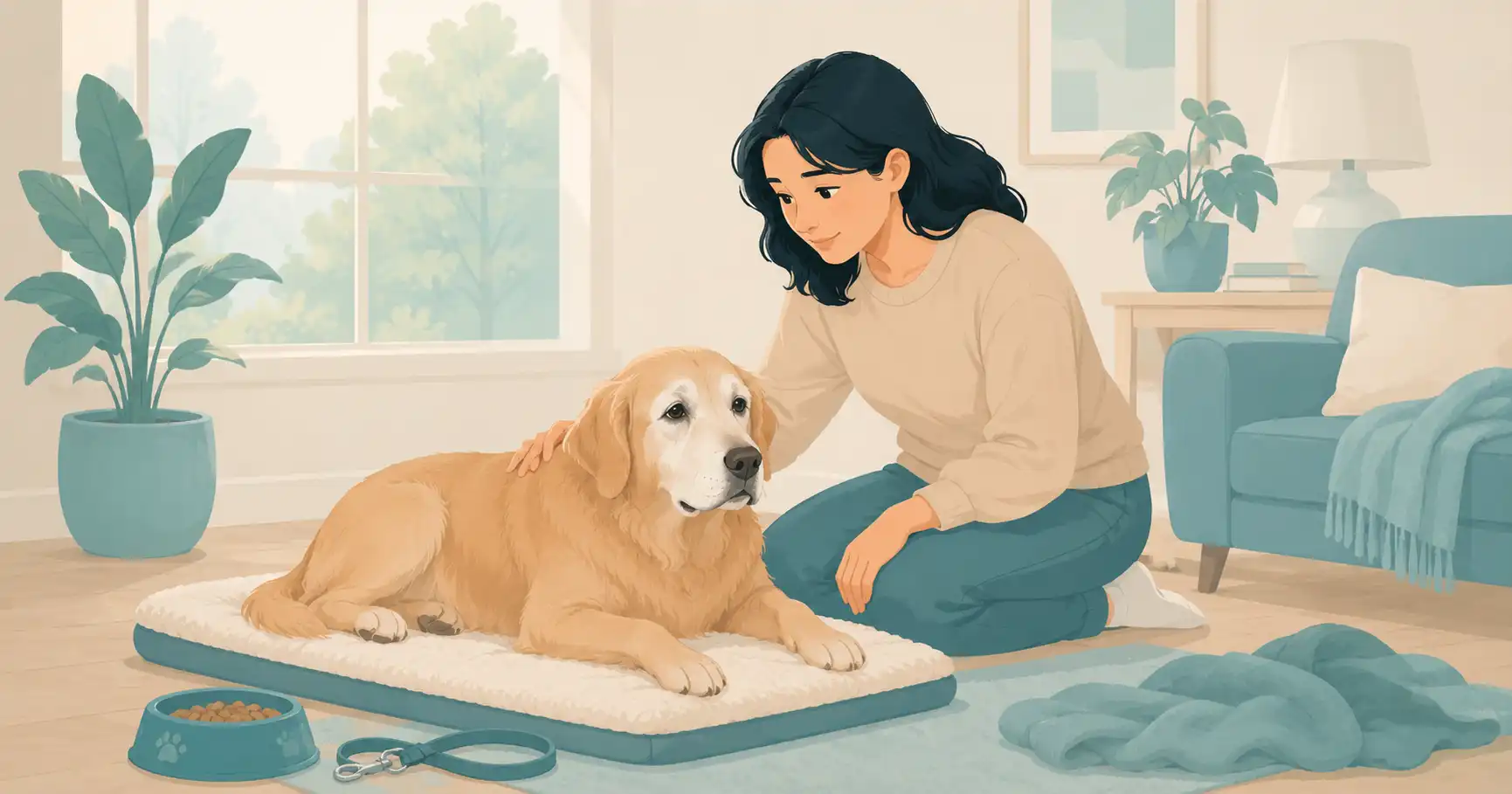
Small changes around the home can make a big difference for an ageing dog.
Consider:
- Non-slip rugs on slippery floors
- Ramps for vehicles or stairs
- Comfortable supportive bedding
- Food and water bowls in easily accessible locations
- Keeping frequently used areas on one level
- Night lights for dogs with declining vision
- Keeping furniture arrangements consistent
Dogs with declining vision, hearing or mobility may become less confident navigating their environment. AAHA recommends home modifications such as improving traction and reducing unnecessary stair use for senior dogs.
Do Not Ignore Dental Health
Dental disease can cause significant pain in senior dogs.
Signs include:
- Persistent bad breath
- Heavy tartar
- Red or bleeding gums
- Loose teeth
- Dropping food
- Chewing on one side
- Avoiding hard treats
Your dog should continue receiving dental examinations throughout their senior years.
Age alone does not automatically prevent a dog from undergoing dental treatment. Your veterinarian will assess their overall health and anaesthetic risk individually.
Monitor Behaviour and Cognitive Changes
Some dogs develop cognitive changes as they age.
You may notice:
- Appearing confused
- Staring at walls
- Getting stuck in corners
- Changes in sleep patterns
- Pacing at night
- House-training accidents
- Increased anxiety
- Reduced interaction with family
- Forgetting familiar routines
These signs may be associated with canine cognitive dysfunction, but other medical problems can cause similar behaviour.
Have new behavioural changes assessed rather than assuming they are unavoidable signs of ageing.
Keep Preventive Care Up to Date
Senior dogs still need preventive healthcare.
Depending on your dog’s lifestyle and health, this may include:
- Vaccinations
- Flea and tick prevention
- Heartworm prevention
- Intestinal parasite screening
- Dental care
- Weight monitoring
- Routine blood and urine testing
Your veterinarian can adjust the preventive-care plan as your dog’s lifestyle changes.
When Should a Senior Dog See a Vet?
Book an appointment if you notice significant changes in your dog’s normal routine.
Seek veterinary attention for:
- Difficulty breathing
- Collapse or severe weakness
- Inability to stand
- Persistent vomiting or diarrhoea
- Significant appetite loss
- Sudden abdominal swelling
- Severe pain
- Seizures
- Difficulty urinating
- Rapid unexplained weight loss
Do not dismiss sudden changes as normal ageing. A new problem in a senior dog should be assessed, especially if it affects eating, breathing, mobility or behaviour.
Helping Your Senior Dog Enjoy Their Golden Years
Senior care is not just about treating disease. It is about keeping your dog comfortable and helping them continue enjoying the activities and people they love.
Focus on:
- Comfortable daily exercise
- Healthy body weight
- Good nutrition
- Regular veterinary care
- Dental health
- Pain management when needed
- Mental stimulation
- A safe and comfortable home
Is your dog entering their senior years? Book a senior wellness examination at Walker Lake Veterinary Centre. We can assess their weight, mobility, dental health and overall wellbeing and recommend a care plan for their changing needs. Call (587) 786-6771 or book online.
Senior Dog Care at Walker Lake Veterinary Centre
Walker Lake Veterinary Centre provides wellness examinations, diagnostic testing, dental care and ongoing health management for senior dogs across Walker Lake, Summerside, Ellerslie, Heritage Valley and Southwest Edmonton.
Call us at (587) 786-6771 to book an appointment.
Frequently Asked Questions
At what age is a dog considered senior?
There is no universal age. Large breeds generally enter their senior years earlier than small breeds because lifespan and ageing rates vary by size and breed.
How often should a senior dog see the vet?
Senior dogs generally benefit from more frequent veterinary examinations than younger healthy adults. Your veterinarian can recommend an appropriate schedule based on your dog’s health.
Should senior dogs still exercise?
Yes. Regular low-impact activity helps maintain mobility, muscle strength and healthy weight. Exercise should be adjusted to your dog’s comfort and physical ability.
Is slowing down normal in an old dog?
Some reduction in activity occurs with age, but significant stiffness, difficulty standing or reluctance to walk may indicate pain or arthritis and should be assessed.
Does my senior dog need special food?
Not necessarily. Diet should be based on body condition, muscle mass, activity and medical needs rather than age alone.