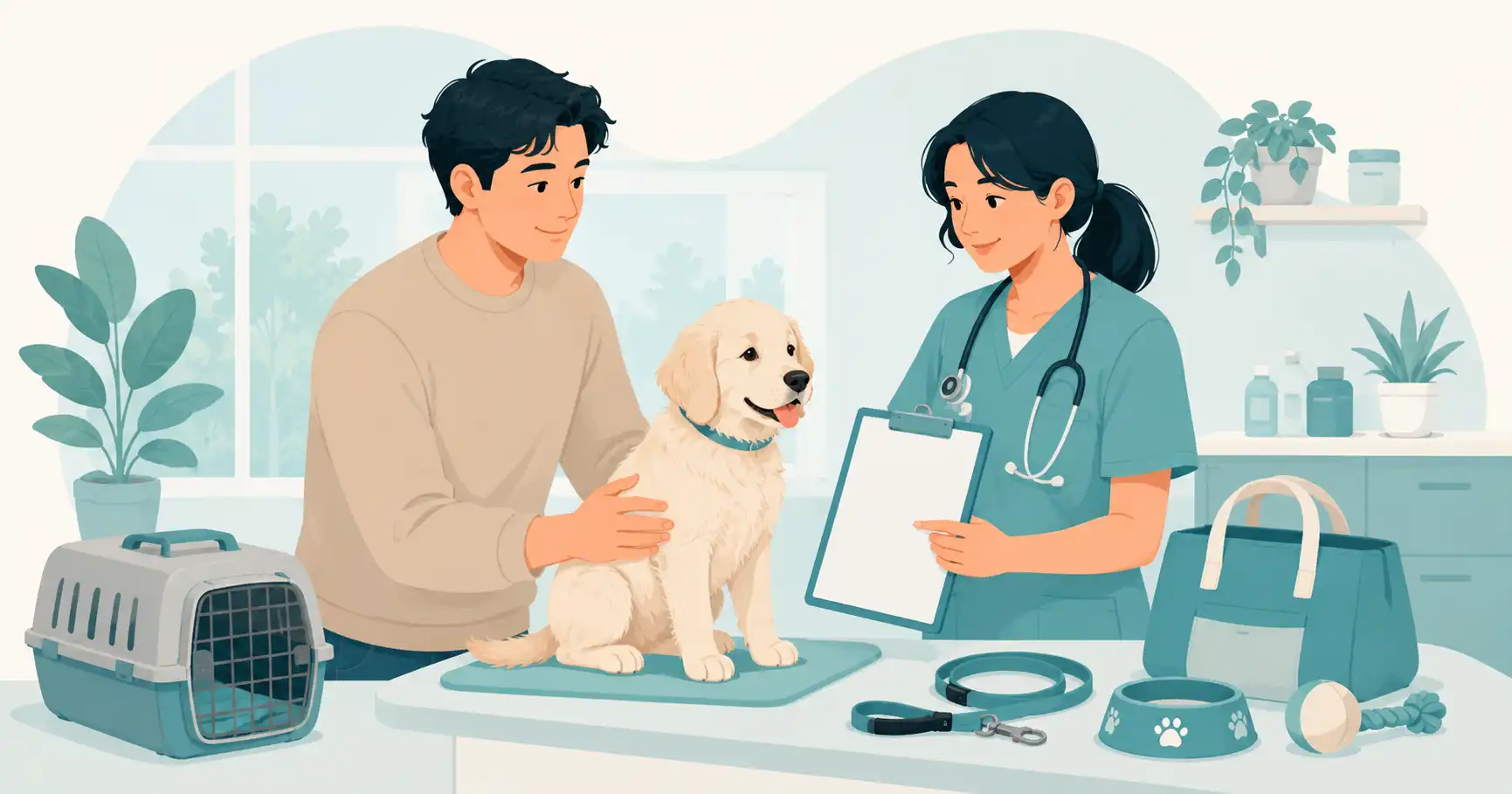
Bringing home a new puppy is exciting, but there is plenty to prepare before they arrive. From choosing the right food and supplies to arranging vaccinations and puppy-proofing your home, a little planning can make the transition easier for everyone.
This new puppy checklist covers the essentials Edmonton pet owners should have ready during the first few weeks.
If you have recently welcomed a puppy, Walker Lake Veterinary Centre can help you establish a vaccination, parasite prevention and preventive-care plan. Call us at (587) 786-6771 to book your puppy’s first appointment.
Your puppy does not need every pet product available. Start with the essentials: appropriate food, safe sleeping space, identification, basic grooming supplies and a veterinary care plan.
New Puppy Essentials Checklist
Before your puppy arrives, have these basic supplies ready:
- Puppy food appropriate for their age and expected adult size
- Food and water bowls
- Collar or harness
- Leash
- Identification tag
- Crate or secure sleeping area
- Comfortable bedding
- Puppy-safe toys
- Training treats
- Waste bags
- Enzymatic cleaner for accidents
- Grooming brush or comb
- Dog toothbrush and veterinary toothpaste
- Nail clippers or grinder
- Secure carrier or vehicle restraint
You can add other items later as you learn your puppy’s individual needs.
Puppy-Proof Your Home
Puppies explore the world with their mouths, so anything within reach may become something to chew.
Before bringing your puppy home:
- Secure electrical cords
- Store medications safely
- Keep household cleaners out of reach
- Remove small objects that could be swallowed
- Secure garbage bins
- Move toxic plants
- Keep human food out of reach
- Use baby gates to block unsafe areas
- Secure balconies, stairs and outdoor spaces
- Keep shoes and valuable items away from the puppy
Pay particular attention to chocolate, grapes, raisins, xylitol-containing products and medications, which can be dangerous if eaten by dogs.
Keep Their Food Consistent at First
Ask the breeder or rescue what your puppy has been eating.
Continuing the same food during the first several days can help reduce digestive upset while your puppy adjusts to their new home.
If you want to change foods, transition gradually rather than switching suddenly.
Your puppy should be eating a complete diet formulated for growth. Large-breed puppies may benefit from food specifically formulated for controlled large-breed growth.
Your veterinarian can help you determine:
- Appropriate food
- Daily feeding amount
- Number of meals
- Healthy growth rate
- When to transition to adult food
Book Your Puppy’s First Vet Visit
Arrange your puppy’s first veterinary appointment shortly after bringing them home.
Bring any records provided by the breeder, shelter or rescue, including:
- Vaccination records
- Deworming history
- Previous medical records
- Microchip information
- Current medications
- Details of the food being fed
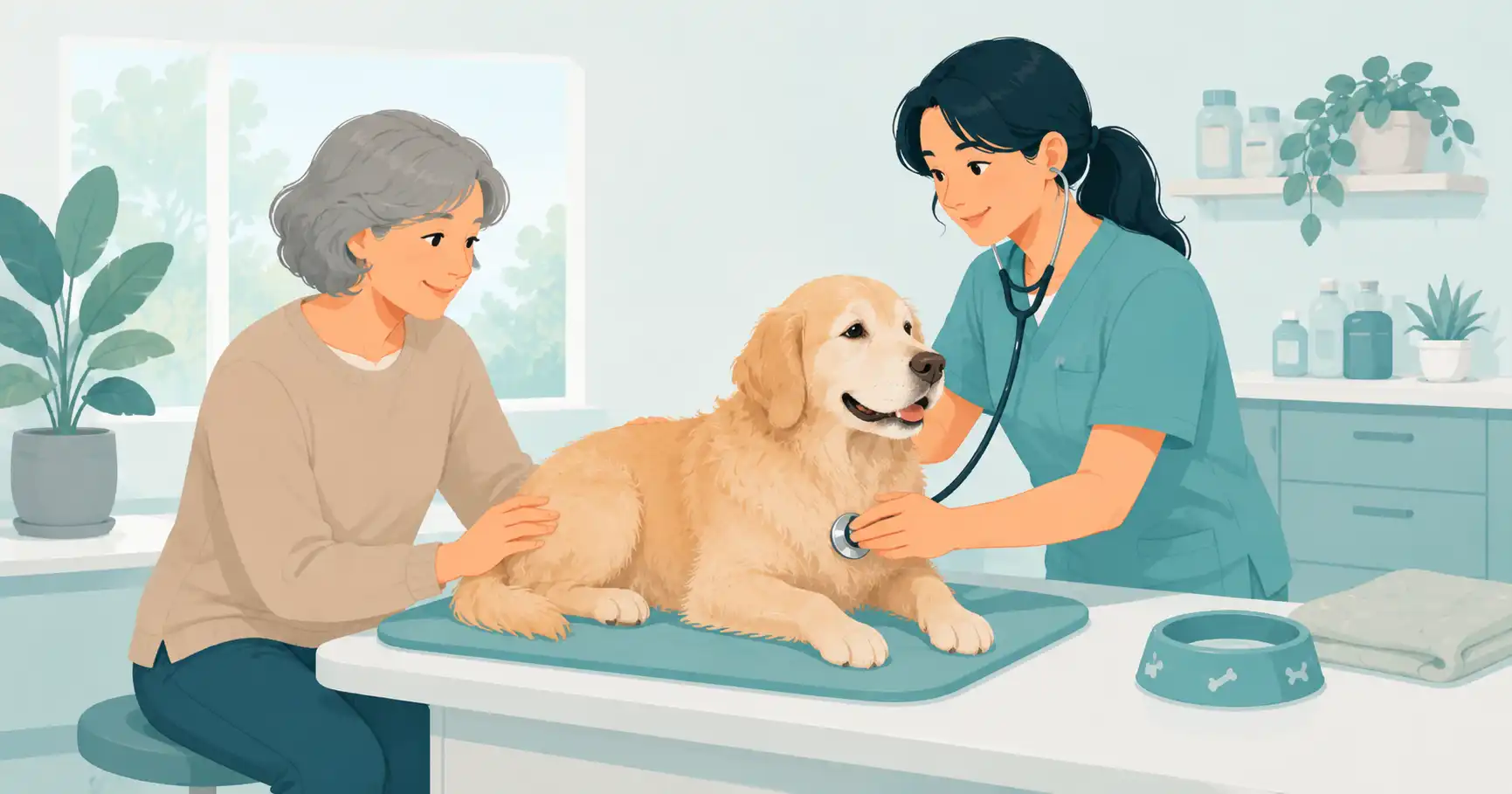
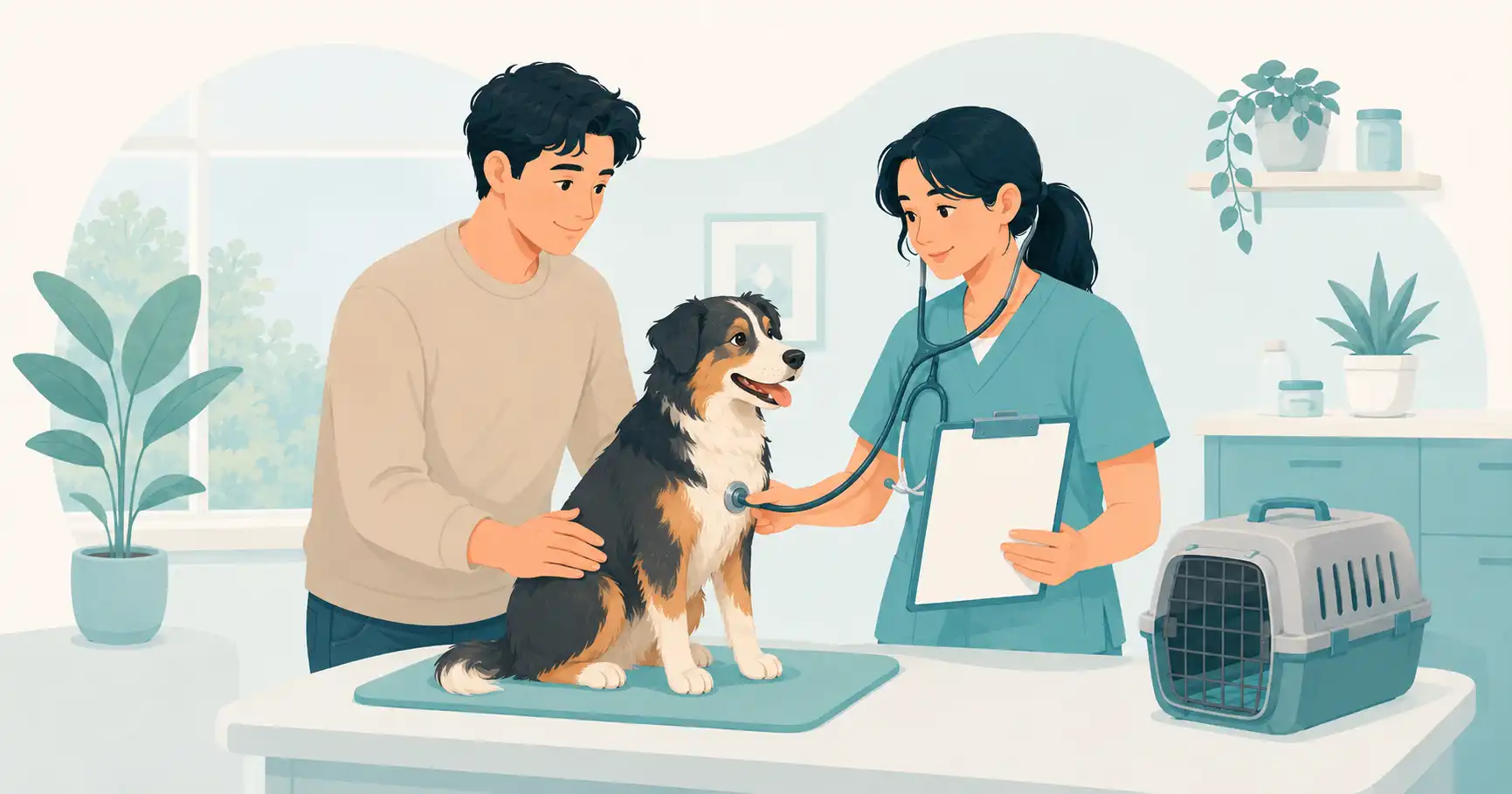
During the first appointment, the veterinarian will examine your puppy and establish a preventive-care schedule.
Keep Puppy Vaccinations on Schedule
Puppies require several vaccinations while their immune systems develop.
Core protection commonly includes:
- Canine distemper
- Canine parvovirus
- Canine adenovirus
- Leptospirosis
- Rabies at the appropriate age
Other vaccines may be recommended based on lifestyle, including Bordetella and Lyme disease vaccination.
Puppy vaccines usually begin around 6–8 weeks and continue with boosters until at least 16 weeks.
Do not assume your puppy is fully protected after one vaccination. Complete the vaccination series recommended by your veterinarian before exposing your puppy to higher-risk environments.
Arrange Parasite Prevention
Puppies can be affected by both internal and external parasites.
Your veterinarian may recommend prevention or testing for:
- Roundworms
- Hookworms
- Giardia
- Fleas
- Ticks
- Heartworm
The appropriate product depends on your puppy’s age, weight and lifestyle.
Do not use leftover parasite medication from another pet unless your veterinarian confirms it is appropriate.
Start House Training Immediately
Consistency is one of the most important parts of house training.
Take your puppy outside:
- After waking up
- After eating
- After drinking
- After playing
- Before bedtime
- Frequently throughout the day
Take them to the same general toilet area and reward them immediately when they eliminate outside.
Accidents will happen. Clean them thoroughly and avoid punishing your puppy.
Create a Safe Sleeping Area
Your puppy should have a quiet, comfortable area where they can sleep without being disturbed.
This may include:
- A crate
- Puppy pen
- Dog bed
- Small puppy-proofed room
If you use a crate, introduce it gradually and positively.
The crate should become a safe resting area rather than a place used for punishment.
Begin Socialization Early
Socialization helps your puppy become comfortable with everyday experiences.
Gradually introduce them to:
- Different people
- Healthy vaccinated dogs
- Household noises
- Car rides
- Different surfaces
- Gentle handling
- Grooming
- New environments
- Weather conditions
Keep experiences positive and controlled.
Your veterinarian can advise which activities are appropriate while your puppy is still completing their vaccination series.
Begin Basic Training
You do not need to wait until your puppy is older to start training.
Begin with simple skills such as:
- Responding to their name
- Come
- Sit
- Leave it
- Drop it
- Walking calmly on a leash
- Settling quietly
- Accepting gentle handling
Use treats, toys and praise to reward behaviour you want repeated.
Short training sessions of a few minutes are usually easier for young puppies than long lessons.
Get Your Puppy Comfortable With Handling
Regular handling makes future grooming and veterinary care easier.
Gently practice touching:
- Paws
- Toes
- Ears
- Mouth
- Teeth
- Tail
- Legs
Reward your puppy for remaining calm.
This can make nail trimming, tooth brushing, ear examinations and veterinary visits much easier later.
Arrange Identification and Microchipping
Your puppy should have reliable identification in case they become lost.
Use:
- Collar with identification tag
- Current phone number
- Registered microchip
- Appropriate municipal pet licensing
If your puppy already has a microchip, make sure the registration information has been transferred into your name and contains your current contact details.
For Edmonton owners, it is also worth reviewing the City’s current pet-licensing requirements as your puppy grows. Edmonton currently requires dogs and cats over six months old to have a valid pet licence.
Prepare Your Puppy for Edmonton Weather
Edmonton puppies experience both hot summers and very cold winters.
For winter, consider:
- Shorter outdoor trips during extreme cold
- Paw protection when appropriate
- Wiping salt and ice from paws
- A coat for puppies that tolerate cold poorly
During warmer weather:
- Provide fresh water
- Avoid leaving puppies in vehicles
- Limit strenuous activity during extreme heat
- Check pavement temperature before walks
Young puppies may be less tolerant of temperature extremes than healthy adult dogs.
Your First-Week Puppy Checklist
During your puppy’s first week:
- Book the first veterinary appointment
- Confirm vaccination history
- Confirm deworming history
- Establish feeding times
- Begin house training
- Introduce the crate or sleeping area
- Begin gentle socialization
- Start basic training
- Check microchip information
- Choose appropriate parasite prevention
- Establish a predictable daily routine
Keep the first week relatively calm. Your puppy is adjusting to a completely new home, people, smells and routine. Give them time to settle before introducing too many new experiences at once.
What to Discuss With Your Veterinarian
Your puppy’s early veterinary appointments are a good opportunity to discuss:
- Vaccination schedule
- Deworming
- Flea and tick prevention
- Heartworm prevention
- Nutrition
- Growth
- Socialization
- Dental care
- Microchipping
- Spay or neuter timing
- Breed-specific health concerns
Having a preventive-care plan from the beginning makes it easier to keep track of what your puppy needs as they grow.
Welcoming a new puppy? Walker Lake Veterinary Centre can help you start with a complete health examination, vaccinations and personalized preventive-care plan. Call (587) 786-6771 or book online. We are located at 5109 22 Avenue SW in Southwest Edmonton.
New Puppy Care at Walker Lake Veterinary Centre
Walker Lake Veterinary Centre provides puppy examinations, vaccinations, parasite prevention, microchipping and preventive care for families across Walker Lake, Summerside, Ellerslie, Heritage Valley and Southwest Edmonton.
Bring any records you received from your breeder, rescue or previous veterinarian, and our team will help you determine what your puppy needs next.
Call us at (587) 786-6771 or book an appointment online.
Frequently Asked Questions
How soon should I take a new puppy to the vet?
Ideally, arrange an examination within the first few days after bringing your puppy home, particularly if their vaccination or health history is incomplete.
What should I buy before bringing a puppy home?
Start with food, bowls, a collar or harness, leash, identification tag, bed or crate, toys, training treats, waste bags and basic grooming supplies.
When should puppy training begin?
Basic positive-reinforcement training can begin as soon as your puppy arrives home.
When can my puppy go to a dog park?
Wait until your veterinarian confirms that your puppy has sufficient vaccination protection before visiting higher-risk areas used by many unknown dogs.
Does my puppy need to be microchipped if they wear an ID tag?
Microchipping provides permanent backup identification if the collar or tag becomes lost. Using both provides stronger protection.