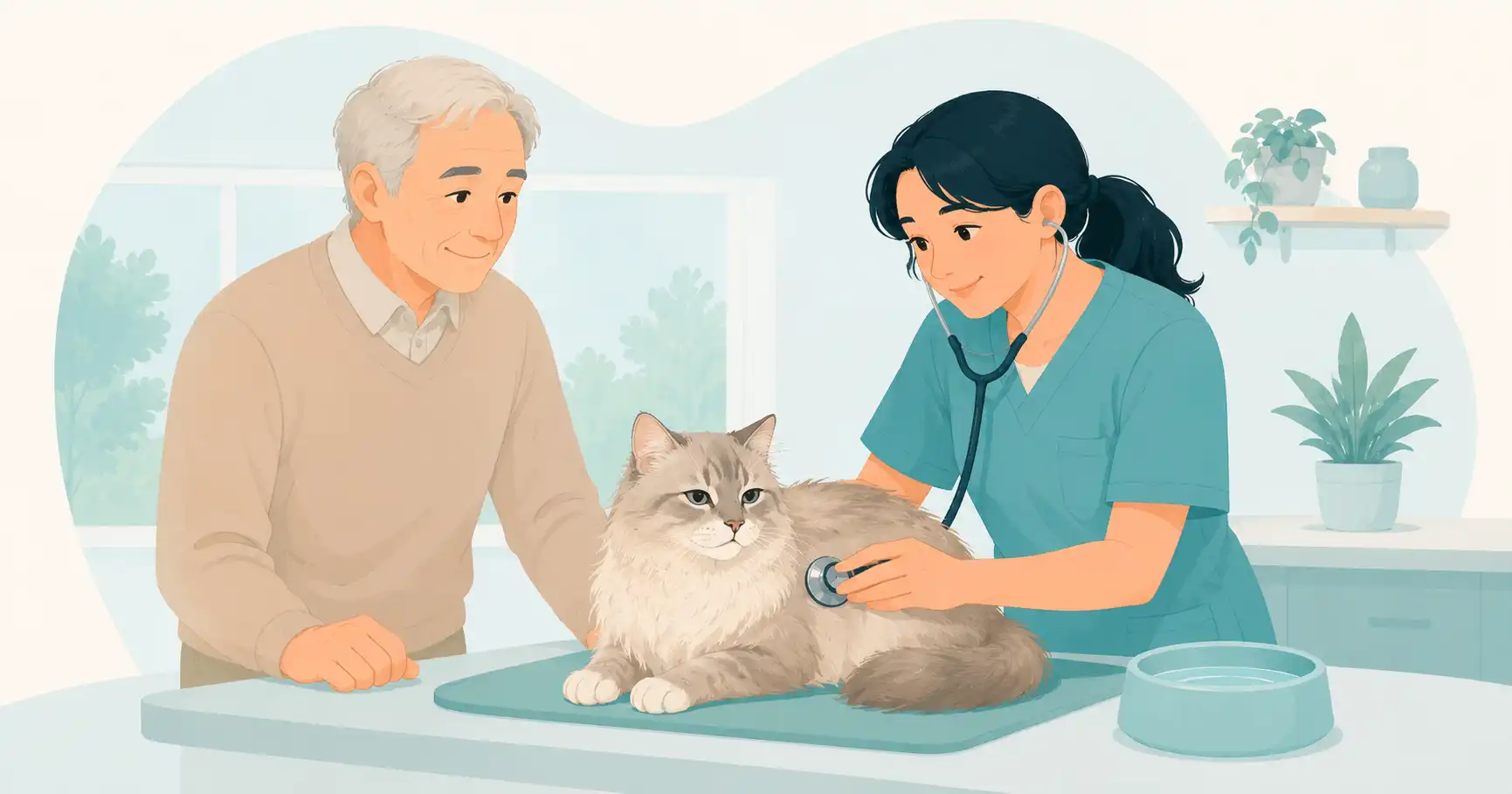
Cats often age quietly. Because they naturally hide pain and illness, changes in their health may be subtle at first. Sleeping more, losing weight, drinking more water or hesitating before jumping can sometimes be mistaken for normal ageing when they may actually indicate a health problem.
Good senior cat care focuses on identifying these changes early while maintaining comfort, nutrition, mobility and quality of life.
If you have noticed changes in your older cat’s weight, appetite, behaviour or mobility, contact Walker Lake Veterinary Centre at (587) 786-6771 to book a senior wellness examination.
Ageing itself is not a disease. Changes such as weight loss, increased thirst, stiffness or reduced grooming should not automatically be dismissed as your cat simply “getting old.”
How Does Your Cat Change With Age?
Every cat ages differently. Genetics, lifestyle, nutrition and previous health conditions can all influence the ageing process.
Common changes owners may notice include:
- Sleeping more
- Reduced activity
- Difficulty jumping
- Changes in appetite
- Weight loss or gain
- Reduced grooming
- Changes in hearing or vision
- Increased thirst
- Changes in litter box habits
- Increased vocalization
Some changes are gradual, while others may signal an underlying medical condition that needs veterinary attention.
Schedule Regular Senior Cat Wellness Exams
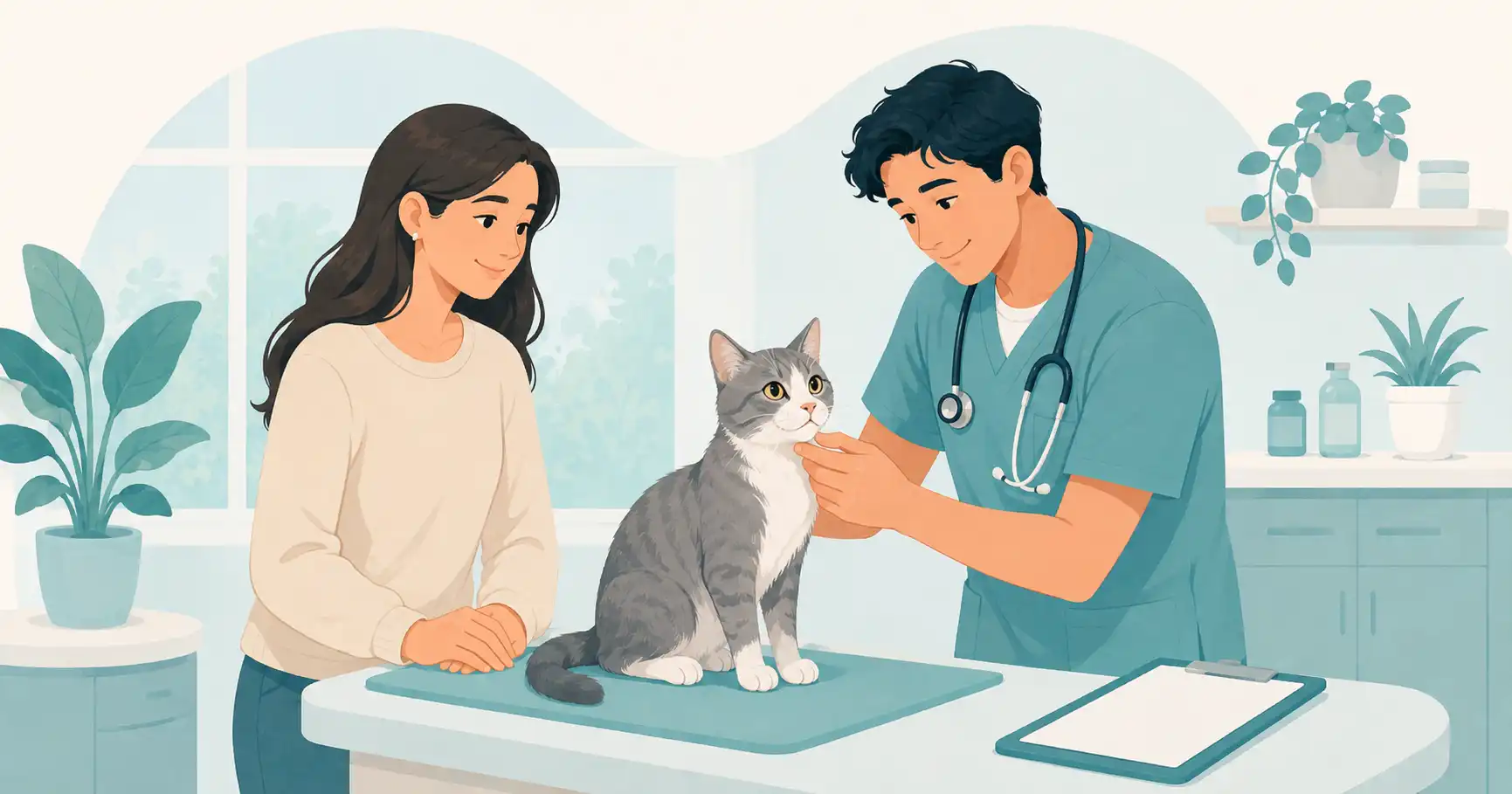
Regular veterinary examinations become increasingly important as cats age.
Senior cats have a higher risk of developing conditions such as:
- Kidney disease
- Hyperthyroidism
- Diabetes
- Arthritis
- Dental disease
- High blood pressure
- Heart disease
- Cancer
Because cats often hide illness, routine examinations and diagnostic testing can identify problems before obvious symptoms appear.
Your veterinarian may recommend:
- Physical examination
- Weight monitoring
- Dental assessment
- Blood testing
- Urine testing
- Blood pressure measurement
- Thyroid testing when appropriate
Senior veterinary care should be individualized according to the cat’s health and existing conditions.
Watch Your Cat’s Weight Closely
Weight changes can be an important early warning sign.
Unexpected weight loss may occur with conditions such as kidney disease, hyperthyroidism, diabetes, dental disease or other illnesses.
Watch for:
Ribs or spine becoming more noticeable
- Loss of muscle over the back or legs
- Eating normally but losing weight
- Reduced appetite
- Difficulty chewing
- Sudden weight gain
Weighing your cat regularly can help identify gradual changes that are difficult to notice simply by looking at them every day.
Pay Attention to Eating and Drinking
Changes in appetite or thirst should be taken seriously in an older cat.
Contact your veterinarian if your cat:
- Begins drinking much more water
- Urinates more frequently
- Eats more but loses weight
- Suddenly becomes a picky eater
- Stops eating
- Has difficulty chewing
- Begins vomiting frequently
These signs can occur with several common senior-cat health problems.
A cat that stops eating completely should be assessed promptly. Cats can develop serious complications when they go without adequate food for too long.
Senior Cat Nutrition
There is no single diet that is perfect for every senior cat.
The appropriate food depends on your cat’s:
- Weight
- Muscle condition
- Activity level
- Dental health
- Kidney function
- Other medical conditions
Some older cats need calorie control, while others require additional nutritional support to prevent weight and muscle loss.
If your cat has kidney disease, diabetes or another medical condition, your veterinarian may recommend a therapeutic diet designed specifically for that condition.
Watch for Arthritis and Mobility Changes
Arthritis is common in older cats but often goes unnoticed.
Cats usually do not show pain by crying or limping dramatically. Instead, they change their behaviour.
Possible signs include:
- Hesitating before jumping
- Jumping onto lower surfaces
- Difficulty climbing stairs
- Sleeping in easier-to-reach locations
- Reduced grooming
- Stiffness after resting
- Less interest in playing
- Irritability when touched
Pain management, weight control and changes to the home environment can make a significant difference.
Make Your Home Senior-Cat Friendly
Simple changes can help an older cat remain independent.
Consider:
- Providing low-entry litter boxes
- Placing food and water where they are easy to reach
- Adding steps or ramps to favourite furniture
- Providing warm, comfortable beds
- Using non-slip surfaces where needed
- Keeping essential resources on the same floor
- Providing multiple water bowls
If your cat has arthritis, avoid making them climb stairs every time they need food, water or a litter box.
Keep an Eye on Dental Health
Dental disease can become painful and interfere with eating.
Watch for:
- Bad breath
- Red or bleeding gums
- Heavy tartar
- Drooling
- Dropping food
- Chewing on one side
- Reduced appetite
- Pawing at the mouth
Senior cats should continue receiving dental examinations.
Age alone does not automatically mean a cat cannot undergo dental treatment. Your veterinarian will assess their overall health and anaesthetic risk before recommending a procedure.
Monitor Litter Box Habits
Changes in urination or bowel movements can provide important clues about your cat’s health.
Watch for:
- Urinating more frequently
- Larger amounts of urine
- Straining in the litter box
- Blood in the urine
- Constipation
- Diarrhoea
- Urinating outside the litter box
Sometimes an older cat stops using the litter box because arthritis makes climbing into a high-sided box uncomfortable.
However, medical causes should always be considered first.
Behaviour Changes in Senior Cats
Ageing cats may also develop behavioural changes.
You may notice:
- Increased nighttime vocalization
- Confusion
- Changes in sleep patterns
- Increased anxiety
- Reduced interaction
- Wandering around the home
- Forgetting familiar routines
These changes can sometimes occur with cognitive decline, but pain, thyroid disease, high blood pressure and other medical conditions can cause similar symptoms.
Have new behavioural changes evaluated by your veterinarian.
Keep Your Senior Cat Mentally Active
Older cats still benefit from play and enrichment.
Try:
- Short interactive play sessions
- Puzzle feeders
- Window viewing areas
- Gentle grooming
- Rotating familiar toys
- Easy-access scratching surfaces
- Regular interaction with family members
Activities may need to become gentler as mobility decreases, but senior cats still benefit from stimulation and routine.
When Should a Senior Cat See a Vet?
Arrange a veterinary examination if you notice:
- Unexplained weight loss
- Significant increase in thirst
- Appetite changes
- Repeated vomiting
- Difficulty jumping or walking
- Changes in litter box habits
- Difficulty breathing
- New lumps or swelling
- Significant behaviour changes
- Poor grooming
- Persistent hiding
Difficulty breathing, inability to urinate, collapse, seizures or severe weakness requires urgent veterinary attention.
Helping Your Senior Cat Stay Comfortable
Senior care is about maintaining your cat’s quality of life for as long as possible.
Focus on:
- Regular health checks
- Healthy body weight
- Appropriate nutrition
- Comfortable mobility
- Dental health
- Easy access to food, water and litter boxes
- Pain management when needed
- Mental stimulation
Small changes can make a significant difference to an ageing cat.
Is your cat entering their senior years? Book a senior wellness examination at Walker Lake Veterinary Centre. We can assess their weight, dental health, mobility and overall wellbeing and recommend care based on their changing needs. Call (587) 786-6771 or book online.
Senior Cat Care at Walker Lake Veterinary Centre
Walker Lake Veterinary Centre provides senior cat wellness examinations, diagnostic testing, dental care and ongoing health management for cats across Walker Lake, Summerside, Ellerslie, Heritage Valley and Southwest Edmonton.
Call us at (587) 786-6771 to book an appointment.
Frequently Asked Questions
When is a cat considered senior?
Cats are generally considered senior as they move beyond about 10 years of age, although individual health and ageing can vary.
Why is my senior cat losing weight?
Weight loss can occur with kidney disease, hyperthyroidism, diabetes, dental problems and several other conditions. Unexplained weight loss should be investigated.
Should senior cats still play?
Yes. Gentle play and mental stimulation help maintain activity and quality of life. Adjust activities to your cat’s mobility and comfort.
Why is my older cat drinking more water?
Increased thirst can occur with conditions such as kidney disease, diabetes and hyperthyroidism. Arrange a veterinary examination if the change is persistent.
Does my senior cat need special food?
Not necessarily. The best diet depends on your cat’s weight, muscle condition and medical needs rather than age alone.