Arthritis is one of the most common causes of chronic pain and reduced mobility in older dogs. It develops when the structures within a joint gradually deteriorate, leading to inflammation, stiffness and discomfort.
Many owners first notice that their senior dog is slowing down, taking longer to stand or becoming reluctant to climb stairs. These changes are sometimes dismissed as normal ageing, but they can be signs of treatable joint pain.
Although arthritis cannot usually be cured, a combination of veterinary treatment, healthy weight management, appropriate exercise and changes around the home can significantly improve your dog’s comfort and quality of life.
If your senior dog is showing signs of joint pain or reduced mobility, contact Walker Lake Veterinary Centre at (587) 786-6771 for an assessment.
Slowing down is not always simply part of getting older. Senior dogs with arthritis may gradually change how they move and behave to avoid painful activities.
What Is Arthritis in Dogs?
The most common form of arthritis in dogs is osteoarthritis, also called degenerative joint disease.
Healthy joints contain smooth cartilage that allows the bones to move comfortably against each other. With osteoarthritis, cartilage and other joint structures gradually deteriorate, resulting in inflammation, stiffness and pain.
Arthritis may affect one or several joints, including the:
- Hips
- Knees
- Elbows
- Shoulders
- Spine
- Wrists and ankles
Older dogs are commonly affected, but arthritis can begin earlier in dogs with previous injuries, joint abnormalities or conditions such as hip dysplasia.
Signs of Arthritis in Senior Dogs
Arthritis often develops gradually, so the early signs can be easy to miss.
Watch for:
- Difficulty getting up after sleeping
- Stiffness after resting
- Limping
- Walking more slowly
- Reluctance to climb stairs
- Difficulty jumping into the car
- Reduced interest in walks
- Less enthusiasm for play
- Licking or chewing around painful joints
- Irritability when touched
- Sleeping more than usual
- Loss of muscle around the legs
Some dogs may still run or play when excited but become noticeably stiff later that day or the following morning.
What Causes Arthritis in Dogs?
Several factors can increase the likelihood of arthritis.
These include:
- Age
- Previous joint injuries
- Hip or elbow dysplasia
- Cruciate ligament injuries
- Being overweight
- Poor joint development
- Repetitive stress
- Certain breed-related joint problems
Large and giant breeds may be particularly susceptible to some orthopedic conditions that eventually contribute to arthritis.
How Is Dog Arthritis Diagnosed?
Your veterinarian will begin by discussing the changes you have noticed at home and examining your dog’s movement and joints.
Assessment may include:
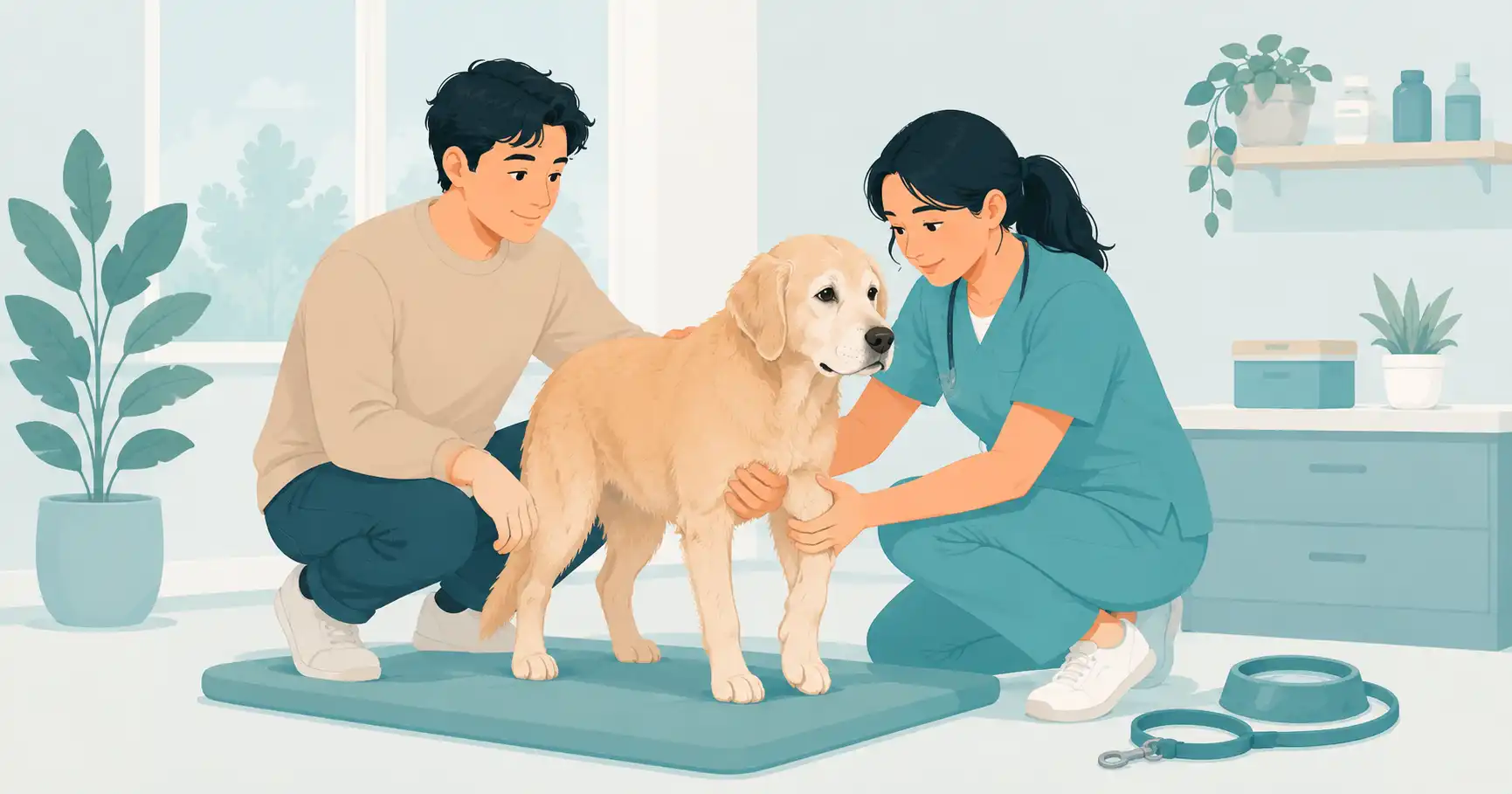
- Watching your dog walk
- Checking joint range of motion
- Feeling for swelling or discomfort
- Assessing muscle loss
- Checking body weight and condition
- Reviewing previous injuries
- X-rays when appropriate
Videos of your dog walking, getting up or climbing stairs at home can also be useful because some mobility problems may be less obvious during a clinic visit.
Can Arthritis in Senior Dogs Be Treated?
Arthritis usually requires ongoing management rather than a single treatment.
Current veterinary guidance supports a multimodal approach, meaning several methods are combined to control pain and maintain mobility.
The treatment plan will depend on your dog’s health, weight, severity of arthritis and other medical conditions.
Maintain a Healthy Weight
Weight management is one of the most important parts of arthritis care.
Extra body weight increases the load placed on painful joints with every step.
For overweight dogs, gradual weight loss can reduce joint stress and improve mobility.
Your veterinarian can help determine:
- Your dog’s ideal weight
- Appropriate daily calories
- Portion sizes
- Suitable food
- Safe weight-loss goals
Avoid crash diets. Senior dogs still need adequate nutrition and protein to maintain muscle.
Keep Your Dog Moving
Dogs with arthritis still need exercise.
Complete inactivity can lead to:
- Muscle loss
- Increased stiffness
- Reduced joint mobility
- Weight gain
- Further difficulty moving
Instead, choose controlled, low-impact activity.
Helpful options may include:
- Shorter daily walks
- Several brief walks instead of one long walk
- Gentle controlled exercise
- Swimming where appropriate
- Veterinary rehabilitation exercises
Consistency is usually better than occasional intense exercise.
A dog that does very little during the week and then goes on a long weekend hike may become significantly more painful afterward.
Prescription Pain Management
Many dogs with arthritis benefit from veterinary pain medication.
Your veterinarian will choose treatment based on your dog’s overall health and may recommend blood testing before or during long-term medication use.
Never give your dog human pain medication without veterinary direction.
Human medications such as ibuprofen, naproxen and acetaminophen can be dangerous or potentially fatal to dogs. Only give pain medication prescribed or specifically approved by your veterinarian.
Joint Supplements and Nutrition
Some dogs may benefit from nutritional support as part of a broader arthritis management plan.
Your veterinarian may discuss products containing ingredients such as:
- Omega-3 fatty acids
- Glucosamine
- Chondroitin
- Other veterinary joint-support ingredients
Omega-3 fatty acids are among the nutritional approaches used to support dogs with osteoarthritis.
Supplements should complement veterinary treatment rather than replace appropriate pain management.
Physical Rehabilitation
Veterinary rehabilitation can help some dogs maintain strength, balance and mobility.
Depending on the individual dog, rehabilitation may include:
- Controlled strengthening exercises
- Range-of-motion exercises
- Hydrotherapy
- Balance work
- Massage or manual therapy
- Other veterinary rehabilitation techniques
The goal is to maintain muscle and movement without placing excessive stress on painful joints.
Make Your Home Easier to Navigate
Small changes around the home can make daily life much easier for an arthritic dog.
- Put rugs or runners on slippery floors
- Use ramps for vehicles or stairs
- Provide supportive bedding
- Keep food and water easily accessible
- Limit unnecessary stair climbing
- Keep nails properly trimmed
- Use a supportive harness when needed
- Create a warm, comfortable sleeping area
Better traction is particularly important because dogs with weak or painful legs may struggle on hardwood or tile floors.
AAHA senior-care guidance specifically recommends environmental modifications such as ramps, improved traction and supportive bedding for pets with mobility limitations.
Arthritis and Edmonton Winters
Cold weather does not cause arthritis, but some owners notice that their senior dogs appear stiffer or less willing to exercise during Edmonton’s colder months.
During winter:
- Keep walks appropriate for your dog’s mobility
- Avoid slippery ice where possible
- Consider paw protection when conditions require it
- Keep your dog warm
- Continue regular controlled activity indoors when outdoor exercise is limited
Long periods of inactivity can contribute to stiffness and muscle loss.
How Do You Know If Arthritis Treatment Is Working?
Monitor your dog’s everyday activities rather than focusing only on whether they limp.
Improvement may look like:
- Getting up more easily
- Walking farther comfortably
- Returning to favourite activities
- Sleeping comfortably
- Climbing stairs more confidently
- Showing more interest in play
- Becoming more social
Taking occasional videos of your dog performing the same activities can make changes easier to compare over time.
When Should an Arthritic Dog See the Vet?
Arrange an examination if your dog develops new or worsening mobility problems.
Seek veterinary attention if you notice:
- Sudden inability to use a leg
- Severe pain
- Significant swelling
- Inability to stand
- Rapidly worsening weakness
- Loss of appetite associated with pain
- Sudden difficulty walking
A sudden limp should not automatically be assumed to be arthritis. Injuries and other orthopedic or neurological problems can produce similar symptoms.
Is your senior dog slowing down, struggling with stairs or showing signs of joint pain? Book an arthritis and mobility assessment at Walker Lake Veterinary Centre. Call (587) 786-6771 or book online. We are located at 5109 22 Avenue SW in Southwest Edmonton.
Arthritis Care at Walker Lake Veterinary Centre
Walker Lake Veterinary Centre provides senior wellness examinations, mobility assessments and ongoing pain-management guidance for dogs across Walker Lake, Summerside, Ellerslie, Heritage Valley and Southwest Edmonton.
Our team can help develop an arthritis management plan based on your dog’s mobility, weight, health and individual needs.
Call us at (587) 786-6771 to book an appointment.
Frequently Asked Questions
Can arthritis in dogs be cured?
Arthritis is usually a chronic condition and cannot be completely reversed, but treatment can reduce pain and help maintain mobility and quality of life.
Should dogs with arthritis still go for walks?
Yes. Regular controlled exercise helps maintain muscle strength and mobility. The length and intensity should be adjusted to your dog’s comfort.
How can I tell if my senior dog is in pain?
Signs include stiffness, difficulty standing, reluctance to climb stairs, reduced activity, changes in behaviour and avoiding activities your dog previously enjoyed.
Does losing weight help dog arthritis?
Yes. If your dog is overweight, achieving a healthier weight reduces the load placed on painful joints.
Can I give my dog human pain medication?
No. Several common human pain medications can be highly toxic to dogs. Always speak with your veterinarian before giving any medication.