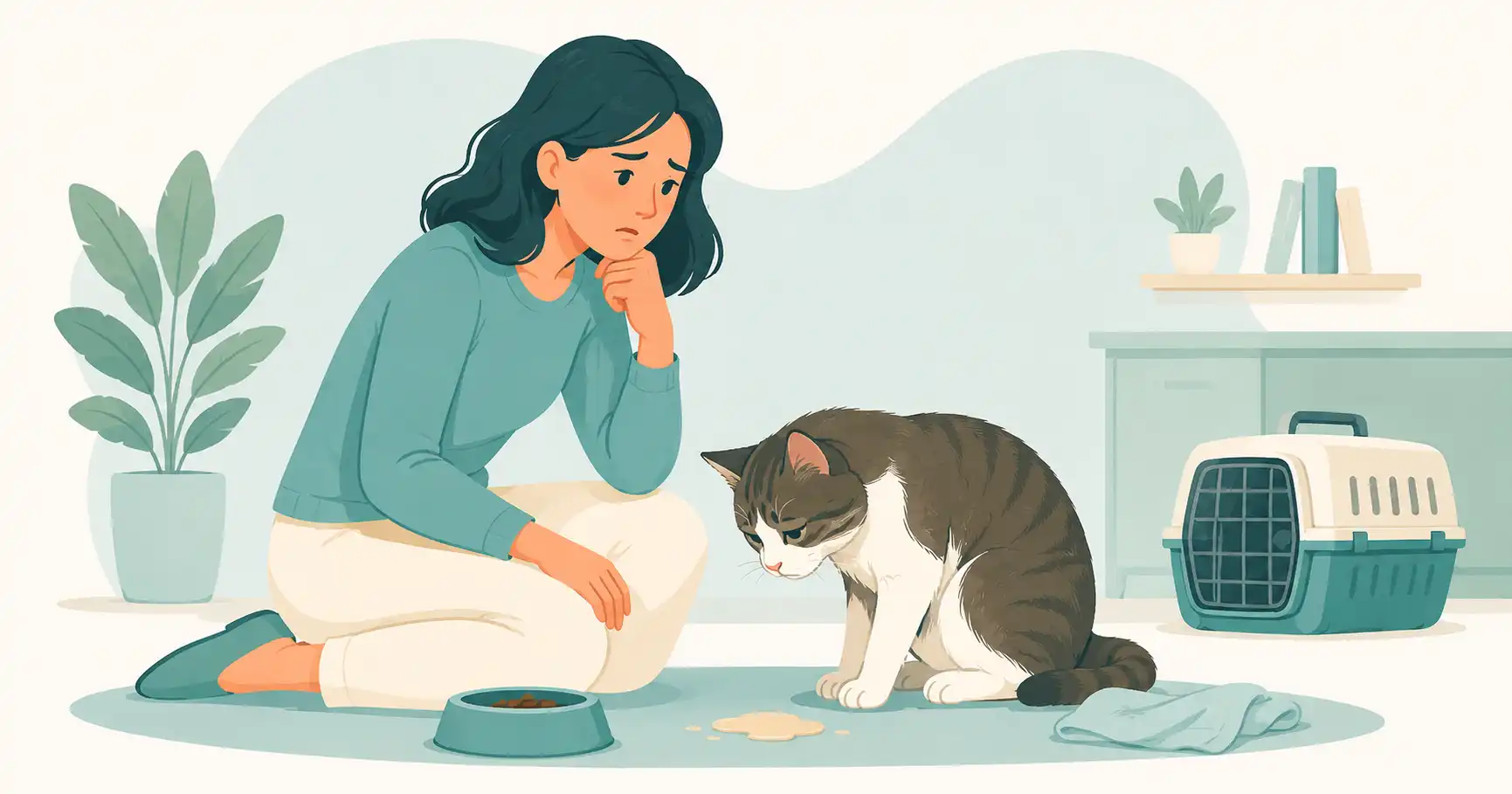
Inappropriate elimination — urinating or defecating outside the litter box — is one of the most common and most frustrating problems cat owners face. It is also one of the most common reasons cats are surrendered to shelters. The critical point that is often missed is that inappropriate elimination is almost always a symptom of something that can be addressed — not a character flaw or deliberate misbehaviour.
Before any behavioural intervention is considered, a medical cause must be ruled out. A cat that suddenly stops using the litter box is communicating that something is wrong — the question is whether that something is medical, environmental, or behavioural. If your cat has begun eliminating outside the litter box, contact Walker Lake Veterinary Centre at (587) 786-6771 for an assessment.
Cats do not urinate outside the litter box out of spite or to punish their owners. This is a common misconception that leads to frustration and inappropriate responses. Inappropriate elimination is always a signal that the cat is experiencing a medical problem, discomfort, stress, or a litter box issue that needs to be identified and addressed.
Medical Causes — Always Investigate First
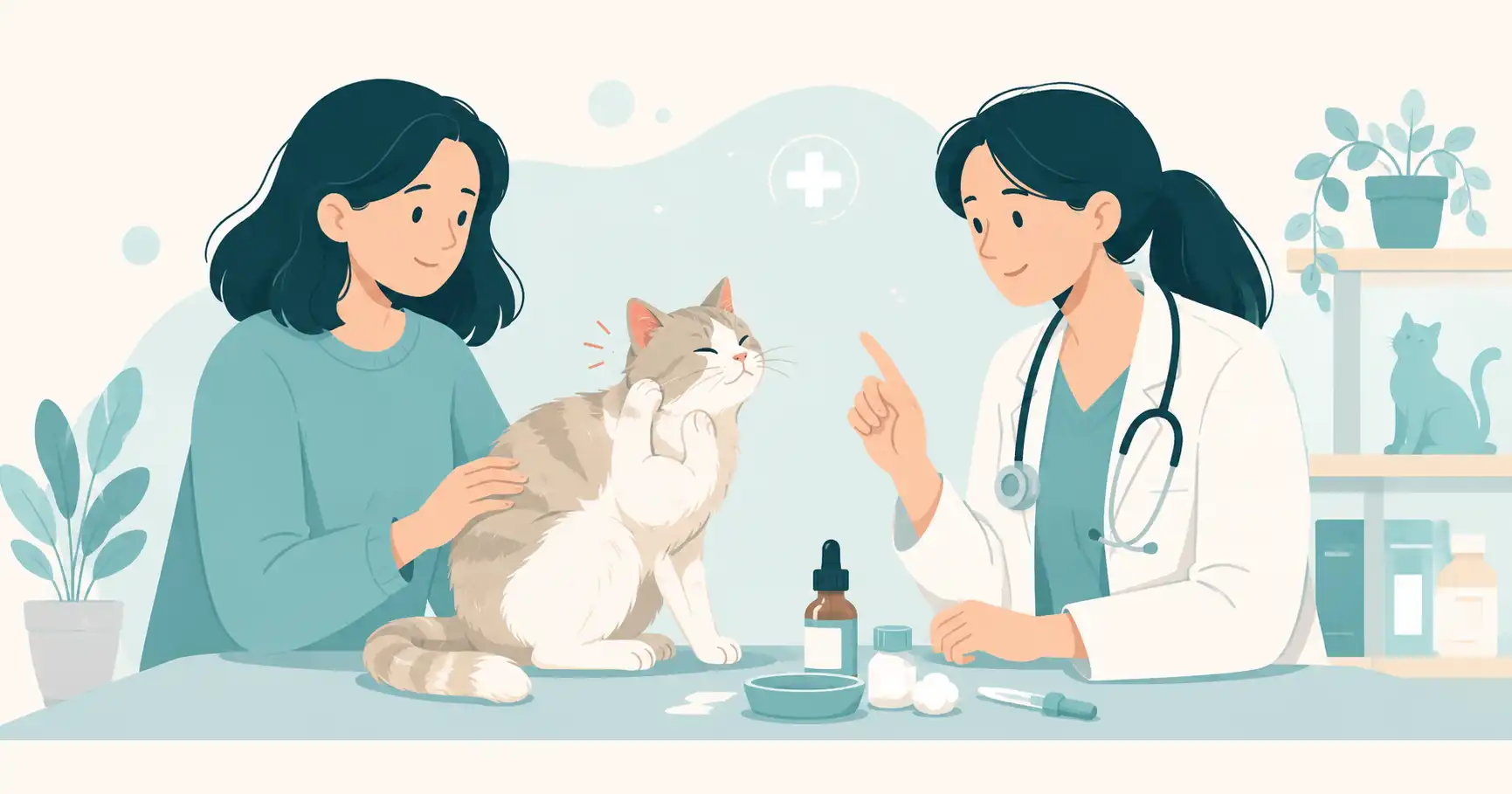
A cat that has previously used the litter box reliably and suddenly begins eliminating elsewhere should be assessed by a veterinarian before any behavioural intervention is attempted. Several common medical conditions cause inappropriate elimination — treating the behaviour without treating the underlying condition is ineffective and delays appropriate care.
Feline Lower Urinary Tract Disease — FLUTD
The most common medical cause of inappropriate urination in cats. Conditions including feline idiopathic cystitis, urolithiasis, and urethral obstruction cause pain and urgency during urination. The cat associates the litter box with pain and begins avoiding it — seeking other locations in an attempt to urinate without the same discomfort.
Signs that inappropriate urination is medically driven include:
- Frequent trips to the litter box or other locations with small urine volumes
- Blood in the urine — urine appears pink or red
- Straining to urinate
- Vocalising or showing distress while attempting to urinate
- Urinating in cool, smooth surfaces — sinks, bathtubs, tiles — which feel soothing against inflamed tissue
Urinary Tract Infection
Bacterial UTIs cause urgency, frequency, and discomfort that can lead to inappropriate urination. While less common in cats than dogs, UTIs do occur — particularly in older cats and those with underlying health conditions.
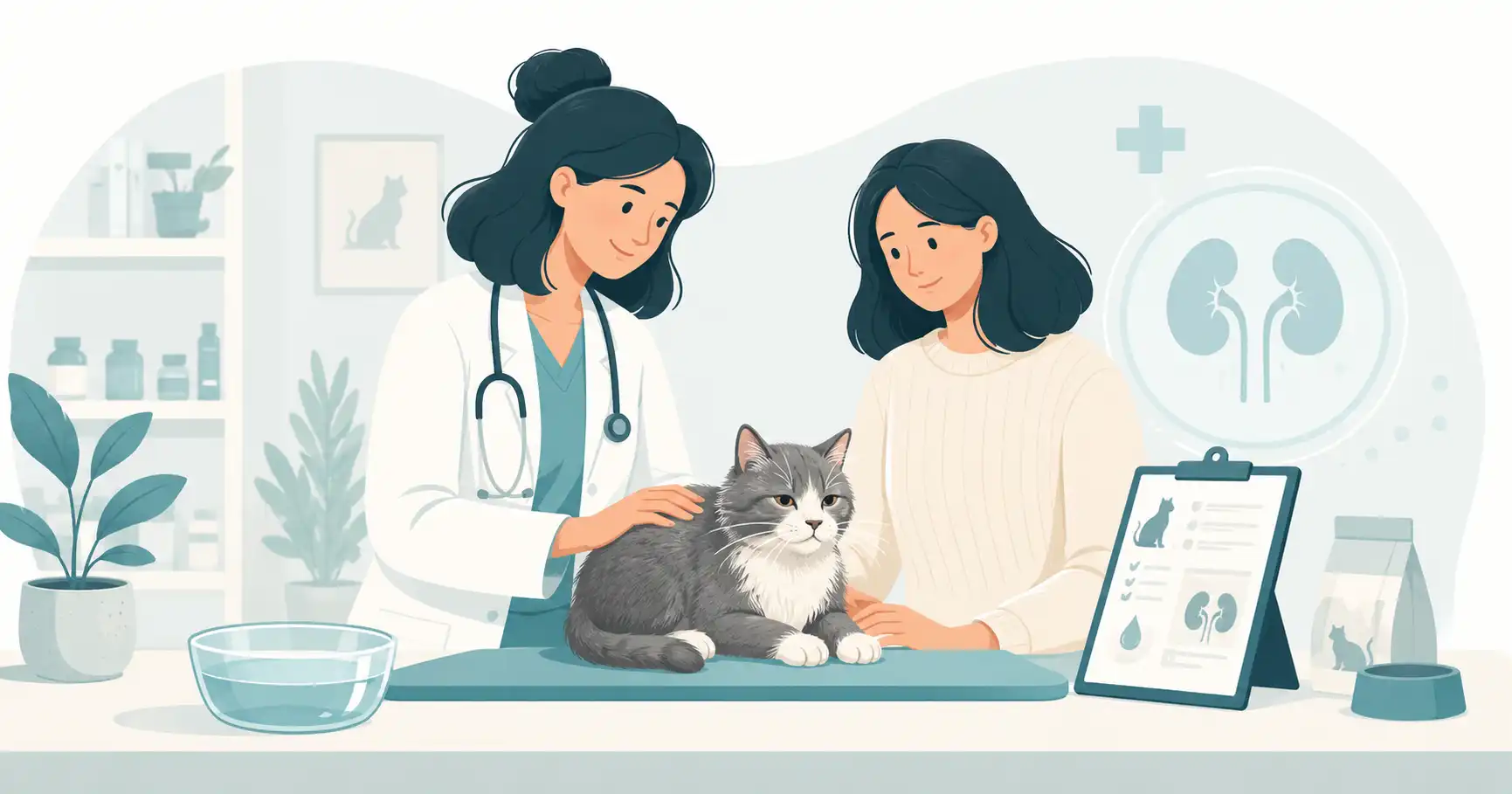
Kidney Disease
Cats with chronic kidney disease produce large volumes of dilute urine and need to urinate more frequently. If the litter box is not immediately accessible or is not cleaned frequently enough to accommodate the increased volume, the cat may begin eliminating elsewhere.
Diabetes Mellitus
Diabetic cats produce large volumes of glucose-rich urine and urinate very frequently. The same dynamic applies as with kidney disease — increased urinary frequency combined with urgency can lead to inappropriate elimination.
Hyperthyroidism
Increased metabolic rate and gastrointestinal motility in hyperthyroid cats can cause loose stools and increased defecation frequency, leading to inappropriate defecation outside the box.
Arthritis and Mobility Issues
An older cat with arthritis may struggle to climb into a litter box with high sides or to access a litter box that requires navigating stairs. The cat may find it easier to eliminate wherever they are when the urge strikes rather than make the painful journey to the litter box. This is a commonly overlooked medical cause of inappropriate elimination in senior cats.
Constipation
A constipated cat straining unsuccessfully in the litter box may begin associating the box with discomfort and seek alternative locations. Alternatively, a cat that passes a painful stool may avoid the box subsequently.
Cognitive Dysfunction Syndrome
The feline equivalent of dementia — cognitive dysfunction syndrome (CDS) — affects older cats and causes disorientation, confusion, and forgetting established routines including litter box use. CDS-related inappropriate elimination is typically characterised by a cat that appears confused and eliminates seemingly at random without seeking out the litter box.
Litter Box Issues
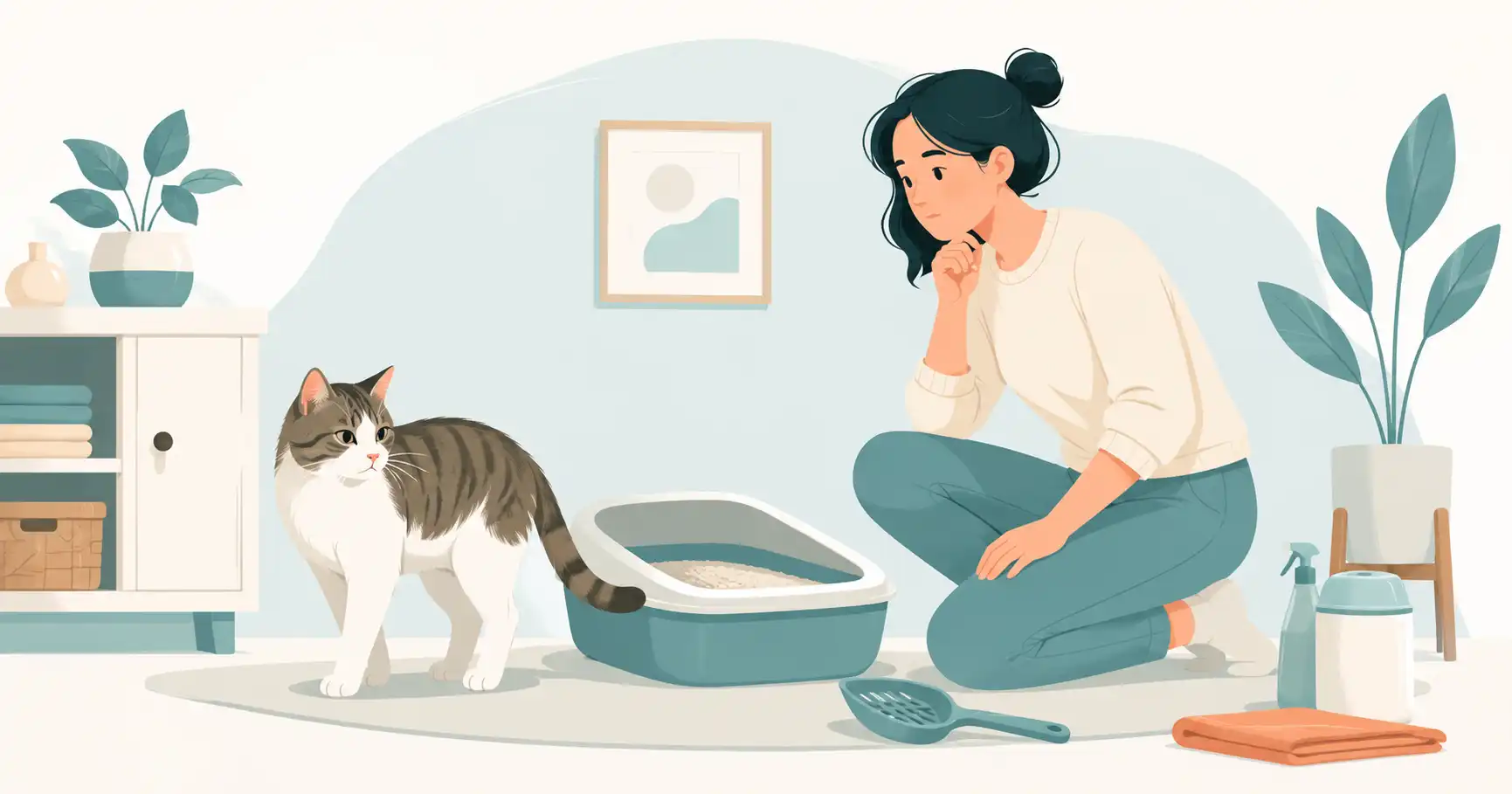
After medical causes, litter box management problems are the most common reason cats eliminate inappropriately. Cats have specific preferences and aversions regarding their toilet facilities — failing to meet these needs leads to avoidance.
Insufficient Number of Litter Boxes
The standard recommendation is one litter box per cat plus one additional — so two cats need three boxes, three cats need four boxes, and so on. Insufficient boxes lead to competition in multi-cat households and boxes that become soiled faster than the cat finds acceptable.
Inadequate Cleaning Frequency
Cats are fastidious animals with a highly developed sense of smell. A litter box that a human might consider acceptably clean may be intolerable to a cat. Ideally, litter boxes should be scooped at least once daily and completely emptied and washed weekly. A cat that begins eliminating beside the box — rather than in it — is often telling the owner the box needs more frequent cleaning.
Box Location
Cats prefer to eliminate in quiet, private locations away from high-traffic areas, loud appliances, and their food and water. A litter box placed next to a washing machine, in a busy hallway, or adjacent to the feeding station may be avoided.
In multi-cat households, litter boxes should not all be clustered in one location — a dominant cat can guard a single location and prevent subordinate cats from accessing any box.
Box Size and Type
Many commercially available litter boxes are too small for adult cats. A litter box should be at least 1.5 times the length of the cat from nose to tail base. Covered boxes — while aesthetically preferred by many owners — trap odours and may be avoided by odour-sensitive cats or cats with respiratory issues.
For senior or arthritic cats, high-sided boxes create a physical barrier to entry. A box with one low-sided entry point — or a shallow storage container — is more accessible.
Litter Type and Depth
Cats develop preferences for specific litter textures — often established early in life. Abrupt changes to a new litter type can cause avoidance. Common preferences include:
- Unscented, fine-grain clumping litter — the most widely preferred by cats in research studies
- Avoid strongly scented litters — what smells pleasant to humans is often overwhelming and aversive to cats
- Maintain approximately 5cm depth — cats prefer sufficient depth to scratch and cover
Behavioural Causes
Once medical causes and litter box management issues have been addressed, remaining inappropriate elimination may have a behavioural basis — though this is a diagnosis of exclusion.
Stress and Anxiety
Stress is a powerful trigger for inappropriate elimination in cats. Any significant change in the cat’s environment or social situation can precipitate this behaviour:
- Moving house
- New family members — human or animal
- Changes in owner routine
- Building work or renovation
- New pets visible outside the home
- Loss of a companion animal
- Changes in household composition
Stress-related inappropriate elimination often involves spraying — the cat backs up to a vertical surface and deposits a small amount of urine — rather than the full crouch and void of normal urination. Spraying is a territorial marking behaviour driven by social or environmental stress.
Urine Marking and Spraying
Spraying is distinct from inappropriate urination — it is a communication behaviour rather than a toileting failure. Both intact and neutered cats spray, though it is significantly more common in intact males. Spraying is typically triggered by perceived territorial threats — an outdoor cat visible through a window, a new cat in the home, or social tension between household cats.
Identifying and reducing the territorial trigger is the primary management approach alongside appropriate cleaning of marked areas with enzymatic cleaners.
Location and Surface Preferences
Some cats develop preferences for eliminating on specific surfaces or in specific locations — soft surfaces (clothing, bedding, carpet), cool smooth surfaces (tiles, bathtubs), or particular rooms. Once established, these preferences can persist even after the original trigger is resolved.
Negative Litter Box Associations
A cat that experienced pain, fright, or ambush in or near the litter box — from another cat, a loud noise, or a painful urination episode — may develop a lasting negative association with the box and avoid it subsequently.
Diagnosing the Cause
Veterinary Assessment
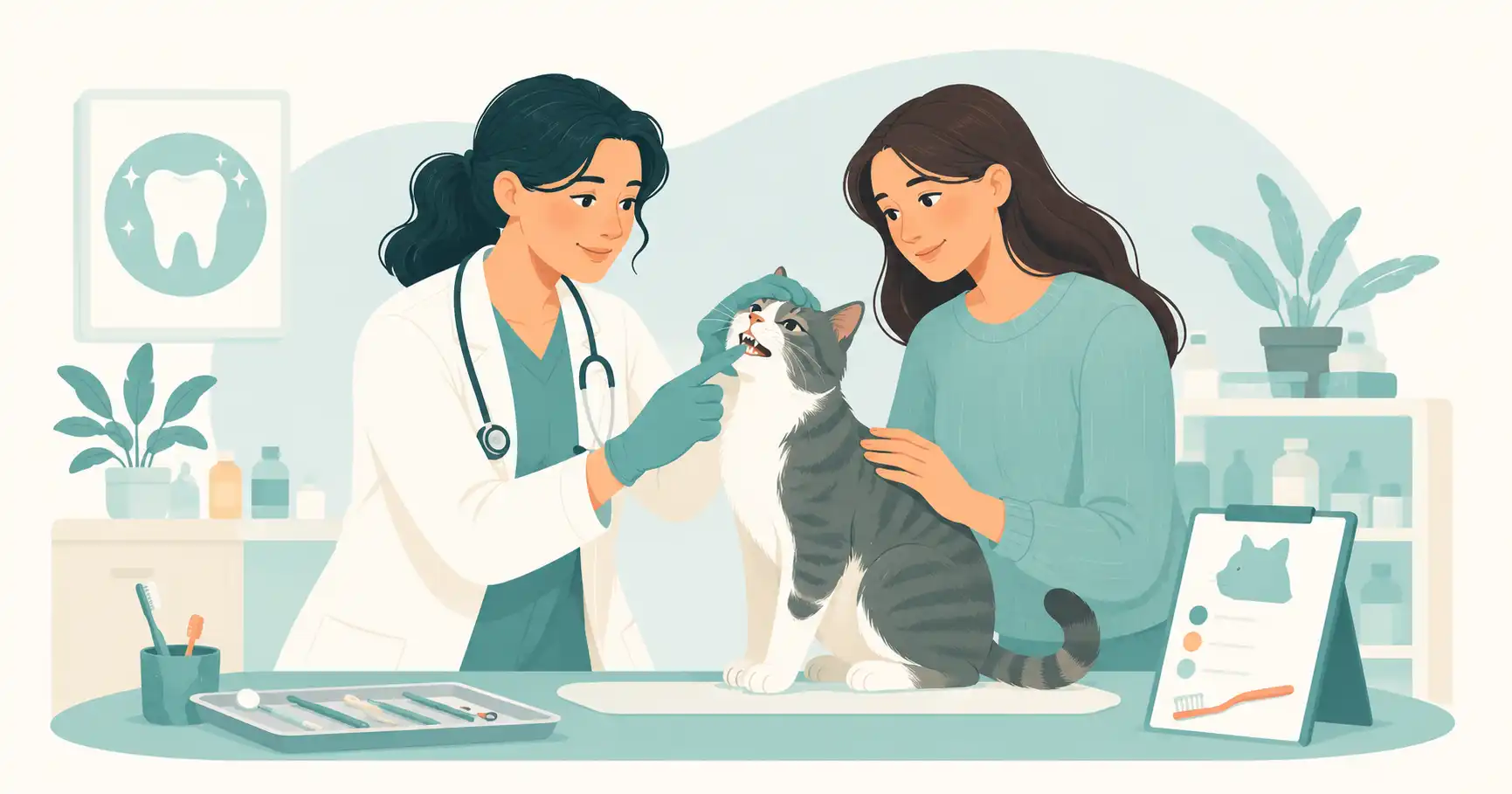
A thorough physical examination, urinalysis, urine culture, and bloodwork assess for medical causes. In older cats, thyroid function and kidney values are priorities. Abdominal palpation and imaging may be indicated depending on the clinical picture.
Detailed History
The pattern of inappropriate elimination provides diagnostic information:
- Is the cat urinating, defecating, or both outside the box?
- Is the elimination a full void or small amounts?
- Is it on horizontal or vertical surfaces?
- When did it start and what changed around that time?
- How many litter boxes are in the home and how often are they cleaned?
- Are there other cats in the household?
Video Recording
Video of the behaviour — captured on a phone or home camera — can provide valuable information. Seeing whether the cat is crouching normally or backing up to spray, whether they are straining or voiding freely, and what surfaces they are targeting helps distinguish between toileting failure, medical urgency, and marking behaviour.
Solutions and Management
Treat Medical Causes First
Any identified medical condition must be treated before behavioural modification is attempted. A cat with painful cystitis will not consistently use the litter box regardless of how optimal the box setup is. Resolving the medical issue often resolves the inappropriate elimination without further intervention.
Optimise Litter Box Setup
- Provide sufficient boxes — one per cat plus one extra minimum
- Scoop at least once daily — twice daily in multi-cat households
- Complete wash and litter replacement weekly
- Use large, uncovered boxes — at least 1.5 times the cat’s body length
- Place boxes in quiet, private, accessible locations — not all in the same spot
- Use unscented, fine-grain clumping litter
- Maintain adequate depth — approximately 5cm
- For senior cats — provide low-entry boxes accessible without climbing
Reduce Stress
Environmental modification to reduce feline stress:
- Provide adequate resources for each cat — separate feeding stations, water bowls, beds, and litter boxes in different locations
- Create vertical space — cat trees, shelves — allowing cats to avoid conflict
- Use synthetic feline pheromone diffusers — Feliway Classic for general stress, Feliway MultiCat for inter-cat tension
- Block visual access to outdoor cats that trigger territorial behaviour — frosted window film on lower panes
- Provide environmental enrichment — puzzle feeders, play sessions, window perches
- Maintain a consistent, predictable routine
Clean Soiled Areas Thoroughly
Residual urine odour — imperceptible to humans but clearly detectable to cats — marks locations as appropriate elimination sites and encourages repeat use. Use an enzymatic cleaner specifically designed for pet urine — these break down the odour-causing compounds rather than simply masking them. Standard household cleaners and ammonia-based products are ineffective and can worsen the problem.
After cleaning, temporarily restrict the cat’s access to previously soiled areas while redirecting them to appropriate litter box locations.
Making Soiled Areas Unattractive
Once cleaned, making the previously soiled area unattractive discourages return:
- Place the cat’s food bowl at the soiled location — cats rarely eliminate where they eat
- Cover with aluminium foil or double-sided tape — cats dislike these textures underfoot
- Use a commercial cat deterrent spray
Medication
For cats with significant anxiety-driven inappropriate elimination — particularly spraying — medication may be indicated alongside environmental management:
- Fluoxetine — an SSRI antidepressant effective for anxiety-related elimination problems
- Clomipramine — a tricyclic antidepressant with anti-anxiety properties
- Gabapentin — for situational anxiety
- Synthetic pheromone products — Feliway diffusers and sprays
Medication is not a permanent solution on its own — it is most effective when combined with environmental management and addressing the underlying trigger.
Neutering
Intact male cats spray significantly more than neutered males. Neutering reduces spraying in approximately 90% of intact male cats. If an intact cat is spraying, neutering should be discussed as a priority.
If your cat has started eliminating outside the litter box, book an assessment at Walker Lake Veterinary Centre to rule out medical causes first. Call (587) 786-6771 or book online. Located at 5109 22 Avenue SW, Southwest Edmonton.
Book an Appointment at Walker Lake Veterinary Centre
Walker Lake Veterinary Centre provides medical assessment, urinalysis, behavioural guidance, and comprehensive support for cats with litter box problems across Walker Lake, Summerside, Ellerslie, Heritage Valley, and Southwest Edmonton.
Call us at (587) 786-6771 or book online. We are located at 5109 22 Avenue SW, Edmonton.
Clinic hours:
- Monday, Tuesday & Thursday: 9:00 AM – 7:00 PM
- Wednesday & Friday: 9:00 AM – 6:00 PM
- Saturday: 9:00 AM – 3:00 PM
- Sunday: Closed
Frequently Asked Questions
Why did my cat suddenly stop using the litter box?
Sudden onset inappropriate elimination in a cat with previously reliable litter box habits almost always has a specific trigger — most commonly a medical condition such as cystitis or UTI, a stressful environmental change, or a litter box management issue. Veterinary assessment is the first step. Identifying and addressing the specific trigger is more effective than attempting to correct the behaviour in isolation.
Is my cat urinating outside the box out of spite?
No. Cats do not have the cognitive framework for spite — they do not plan deliberate acts of revenge. Inappropriate elimination is always driven by a medical problem, discomfort, stress, or a litter box issue. Responding with punishment makes the problem significantly worse by increasing the cat’s anxiety and creating negative associations with the litter box and the owner.
My cat uses the litter box for defecation but not urination — why?
This pattern is common in cats with lower urinary tract problems — cystitis, uroliths, or UTI — that associate the box with the pain of urination specifically. It can also occur when the box is not clean enough for urination — cats have higher standards for urination hygiene than defecation in many cases. Veterinary assessment for urinary disease is the first step.
How do I stop my cat from spraying?
Identify and reduce the territorial trigger — most commonly an outdoor cat visible through windows or social tension between household cats. Use enzymatic cleaner on all marked areas. Install synthetic feline pheromone diffusers. Block visual access to outdoor cats. Ensure adequate resources and space for each cat in the household. Discuss medication with your veterinarian if environmental measures are insufficient.
Will the problem resolve once the medical issue is treated?
In many cases yes — resolving the underlying medical cause removes the trigger for inappropriate elimination and the cat returns to normal litter box use. In some cases — particularly if the behaviour has been established for a long time — a learned preference for the alternative location may persist even after medical resolution. In these cases, additional management steps including thorough cleaning of soiled areas and litter box optimisation are needed.