Hot spots are one of those conditions that can appear to develop out of nowhere — a dog that seemed fine in the morning can have a significant, weeping skin lesion by the afternoon. They are intensely uncomfortable, can spread rapidly, and tend to recur in dogs with underlying predisposing conditions unless the root cause is identified and addressed.
If your dog has developed a raw, moist, red patch of skin, contact Walker Lake Veterinary Centre at (587) 786-6771 for an assessment. Early treatment produces significantly better outcomes than waiting for the lesion to worsen.
Hot spots are medically referred to as acute moist dermatitis or pyotraumatic dermatitis. The term pyotraumatic reflects their cause — self-inflicted trauma (scratching, licking, chewing) combined with bacterial infection creates the characteristic wet, inflamed lesion.
What Is a Hot Spot?
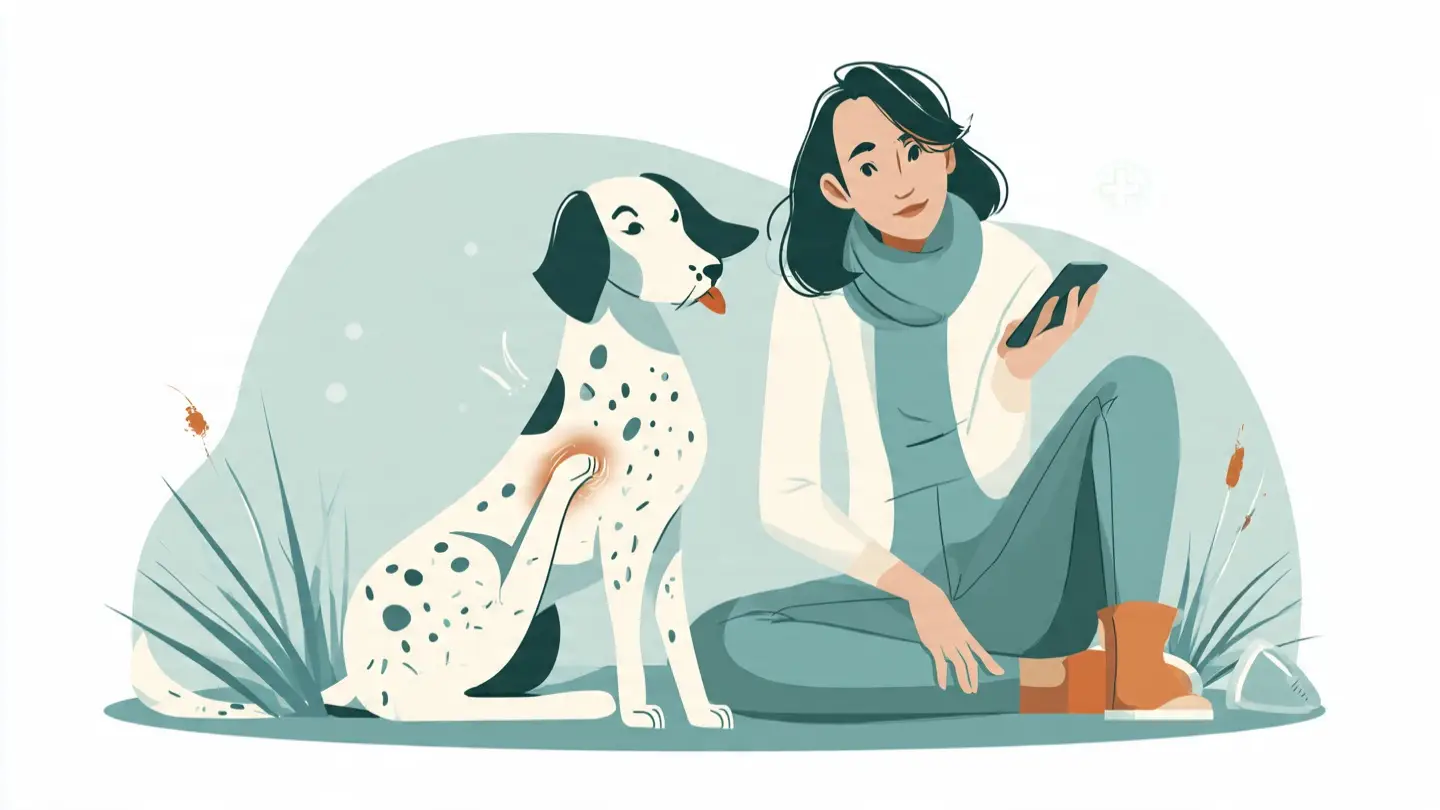
A hot spot is a localised area of acute, intensely inflamed, moist skin. It develops when a dog focuses on a specific area — scratching, licking, or chewing — often in response to an itch, pain, or irritation at that site. The self-trauma damages the skin surface, bacteria colonise the broken skin, and the resulting infection produces more inflammation and itching — creating a rapidly escalating cycle.
The lesion typically has well-defined edges, a raw or weeping surface, and matted hair overlying it. The surrounding skin is red and inflamed. Hot spots are warm to the touch — hence the colloquial name — and are often painful when touched.
What Causes Hot Spots?
Hot spots rarely occur in healthy skin without a trigger. Understanding what initiated the cycle of self-trauma is essential to preventing recurrence.
Allergies
The most common underlying cause of recurrent hot spots. Environmental allergies and food allergies cause chronic, widespread itching that drives the dog to focus on specific areas — often the face, ears, flanks, and base of the tail. Dogs with allergies that cause ear infections often develop hot spots around the ear and side of the face from the discomfort.
Flea Allergy Dermatitis
A single flea bite triggers intense, prolonged itching in flea-allergic dogs. The base of the tail, lower back, and inner thighs are the classic sites for flea allergy dermatitis — and hot spots in these locations frequently indicate flea allergy even when no fleas are visible. Year-round flea prevention is essential for flea-allergic dogs.
Ear Infections
Dogs with painful or itchy ear infections often scratch vigorously at the side of the head and neck, creating hot spots around the ear and along the jaw. A hot spot near the ear should always prompt examination of the ear canal.
Anal Gland Problems
Discomfort from full or infected anal glands causes dogs to lick and bite at their hindquarters and base of the tail — a common trigger for hot spots in the perianal and tail base region.
Moisture Trapped in the Coat
Moisture trapped under a thick or double coat — from rain, swimming, or bathing — creates a warm, moist environment on the skin surface that allows bacteria to proliferate rapidly. This is why hot spots are particularly common in heavy-coated breeds and in wet weather. Edmonton’s summer rainfall combined with heavily coated breeds creates the ideal conditions for moisture-triggered hot spots.
Contact Irritation
Repetitive contact with an irritating surface — a tight collar, a harness that rubs, a rough sleeping surface — can trigger the initial self-trauma that leads to a hot spot.
Boredom and Stress
Dogs that are bored, anxious, or under-stimulated sometimes develop compulsive licking behaviour — focusing on one area of the body until skin damage occurs. The hindlimbs and flanks are common sites for stress-related licking.
Minor Wounds and Insect Bites
A small wound, insect sting, or bite can trigger focused licking that escalates into a hot spot if not disrupted early.
Which Dogs Are Most Affected?
Hot spots can develop in any dog but are significantly more common in:
- Heavy-coated and double-coated breeds — Golden Retrievers, Labrador Retrievers, German Shepherds, Saint Bernards, Newfoundlands, Bernese Mountain Dogs
- Dogs with allergies — any breed prone to atopic dermatitis or food allergy
- Dogs that swim or are bathed frequently without thorough drying
- Overweight dogs — excess skin folds trap moisture
- Dogs with untreated ear infections or anal gland disease
- Anxious or bored dogs with compulsive licking tendencies
Signs and Symptoms
Appearance
- A well-defined, roughly circular patch of raw, moist, weeping skin
- Red, inflamed surrounding skin
- Matted, stuck-down hair over the lesion — often the first visible sign before the full extent is apparent
- Variable size — from a small coin-sized area to a lesion covering a large portion of the flank or neck
- A distinct boundary between the lesion and normal skin
Location
Hot spots can develop anywhere on the body but are most common at:
- The side of the face and neck — often associated with ear infections
- The top of the hindquarters and base of the tail — often associated with flea allergy or anal gland problems
- The flanks and sides — often associated with moisture or allergies
- Under the neck and chest — common in heavy-coated breeds after swimming
Behaviour
- Persistent licking, chewing, or scratching at the site
- Visible distress — the dog may be frantic in their attempts to reach the lesion
- Guarding the area — growling or pulling away when the lesion is approached
- Changes in posture — attempting to reach the affected site constantly
⚠️ Hot spots can double in size within hours if left untreated. A small area of matted, moist fur that appears today can become a large, infected lesion by tomorrow. Early assessment and treatment prevents this rapid progression.
Diagnosing Hot Spots
The diagnosis is typically made on clinical examination — the characteristic appearance, location, and history are usually sufficient. However, the veterinarian will also assess for the underlying trigger:
- Examining the ear canals for infection
- Assessing the anal glands
- Evaluating the distribution of any other skin changes for evidence of allergy
- Asking about flea prevention status and history of swimming or bathing
- Performing skin cytology — a swab from the lesion surface examined microscopically to identify the bacteria present and guide antibiotic selection
Treating Hot Spots
Clipping the Hair
The first and most important step in treating a hot spot is clipping the hair from the affected area and a margin of surrounding skin. This serves multiple essential functions — it allows the lesion to be fully visualised and assessed, it removes the matted hair that traps moisture and bacteria against the skin surface, and it allows topical treatments to reach the skin directly.
Many owners are surprised at how much larger the lesion appears once the overlying hair is removed. This is normal — the matted fur hides the full extent of the damaged skin.
Cleaning and Drying
Once clipped, the lesion is gently cleaned with a dilute antiseptic solution — typically chlorhexidine — to reduce bacterial load and remove exudate. The area is then thoroughly dried. Keeping the lesion dry is critical — moisture perpetuates the bacterial proliferation that maintains the cycle.
Topical Treatment
Veterinary-prescribed topical sprays or gels containing antimicrobial and anti-inflammatory agents are applied to the lesion. These reduce bacterial colonisation and inflammation simultaneously.
Systemic Antibiotics
Most established hot spots have significant bacterial involvement and require a course of systemic antibiotics — typically 2 to 3 weeks. Short courses are a common cause of incomplete resolution and rapid recurrence.
Anti-Inflammatory Medication
Oral anti-inflammatory medication — typically a short course of corticosteroids or an NSAID — reduces the inflammation and itching driving the self-trauma cycle. Breaking the itch-scratch cycle is essential for allowing the lesion to heal.
E-Collar
An Elizabethan collar prevents the dog from accessing the lesion during healing. Even brief, unsupervised access will perpetuate the licking and undoes the treatment. The e-collar must be worn consistently.
Addressing the Underlying Cause
For a dog with a first hot spot following a known trigger — swimming, a known flea exposure, a painful ear infection — treating the hot spot alongside the trigger is often sufficient. For dogs with recurrent hot spots, a thorough investigation into the underlying cause — allergy testing, dietary elimination trial, anal gland assessment — is essential to break the cycle of recurrence.
If your dog has developed a hot spot, book an appointment at Walker Lake Veterinary Centre for prompt assessment and treatment. Call (587) 786-6771 or book online. Located at 5109 22 Avenue SW, Southwest Edmonton.
Can Hot Spots Be Treated at Home?
Very mild, early hot spots — a small area of redness and surface moisture in a dog that is not in significant distress — can sometimes be managed at home with the following steps while monitoring closely:
- Clip the hair from the area — blunt-tipped scissors or an electric clipper
- Clean gently with dilute chlorhexidine solution
- Allow to dry thoroughly — use a hairdryer on a cool setting if available
- Apply an over-the-counter antiseptic spray
- Place an e-collar to prevent licking
- Monitor closely for enlargement — if the lesion is not clearly improving within 24 hours, seek veterinary assessment
⚠️ Do not apply human antiseptic creams, cortisone creams, or Sudocrem to hot spots — these products are not formulated for dogs, may be toxic if ingested through licking, and can worsen the lesion. Use only veterinary-recommended products.
Preventing Hot Spots
Thorough Drying After Water Exposure
After swimming or bathing, towel dry thoroughly and then use a cool setting hairdryer to fully dry the coat — paying particular attention to the areas under the neck, behind the ears, and at the base of the tail where moisture accumulates. This is particularly important for heavy-coated breeds.
Year-Round Flea Prevention
Consistent, year-round flea prevention eliminates flea allergy dermatitis as a trigger. Use a veterinary-recommended product appropriate for your dog’s weight.
Address Ear Infections and Anal Gland Problems Promptly
Treating these conditions before they trigger significant self-trauma prevents hot spot development. Regular ear checks and anal gland monitoring are particularly important for predisposed breeds.
Managing Allergies
For dogs with recurrent hot spots driven by allergies, appropriate long-term allergy management — whether through dietary change, allergen avoidance, immunotherapy, or medication — significantly reduces hot spot frequency.
Regular Grooming
Regular brushing prevents matting, improves airflow to the skin, and allows early identification of skin changes before they progress to full hot spots. Professional grooming — with appropriate drying — during the summer months is particularly valuable for heavy-coated breeds.
Book an Appointment at Walker Lake Veterinary Centre
Walker Lake Veterinary Centre provides skin assessment and treatment for hot spots and other dermatological conditions in dogs across Walker Lake, Summerside, Ellerslie, Heritage Valley, and Southwest Edmonton.
Call us at (587) 786-6771 or book online. We are located at 5109 22 Avenue SW, Edmonton.
Clinic hours:
- Monday, Tuesday & Thursday: 9:00 AM – 7:00 PM
- Wednesday & Friday: 9:00 AM – 6:00 PM
- Saturday: 9:00 AM – 3:00 PM
- Sunday: Closed
Frequently Asked Questions
How quickly do hot spots develop?
Hot spots can develop and enlarge significantly within hours. A dog that was fine in the morning can have a large, weeping lesion by the evening. This rapid progression is one of the reasons early intervention is so important — a small lesion treated promptly resolves much more quickly than a large, established one.
Are hot spots painful?
Yes. Hot spots are both itchy and painful — the combination of inflammation, bacterial infection, and exposed raw skin makes them deeply uncomfortable. A dog with a hot spot is not simply being difficult when they resist being touched near the lesion — they are in significant pain. Appropriate pain management alongside antibiotic and anti-inflammatory treatment is important.
Why does my dog keep getting hot spots in the same place?
Recurrent hot spots at the same location typically indicate a persistent local trigger — a chronic ear infection, an anal gland problem, a contact irritant, or a site of chronic allergic itch. Identifying and addressing the specific local trigger is more effective than repeatedly treating each episode in isolation.
Do hot spots go away on their own?
Occasionally, very mild surface hot spots in a dog that stops licking may improve with minimal intervention. However, most hot spots do not resolve without treatment — the self-trauma and bacterial infection create a self-perpetuating cycle that worsens without intervention. Do not wait more than 24 hours before seeking veterinary assessment if the lesion is not clearly improving.
[Can hot spots spread to other dogs or humans?
Hot spots themselves are not contagious — they are caused by the dog’s own skin bacteria and self-trauma rather than a communicable pathogen. However, if the underlying cause is sarcoptic mange or ringworm — both of which can cause hot spot-like presentations — these conditions are contagious. If in doubt, keep the affected dog separate from other pets until assessed by a veterinarian.