Kennel cough is one of the most common infectious diseases in dogs — and one of the most recognisable. The harsh, honking cough that characterises the condition is unlike any other sound a dog makes, and once you have heard it, you will recognise it immediately. While most cases are mild and self-limiting, kennel cough can occasionally progress to pneumonia, particularly in puppies, senior dogs, and immunocompromised animals.
If your dog has developed a persistent cough, contact Walker Lake Veterinary Centre at (587) 786-6771 for an assessment and guidance.
Kennel cough is not caused by a single pathogen — it is a syndrome caused by a combination of viral and bacterial organisms that together cause infection of the upper respiratory tract. This is why it is also known by its more accurate medical name: infectious tracheobronchitis.
What Is Kennel Cough?
Kennel cough is an infectious respiratory condition affecting the trachea (windpipe) and bronchi (the airways leading into the lungs). The inflammation of these structures causes the characteristic cough that gives the condition its common name.
The condition gets its colloquial name from its association with kennels, dog boarding facilities, and other places where dogs congregate — the pathogens spread easily in environments where multiple dogs are in close proximity. However, kennel cough can be acquired anywhere dogs interact — dog parks, training classes, grooming salons, and veterinary waiting rooms.
What Causes Kennel Cough?
Primary Pathogens
The two most significant pathogens in kennel cough are:
Bordetella bronchiseptica — a bacterium and the most important bacterial cause of kennel cough. It can cause disease independently and also facilitates secondary infection by other organisms. The Bordetella vaccine specifically targets this pathogen.
Canine parainfluenza virus — a very common virus that causes mild respiratory illness on its own but significantly worsens disease when combined with other pathogens.
Contributing Pathogens
Several other organisms contribute to the kennel cough complex:
- Canine adenovirus type 2
- Canine distemper virus — a serious systemic disease; its respiratory component contributes to kennel cough in unvaccinated dogs
- Canine respiratory coronavirus
- Mycoplasma species
- Various secondary bacterial invaders including Streptococcus and Pasteurella
How It Spreads
Kennel cough spreads with remarkable efficiency. The pathogens are transmitted through:
- Direct contact between dogs — nose-to-nose greetings, shared water bowls, playing together
- Airborne droplets — an infected dog coughing or sneezing releases large numbers of infectious particles into the air
- Contaminated surfaces — food bowls, toys, leads, and kennel surfaces can harbour pathogens for hours
An infected dog begins shedding pathogens before they show clinical signs — meaning they can spread the infection to other dogs before their owner is aware they are ill. This is why kennel cough spreads so rapidly through groups of dogs.
Signs and Symptoms of Kennel Cough
The Characteristic Cough
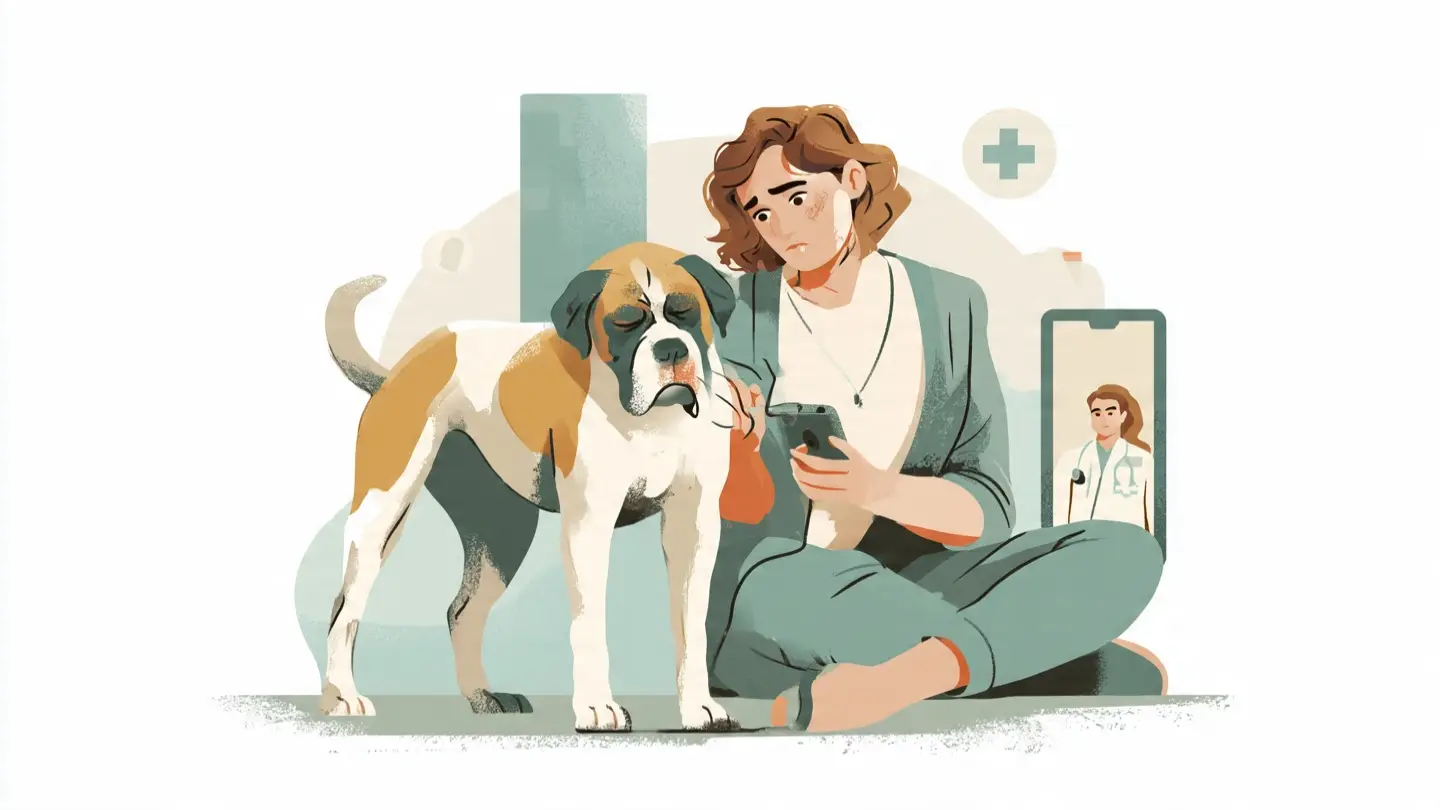
The hallmark of kennel cough is a harsh, dry, honking cough — often described as sounding like the dog has something stuck in their throat. The cough:
- Is typically worse with excitement, exercise, or pressure on the throat — pulling on a collar or lead often triggers a coughing episode
- May end with a retching or gagging motion — sometimes producing small amounts of white foam
- Can occur in long bouts of rapid coughing followed by a period of relative quiet
- Is present in an otherwise bright, alert, and active dog in uncomplicated cases
Additional Signs
Alongside the cough, affected dogs may show:
- Runny nose — clear to white nasal discharge
- Watery eyes
- Reduced appetite
- Mild lethargy
- Low-grade fever in some cases
Signs of Complicated Kennel Cough
Most cases of kennel cough are uncomplicated and resolve within 1 to 3 weeks. However, a small proportion — particularly in puppies, senior dogs, and immunocompromised dogs — progress to more serious lower respiratory tract infection or pneumonia. Signs that suggest progression to pneumonia include:
- Significant lethargy and weakness
- Reduced appetite lasting more than 24 to 48 hours
- Fever — often apparent as a warm, dry nose and shivering
- Rapid or laboured breathing
- The cough becomes productive — the dog appears to be coughing up secretions
- Blue or pale gums — indicates inadequate oxygenation; always an emergency
⚠️ If your dog with kennel cough develops difficulty breathing, significant lethargy, or pale or blue gums, seek emergency veterinary care immediately. These signs indicate progression to pneumonia which can be life-threatening.
Diagnosing Kennel Cough
Clinical Diagnosis
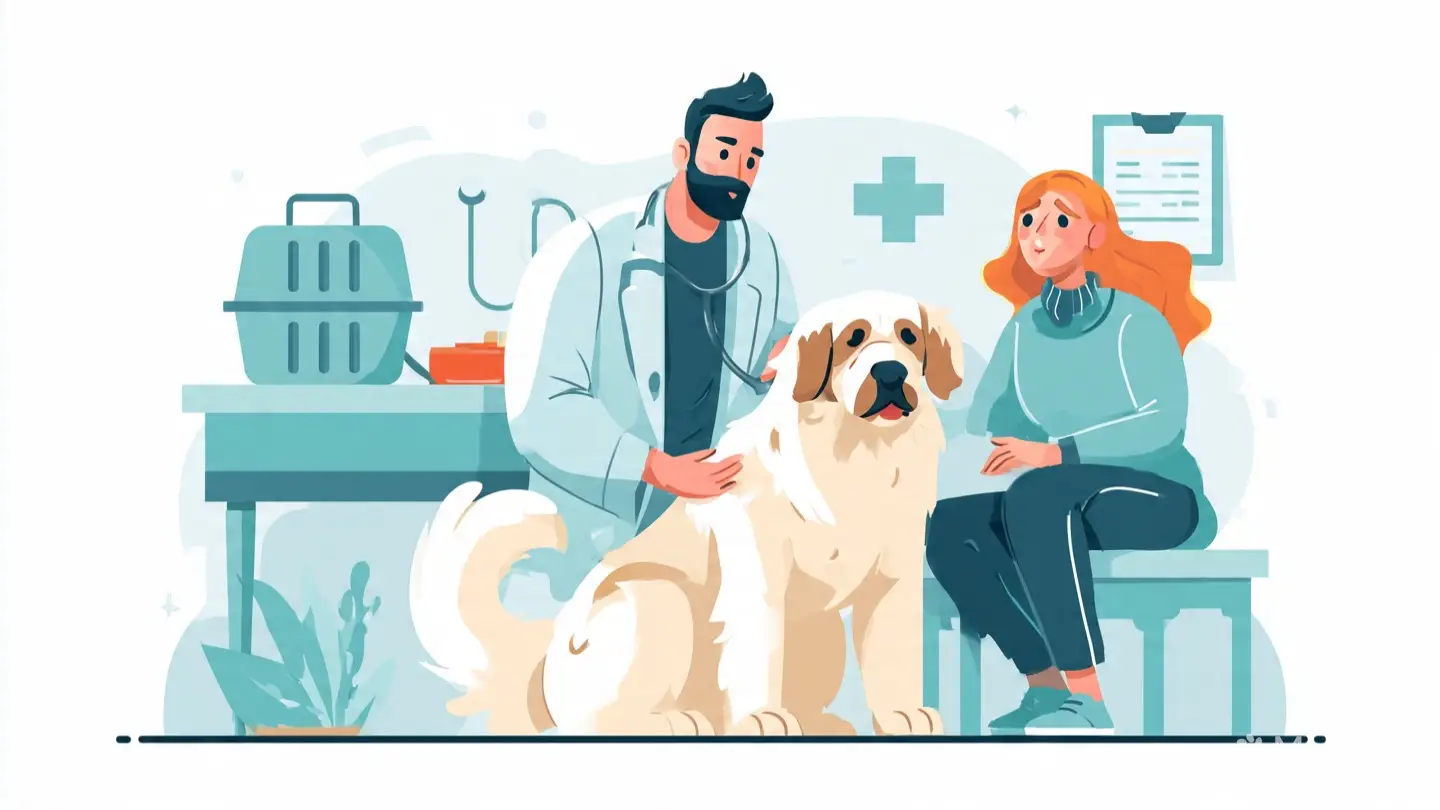
In most cases, kennel cough is diagnosed clinically — based on the characteristic cough, recent exposure history (boarding, dog park, contact with other dogs), and physical examination findings. Pressing gently on the trachea typically induces the characteristic cough and confirms tracheal sensitivity.
Further Diagnostics
For complicated cases, dogs that are not responding to treatment, or dogs showing signs of pneumonia, additional diagnostics are warranted:
- Chest X-rays — to assess the lungs for pneumonia
- Complete blood count — elevated white blood cell count indicates significant infection
- Nasopharyngeal swabs or bronchoalveolar lavage — to identify the specific pathogens involved, useful for refractory cases or kennel outbreaks
Treating Kennel Cough
Uncomplicated Kennel Cough
Many cases of uncomplicated kennel cough in healthy adult dogs resolve with supportive care alone over 1 to 3 weeks. Management includes:
- Rest — reduce exercise and excitement that triggers coughing episodes
- Use a harness instead of a collar and lead — pressure on the trachea from a collar significantly worsens coughing
- Ensure good nutrition and hydration
- Honey — a small amount of honey (one teaspoon for a medium dog) can soothe the airway and temporarily reduce coughing; safe for dogs and backed by some evidence
- Steam — allowing your dog to sit in a bathroom during a hot shower can provide temporary relief by humidifying the airways
- Isolate from other dogs for the full duration of illness to prevent spread
Antibiotics
Antibiotics are prescribed when Bordetella bronchiseptica is the suspected primary pathogen — which is the case in most kennel cough presentations. Doxycycline is the most commonly used antibiotic for kennel cough. While antibiotics do not treat the viral components of the infection, they address the bacterial element, reduce secondary bacterial involvement, and typically speed recovery.
Cough Suppressants
Cough suppressants may be prescribed for dogs with a severe, exhausting cough that is interfering with rest. They are used judiciously — coughing is a protective mechanism that helps clear secretions from the airway, and suppressing it completely in productive infections is counterproductive.
Bronchodilators and Anti-Inflammatories
In more significant cases, bronchodilators may be prescribed to open the airways, and anti-inflammatory medications to reduce airway inflammation.
Treatment for Pneumonia
Dogs that have progressed to pneumonia require more aggressive treatment — typically hospitalisation with IV antibiotics, IV fluids, oxygen supplementation, nebulisation, and physiotherapy to help clear secretions from the lungs. Recovery from pneumonia takes weeks and requires careful monitoring.
If your dog has developed a persistent cough, book an appointment at Walker Lake Veterinary Centre. Call (587) 786-6771 or book online. Located at 5109 22 Avenue SW, Southwest Edmonton.
Isolating a Dog With Kennel Cough
Because kennel cough is highly contagious, isolating an affected dog from other dogs is important to prevent spread. Practical isolation measures include:
- Avoid dog parks, off-lead areas, training classes, and boarding facilities until fully recovered
- Walk your dog at quiet times and locations where contact with other dogs is unlikely
- Inform other dog owners if you know your dog has been in contact with theirs
- Wash your hands after handling a dog with kennel cough before touching other dogs
- Disinfect shared items — bowls, leads, toys — with an appropriate disinfectant
- Keep affected dogs away from puppies, senior dogs, and immunocompromised dogs within the household
The infectious period for kennel cough extends beyond the resolution of clinical signs. Dogs should generally be considered potentially infectious for 2 to 3 weeks from the onset of coughing, or until cleared by a veterinarian.
Preventing Kennel Cough — Vaccination
The Bordetella Vaccine
Vaccination against Bordetella bronchiseptica is the most important preventive measure for dogs at risk of kennel cough — particularly those that attend boarding facilities, dog parks, grooming salons, training classes, or dog shows.
The vaccine is available in three forms:
- Injectable — given as a subcutaneous injection
- Intranasal — administered as drops into the nostrils
- Oral — administered by mouth
The intranasal and oral forms stimulate local immunity in the respiratory tract — the primary site of infection — and typically produce faster protection than the injectable form. Initial vaccination is followed by annual boosters.
Core Vaccines That Reduce Kennel Cough Severity
The core vaccines recommended for all dogs include protection against canine distemper virus and canine adenovirus type 2 — both of which are components of the kennel cough complex. Keeping core vaccinations up to date reduces the severity of kennel cough even in vaccinated dogs that encounter Bordetella.
Limitations of Vaccination
It is important to understand that vaccination against kennel cough — particularly the Bordetella vaccine — does not provide complete protection against infection. Because the kennel cough syndrome involves multiple pathogens, vaccination against one or two of them reduces severity and duration but cannot prevent infection entirely. Vaccinated dogs can still develop kennel cough — but typically experience milder disease and recover more quickly than unvaccinated dogs.
Kennel Cough in Edmonton — Local Considerations
Kennel cough is present year-round in Edmonton. Several factors increase local risk:
- The busy dog park culture in Southwest Edmonton — areas including Summerside and Walker Lake have active off-lead dog communities
- Boarding during holiday periods — demand for boarding peaks around Christmas, long weekends, and summer holidays, increasing transmission opportunities
- Cold weather — dogs spending time in kennels or shelters in winter months are at increased exposure risk
Dogs that regularly attend dog parks in Walker Lake, Summerside, and surrounding areas of Southwest Edmonton benefit from annual Bordetella vaccination as part of their routine preventive care.
Book an Appointment at Walker Lake Veterinary Centre
Walker Lake Veterinary Centre provides respiratory assessment, kennel cough diagnosis and treatment, and Bordetella vaccination for dogs across Walker Lake, Summerside, Ellerslie, Heritage Valley, and Southwest Edmonton.
Call us at (587) 786-6771 or book online. We are located at 5109 22 Avenue SW, Edmonton.
Clinic hours:
- Monday, Tuesday & Thursday: 9:00 AM – 7:00 PM
- Wednesday & Friday: 9:00 AM – 6:00 PM
- Saturday: 9:00 AM – 3:00 PM
- Sunday: Closed
Frequently Asked Questions
How long does kennel cough last?
Most uncomplicated cases of kennel cough resolve within 1 to 3 weeks in healthy adult dogs. Puppies, senior dogs, and immunocompromised dogs may take longer to recover. Cases that progress to pneumonia require weeks of treatment and convalescence. Contact your veterinarian if your dog’s cough is not improving after 10 days of appropriate treatment.
Can humans catch kennel cough from dogs?
Bordetella bronchiseptica can occasionally cause respiratory illness in immunocompromised humans — those undergoing chemotherapy, with HIV, or with other significant immune system impairment. In healthy adults and children, transmission from dogs is extremely rare. If you or a family member is immunocompromised, discuss appropriate precautions with both your veterinarian and your doctor.
My dog is vaccinated — can they still get kennel cough?
Yes. As described above, the Bordetella vaccine reduces severity and duration of illness but does not provide complete protection against infection. Vaccinated dogs exposed to kennel cough typically develop milder disease and recover more quickly than unvaccinated dogs. The vaccine is still highly worthwhile for at-risk dogs.
Can cats get kennel cough from dogs?
Bordetella bronchiseptica can infect cats and cause upper respiratory illness, though this is less common than in dogs. In multi-pet households where a dog has kennel cough, monitor cats for signs of respiratory illness and contact your veterinarian if concerned.
How soon after exposure does kennel cough develop?
The incubation period for kennel cough is typically 3 to 10 days from exposure. If your dog has been in a boarding facility, attended a dog park, or had known contact with an infected dog, watch for coughing to develop within 10 days of exposure.