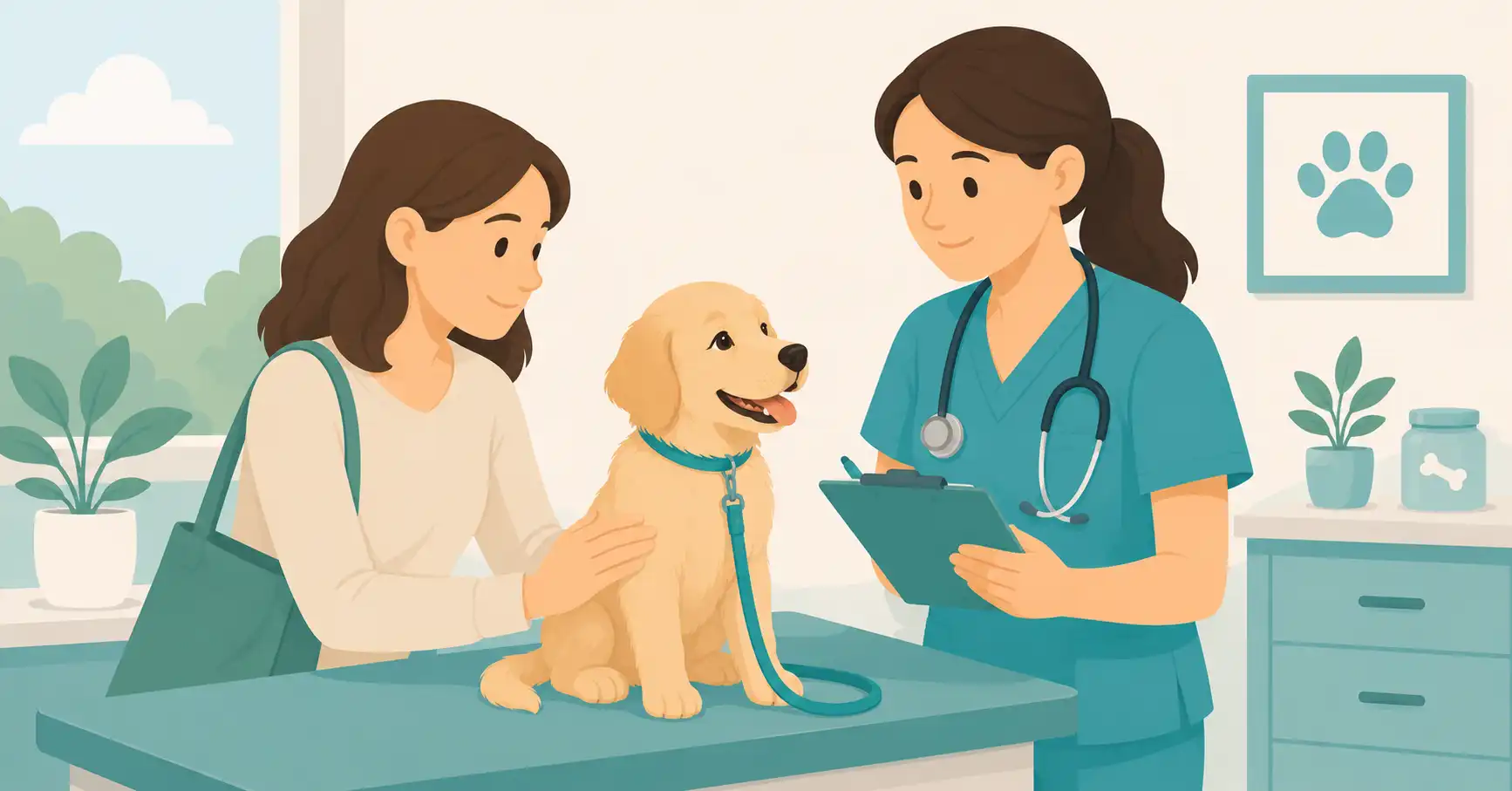
Bringing home a new puppy is exciting, but one of the first things you should arrange is a veterinary visit. Your puppy’s first vet appointment establishes an important health baseline and helps you create a plan for vaccinations, parasite prevention, nutrition and future preventive care.
Ideally, schedule the appointment within the first few days of bringing your puppy home, especially if they have recently come from a breeder, rescue or another household.
At Walker Lake Veterinary Centre, we help new puppy owners across Southwest Edmonton get started with a practical preventive-care plan. Call us at (587) 786-6771 to book your puppy’s first visit.
Even if your puppy appears completely healthy, an early veterinary examination can identify problems that may not be obvious at home and confirm whether their vaccination and deworming schedule is on track.
What to Bring to Your Puppy’s First Vet Visit
Being prepared helps your veterinarian understand your puppy’s history and avoid unnecessary repeat treatments.
Bring the following if available:
- Vaccination records from the breeder or rescue
- Deworming records
- Previous veterinary records
- Details of your puppy’s current food
- A list of any medications or supplements
- Adoption or breeder paperwork
- A fresh stool sample if requested
- A list of questions you want to ask
If you do not have complete records, that is okay. Your veterinarian can still examine your puppy and create an appropriate plan based on their age and known history.
What Happens During the First Puppy Vet Visit?
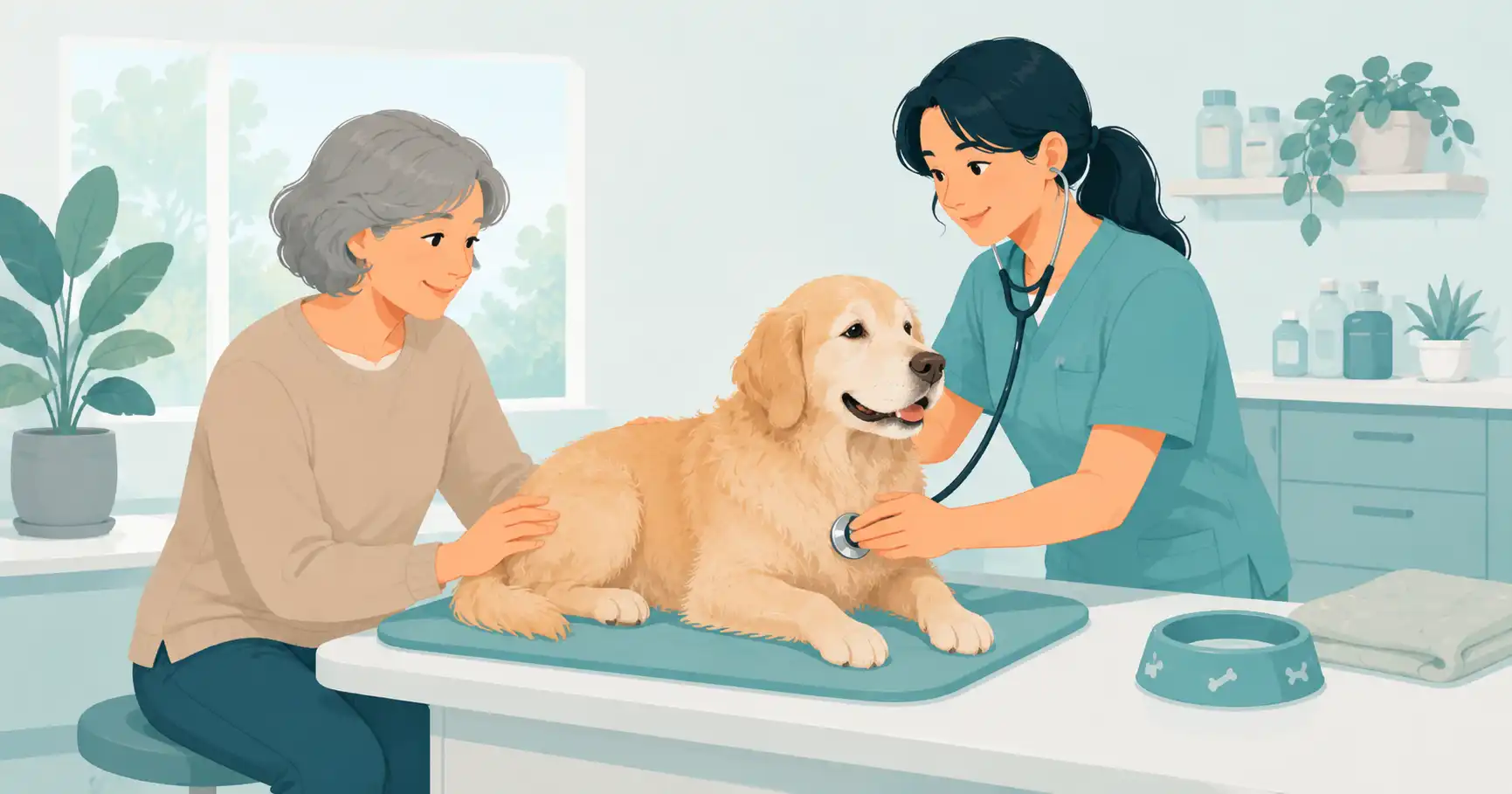
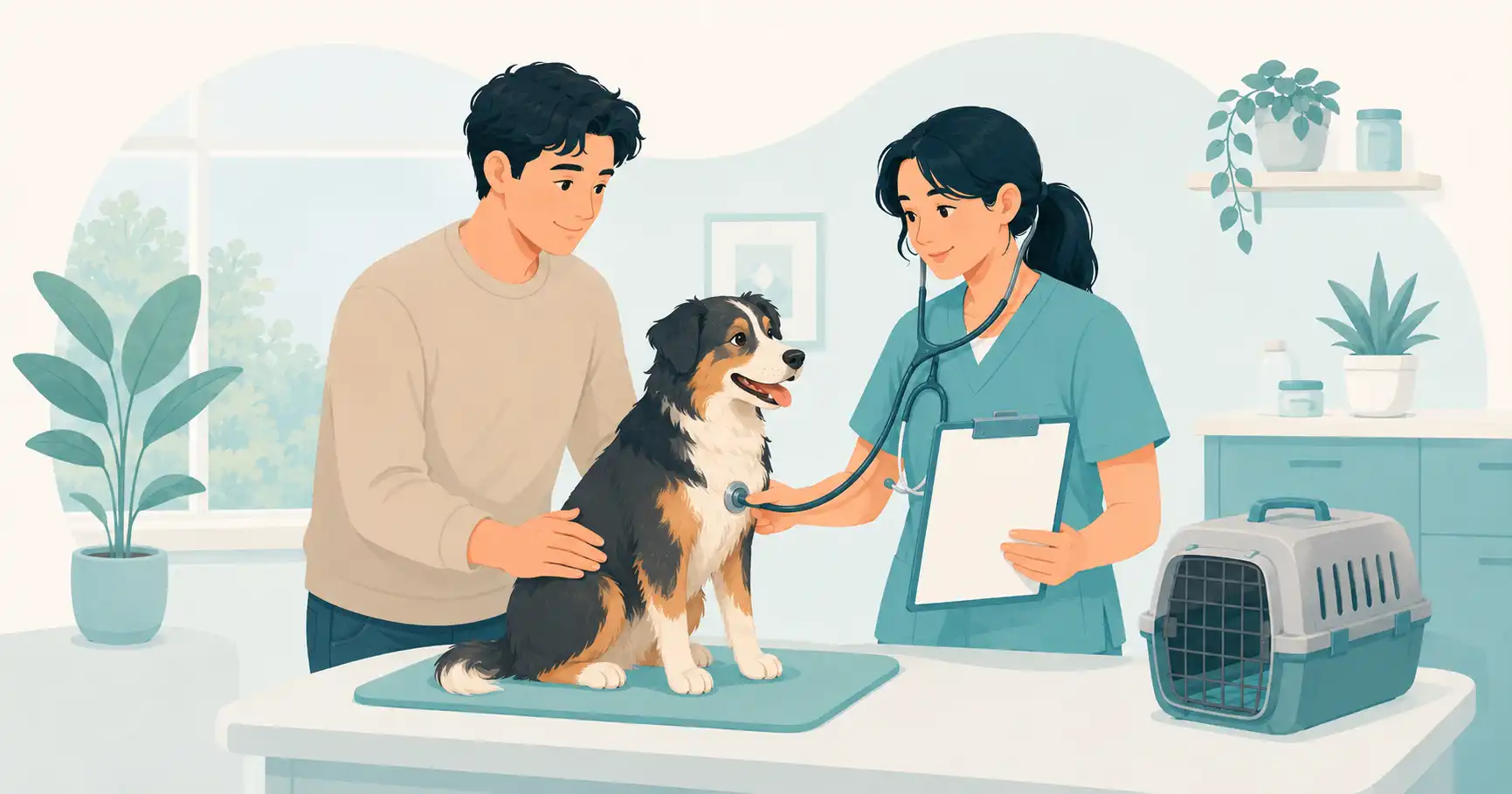
Your puppy’s first appointment usually includes a complete physical examination.
The veterinarian may check:
- Weight and body condition
- Heart and lungs
- Eyes and ears
- Teeth and gums
- Skin and coat
- Abdomen
- Joints and movement
- Temperature when necessary
- Overall growth and development
The appointment is also an opportunity to discuss your puppy’s behaviour, feeding routine and any concerns you have noticed since bringing them home.
Puppy Vaccinations
One of the main topics during a puppy’s first veterinary visits is vaccination.
Puppies commonly begin their core vaccine series at around 6 to 8 weeks of age, with additional doses given every few weeks until at least 16 weeks.
Core protection typically includes:
- Canine distemper
- Canine parvovirus
- Canine adenovirus
Other vaccines may be recommended depending on your puppy’s lifestyle and exposure risk, including:
- Leptospirosis
- Rabies
- Bordetella
- Lyme disease
Your veterinarian will review any vaccinations your puppy has already received and explain when the next doses are due.
Do not assume your puppy is fully protected after one vaccination. The initial puppy vaccine series must be completed before reliable protection develops.
Deworming and Parasite Prevention
Intestinal parasites are common in puppies, even when they appear healthy.
Your veterinarian may discuss protection or testing for parasites such as:
- Roundworms
- Hookworms
- Tapeworms
- Giardia
- Fleas
- Ticks
- Heartworm
A stool test may be recommended to check for intestinal parasites.
Parasite prevention should be based on your puppy’s age, weight, environment and lifestyle rather than using products without veterinary guidance.
Discussing Your Puppy’s Diet
Proper nutrition is particularly important during puppyhood because bones, muscles and organs are developing rapidly.
During the appointment, discuss:
- Which puppy food you are feeding
- How much your puppy eats each day
- How often meals are offered
- Treats and supplements
- Expected adult size
- Any vomiting, diarrhoea or appetite changes
Large-breed puppies may require diets specifically formulated to support controlled growth.
Avoid adding vitamins or mineral supplements unless your veterinarian recommends them. A complete puppy diet is already formulated to provide appropriate nutrients.
Microchipping Your Puppy
Your first few veterinary visits are a good time to discuss microchipping.
A microchip provides permanent identification if your puppy becomes lost and their collar or identification tag is missing.
Microchips can be inserted during a routine appointment or while your pet is already under anesthesia for another procedure.
Remember that the microchip must also be registered with your current contact information.
Flea, Tick and Heartworm Prevention
Your veterinarian will assess your puppy’s parasite risk based on factors such as:
- Outdoor activity
- Travel plans
- Contact with other animals
- Hiking or camping
- Tick exposure
- Mosquito exposure
Using a veterinary-recommended product ensures that the medication is appropriate for your puppy’s current age and weight.
Never use a flea or tick medication simply because it was previously used for another pet.
When Can My Puppy Go to Dog Parks?
New owners are often eager to introduce their puppy to other dogs, but public dog areas can increase exposure to infectious disease.
Until your puppy’s vaccination series is sufficiently advanced, avoid higher-risk environments such as:
- Busy dog parks
- Areas heavily used by unknown dogs
- Shared outdoor water bowls
- Contact with sick dogs
- Areas known to have had parvovirus exposure
This does not mean your puppy should have no socialization.
Safe early experiences can include:
- Meeting healthy, vaccinated dogs you know
- Short car rides
- Exposure to household sounds
- Gentle handling
- Meeting different people
- Veterinarian-approved puppy classes
Socialization should be balanced with disease prevention.
Behaviour and Training Questions
The first vet appointment is also an excellent time to discuss puppy behaviour.
Common topics include:
- House training
- Crate training
- Biting and chewing
- Socialization
- Separation
- Barking
- Handling
- Introducing children or other pets
Starting positive training early can prevent many behaviour problems from becoming established.
Write down your questions before the appointment. New puppy visits cover a lot of information, and having a list makes it easier to remember everything you want to discuss.
When Should You Spay or Neuter Your Puppy?
There is no single ideal age for every dog.
The appropriate timing can depend on:
- Breed
- Expected adult size
- Sex
- Health
- Lifestyle
- Individual risk factors
For some dogs, particularly larger breeds, the timing may differ from traditional recommendations.
Your veterinarian can discuss the advantages and considerations and recommend a timeframe for your individual puppy.
Questions to Ask at Your Puppy’s First Vet Visit
Consider asking:
- When is the next vaccination due?
- Does my puppy need deworming?
- Which flea and tick prevention should I use?
- Is my puppy’s food appropriate?
- How much should my puppy be eating?
- When can my puppy safely attend dog parks or daycare?
- When should my puppy be microchipped?
- When should we discuss spaying or neutering?
- How often should my puppy return for checkups?
- Are there any breed-specific health concerns I should know about?
How Often Will My Puppy Need Vet Visits?
During the first few months, puppies usually require several appointments to complete their vaccination series and monitor growth.
A typical early-care schedule may include:
- Initial examination at approximately 6–8 weeks or shortly after adoption.
- Follow-up vaccination visits every few weeks.
- Final puppy-series vaccinations at approximately 16 weeks or later.
- Ongoing parasite prevention and growth monitoring.
- A later discussion about spaying or neutering and transition into adult preventive care.
The exact schedule depends on your puppy’s age when veterinary care begins.
Have a new puppy? Start them off with a complete health assessment and personalized preventive-care plan at Walker Lake Veterinary Centre. Call (587) 786-6771 or book an appointment online. We are located at 5109 22 Avenue SW in Southwest Edmonton.
Book Your Puppy’s First Vet Visit in Edmonton
Walker Lake Veterinary Centre provides puppy examinations, vaccinations, parasite prevention, microchipping and preventive care for families throughout Walker Lake, Summerside, Ellerslie, Heritage Valley and Southwest Edmonton.
Bring any records provided by your breeder, rescue or previous veterinarian, and our team will help determine what your puppy needs next.
Call us at (587) 786-6771 or book an appointment online.
Frequently Asked Questions
When should I take my new puppy to the vet?
Ideally, arrange a veterinary examination within the first few days after bringing your puppy home, particularly if their medical or vaccination history is incomplete.
What should I bring to the first appointment?
Bring vaccination and deworming records, previous medical information, details of your puppy’s diet and any questions you would like to discuss.
Will my puppy get vaccines at the first visit?
Possibly. The veterinarian will review your puppy’s age and vaccination history before determining which vaccines are currently due.
Should I bring a stool sample?
A stool sample may be useful for checking intestinal parasites. Ask the clinic when booking whether they would like you to bring one.
Can my puppy go to the dog park after the first vaccine?
Usually not. Protection is incomplete after the first vaccine. Ask your veterinarian when higher-risk public environments are appropriate based on your puppy’s vaccination progress.