Ear infections are one of the most common reasons dogs visit a veterinarian — and one of the most frequently undertreated conditions in canine health. Many owners notice the signs but attribute them to normal behaviour, missing an infection that can become chronic, painful, and difficult to resolve if left untreated.
If your dog is shaking their head, scratching their ears, or you have noticed an unusual smell or discharge, contact Walker Lake Veterinary Centre at (587) 786-6771 so we can assess them promptly.
Ear infections in dogs are almost always treatable when caught early. Left untreated, they can become chronic, spread to the middle and inner ear, cause permanent hearing loss, and require surgical intervention.
Anatomy of the Dog Ear — Why Dogs Are Vulnerable
Understanding why dogs develop ear infections more readily than humans requires a brief look at ear anatomy.
The human ear canal runs almost horizontally from the outer ear to the eardrum. The dog ear canal, by contrast, has a distinctive L-shaped structure — it runs vertically downward from the ear opening before making a sharp horizontal turn toward the eardrum.
This L-shaped canal creates a warm, dark, enclosed environment where moisture, debris, and microorganisms accumulate with minimal opportunity to drain or dry naturally. In dogs with floppy ears — Cocker Spaniels, Basset Hounds, Labrador Retrievers — the ear flap further restricts airflow, compounding the problem.
This anatomy, combined with factors like allergies, moisture, and hair in the ear canal, makes dogs inherently susceptible to ear infections in a way that humans simply are not.
Types of Dog Ear Infections
Otitis Externa
The most common type — infection of the outer ear canal, from the ear opening to the eardrum. This is the infection most owners encounter and the one that typically responds well to topical treatment when caught early.
Otitis Media
Infection of the middle ear, on the other side of the eardrum. Often develops as a complication of untreated or recurrent otitis externa when infection breaches the eardrum. Otitis media is more difficult to treat, causes more significant pain, and can affect balance and hearing.
Otitis Interna
Infection of the inner ear — the deepest and most serious level of ear infection. Causes significant neurological signs including severe loss of balance, head tilt, abnormal eye movements, and in severe cases, facial paralysis. Requires systemic treatment and carries a more guarded prognosis.
Signs of an Ear Infection in Dogs
Behavioural Signs
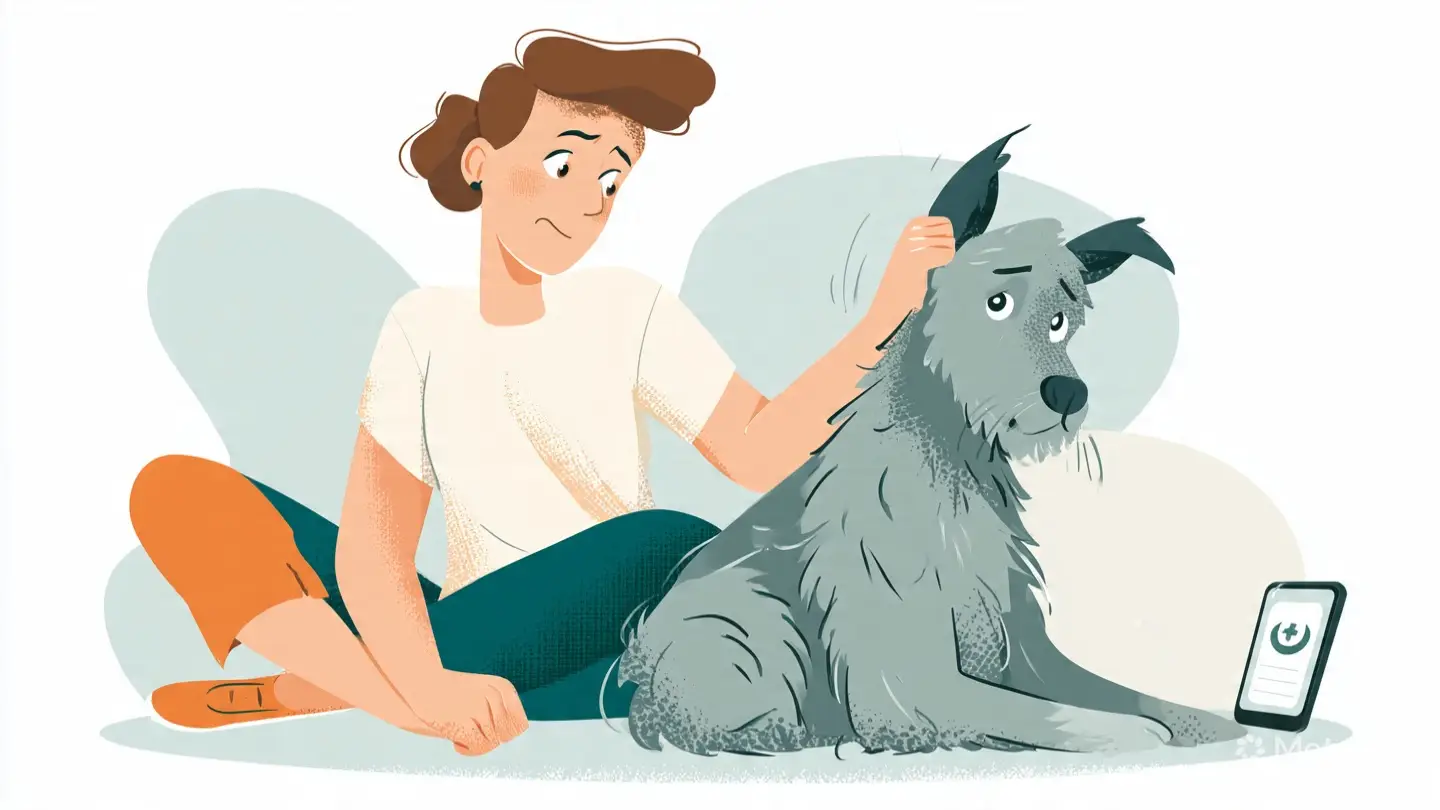
- Head shaking — particularly repetitive or vigorous head shaking
- Scratching at one or both ears with a paw
- Rubbing the ear along the ground or against furniture
- Tilting the head to one side — particularly concerning if persistent
- Reluctance to have the head or ears touched
- Whimpering or pulling away when the ear area is handled
- Changes in behaviour — irritability, reduced appetite, or withdrawal
Physical Signs
- Redness and inflammation inside the ear canal or on the ear flap
- Discharge — ranging from yellow or brown waxy material to thick, dark, or bloody discharge
- Unpleasant odour from the ear — often described as yeasty, musty, or distinctly foul
- Swelling of the ear canal opening
- Crusting or scabbing around the ear opening
- Visible discomfort when the base of the ear is gently pressed
- Head tilt toward the affected ear
- In severe cases — loss of balance, circling, or abnormal eye movements
⚠️ A strong, foul odour from your dog’s ear combined with dark discharge and obvious pain is a sign of a significant infection that requires veterinary assessment the same day. Do not attempt to clean or treat it at home without guidance.
Common Causes of Dog Ear Infections
Ear infections are rarely a primary condition — they are almost always triggered or maintained by an underlying factor. Identifying and addressing the underlying cause is essential to achieving long-term resolution.
Allergies — The Most Common Underlying Cause
Environmental allergies (atopic dermatitis) and food allergies are the most common underlying causes of recurrent ear infections in dogs. Allergies cause inflammation of the skin lining the ear canal, which disrupts the normal protective barrier and creates ideal conditions for bacterial and yeast overgrowth.
A dog that has three or more ear infections per year almost certainly has an underlying allergy that needs to be diagnosed and managed. Treating only the ear infection without addressing the allergy results in a cycle of resolution and recurrence.
Moisture and Water Exposure
Water trapped in the ear canal after bathing or swimming creates the warm, moist environment that bacteria and yeast thrive in. Dogs that swim regularly or are bathed frequently without thorough ear drying are at significantly higher risk of infection.
Ear Anatomy
Dogs with heavy, floppy ear flaps — Cocker Spaniels, Basset Hounds, Golden Retrievers, Labrador Retrievers — have reduced airflow into the ear canal, increasing humidity and infection risk. Dogs with narrow ear canals or excessive hair growth within the canal face similar challenges.
Foreign Bodies
Grass seeds — particularly grass awns — are a common cause of acute ear infections in dogs that spend time outdoors. A grass awn can work its way deep into the ear canal, cause intense pain and inflammation, and carry bacteria into the canal. Grass awn removal requires veterinary assistance.
Ear Mites
Ear mites (Otodectes cynotis) are microscopic parasites that live in the ear canal. They cause intense irritation, dark crumbly discharge, and vigorous head shaking. Ear mites are contagious between animals and are more common in puppies and cats than in adult dogs. They require specific antiparasitic treatment rather than standard antibiotics.
Hormonal Conditions
Hypothyroidism and other hormonal imbalances can alter the immune environment of the skin, predisposing dogs to recurrent skin and ear infections. Dogs with recurrent ear infections that do not resolve despite appropriate treatment should be screened for underlying endocrine disease.
What Causes the Infection Itself?
Once the ear canal environment is disrupted, the actual infection is typically caused by:
- Yeast — Malassezia pachydermatis is the most common organism. Produces a distinctive musty or yeasty odour and brown to dark discharge
- Bacteria — Staphylococcus, Pseudomonas, and Proteus species are common. Bacterial infections tend to produce more liquid, purulent discharge
- Mixed infections — many ear infections involve both yeast and bacteria simultaneously, which affects treatment choice
Diagnosing an Ear Infection
Accurate diagnosis requires more than simply observing the signs of an ear infection. A veterinarian will:
Examine the Ear Canal with an Otoscope
This allows visualisation of the canal depth, the condition of the eardrum, and the type and location of the infection. It also identifies foreign bodies and assesses whether the eardrum is intact — a critical factor in choosing the right treatment, as certain ear drops are contraindicated if the eardrum is perforated.
Perform Ear Cytology
A swab sample from the ear canal is examined under a microscope to identify the organisms causing the infection — yeast, bacteria, or both — and their relative numbers. This guides treatment choice, particularly regarding antibiotic selection.
Culture and Sensitivity Testing
For chronic, recurrent, or treatment-resistant infections, a culture and sensitivity test identifies the exact bacterial species present and determines which antibiotics will be effective. This is particularly important for Pseudomonas infections, which are often resistant to standard antibiotics.
Treating Dog Ear Infections
Ear Cleaning
The first step in treatment is thorough cleaning of the ear canal to remove discharge, debris, and organisms. This is performed in the clinic using appropriate solutions and instruments. An ear full of discharge cannot be effectively treated with topical medication — the debris prevents the medication from reaching the canal lining.
For ongoing home care, your veterinarian will recommend an appropriate ear cleaning solution and demonstrate the correct technique. Routine cleaning should be gentle and only as frequent as recommended — over-cleaning can damage the ear canal.
Topical Medications
Most otitis externa cases are treated with prescription topical ear drops containing combinations of antibiotics, antifungal agents, and anti-inflammatory steroids. Treatment duration is typically 7 to 14 days but varies depending on the severity and type of infection.
Systemic Antibiotics
For deep or severe infections, otitis media, or cases involving bacteria resistant to topical treatment, oral antibiotics are prescribed in addition to or instead of topical therapy.
Treating the Underlying Cause
As discussed above, treating the infection without addressing the underlying cause leads to recurrence. Your veterinarian will discuss allergy management, moisture control, anatomical considerations, and other relevant factors depending on your dog’s individual situation.
Long-Acting Treatments
For dogs that are difficult to medicate at home, long-acting single-dose medications — administered in the clinic — are available for some types of ear infection. These provide sustained medication release over several weeks, eliminating the need for daily home treatment.
If your dog is showing signs of an ear infection, book an appointment at Walker Lake Veterinary Centre. Call (587) 786-6771 or book online. Located at 5109 22 Avenue SW, Southwest Edmonton.
Preventing Ear Infections in Dogs
Dry Ears After Water Exposure
After bathing or swimming, gently dry the outer ear canal using a soft cloth or cotton wool. Do not insert cotton buds into the ear canal. A veterinary-recommended drying solution can be used after swimming to help clear residual moisture from the canal.
Regular Ear Checks
Incorporate a brief weekly ear check into your routine. Look into the ear canal for redness, abnormal discharge, or odour. Early intervention prevents mild irritation from progressing to a full infection.
Address Allergies Proactively
If your dog has recurrent ear infections, discuss allergy testing and management with your veterinarian. Managing the underlying allergy is the most effective way to break the cycle of recurrent infections.
Appropriate Grooming
For dogs with hair growing in the ear canal, discuss appropriate management with your veterinarian or groomer. Excess hair can trap moisture and debris, contributing to infection risk.
Book an Appointment at Walker Lake Veterinary Centre
Walker Lake Veterinary Centre provides ear examination, cytology, and treatment for ear infections in dogs and cats across Walker Lake, Summerside, Ellerslie, Heritage Valley, and Southwest Edmonton.
Call us at (587) 786-6771 or book online. We are located at 5109 22 Avenue SW, Edmonton.
Clinic hours:
- Monday, Tuesday & Thursday: 9:00 AM – 7:00 PM
- Wednesday & Friday: 9:00 AM – 6:00 PM
- Saturday: 9:00 AM – 3:00 PM
- Sunday: Closed
Frequently Asked Questions
How do I know if my dog has an ear infection or just dirty ears?
Normal earwax in dogs is light brown and minimal. An infection typically produces more discharge than normal, changes its colour to dark brown, yellow, or black, and produces a noticeable odour. Redness, swelling, and signs of discomfort such as head shaking and scratching distinguish an infection from simple wax accumulation.
Can I treat my dog’s ear infection at home?
Without knowing whether the infection is bacterial or yeast-based, and without knowing whether the eardrum is intact, home treatment with over-the-counter products carries real risks. Using the wrong product or using any product with a ruptured eardrum can cause serious damage. A veterinary assessment and appropriate prescription medication is always the recommended approach.
Why does my dog keep getting ear infections?
Recurrent ear infections almost always have an underlying cause — most commonly allergies. A dog experiencing three or more ear infections per year needs an investigation into the root cause, not repeated courses of the same treatment. Discuss allergy testing and long-term management with your veterinarian.
Are certain dog breeds more prone to ear infections?
Yes. Dogs with floppy ears — Cocker Spaniels, Basset Hounds, Golden Retrievers, Labrador Retrievers — and dogs prone to allergies — West Highland White Terriers, Bulldogs, Boxers — are at higher risk. Regular ear monitoring is particularly important for these breeds.
Can ear infections in dogs resolve without treatment?
Rarely and unpredictably. Most ear infections worsen without appropriate treatment, progress deeper into the ear canal, and become significantly harder to resolve. Early treatment is always more effective and less costly than treating an established chronic infection.