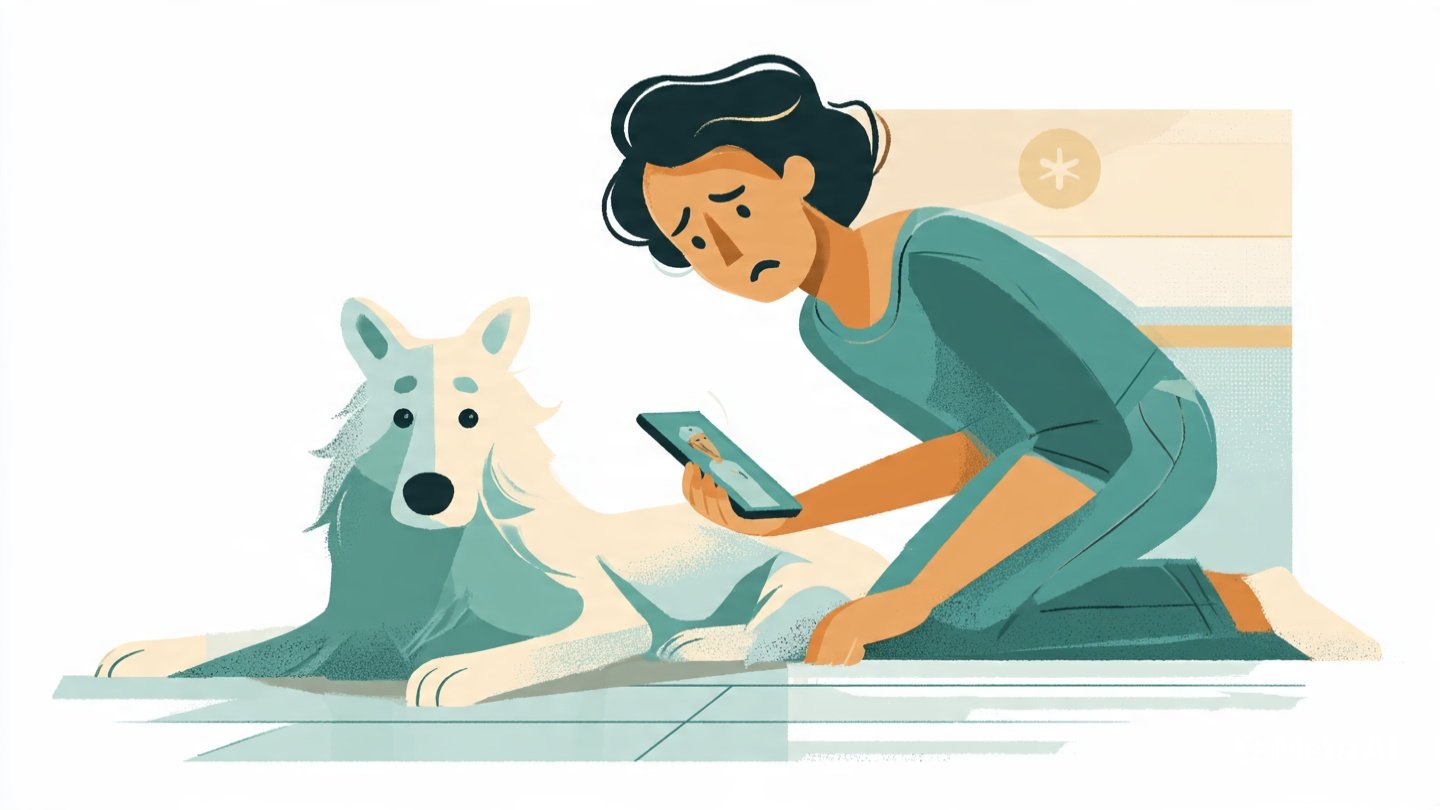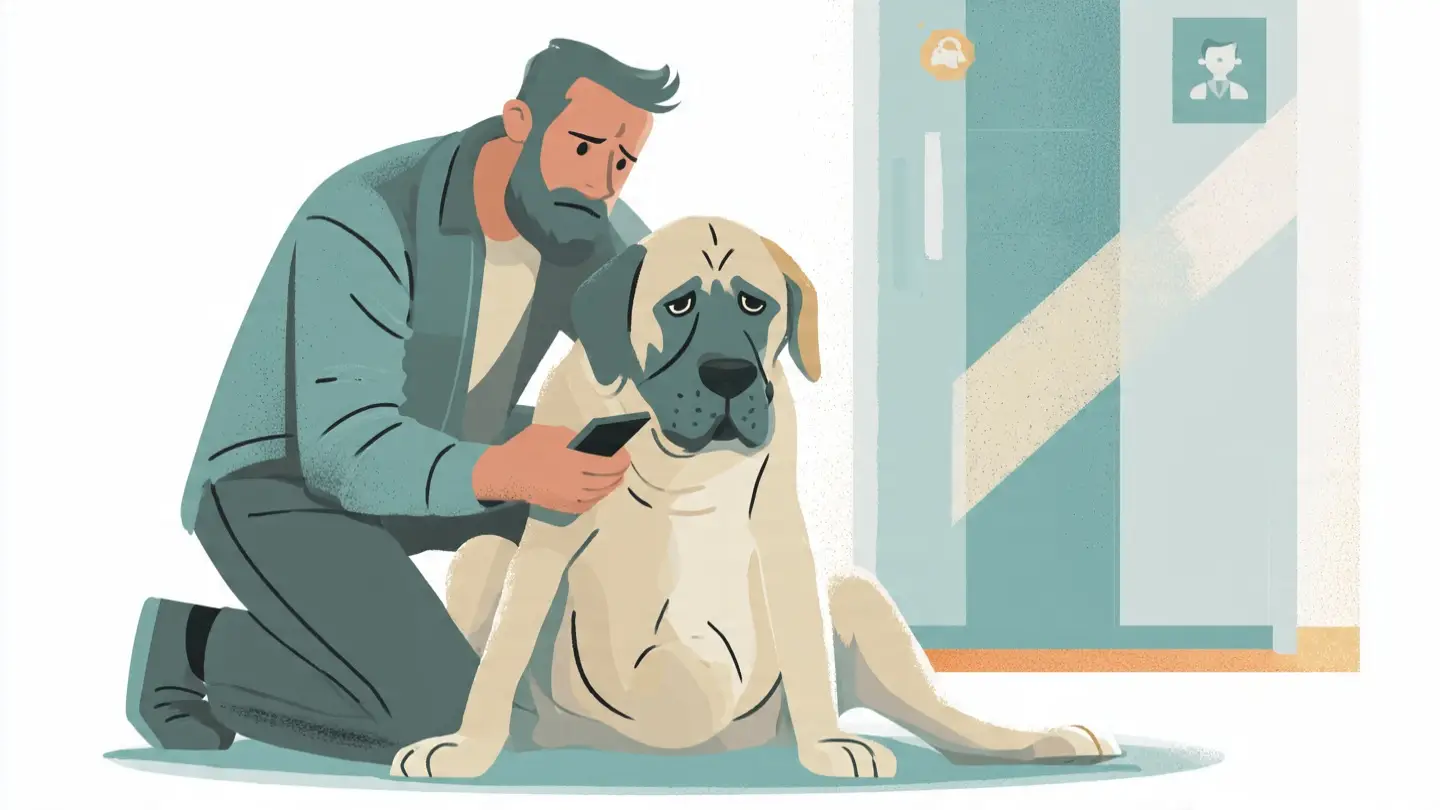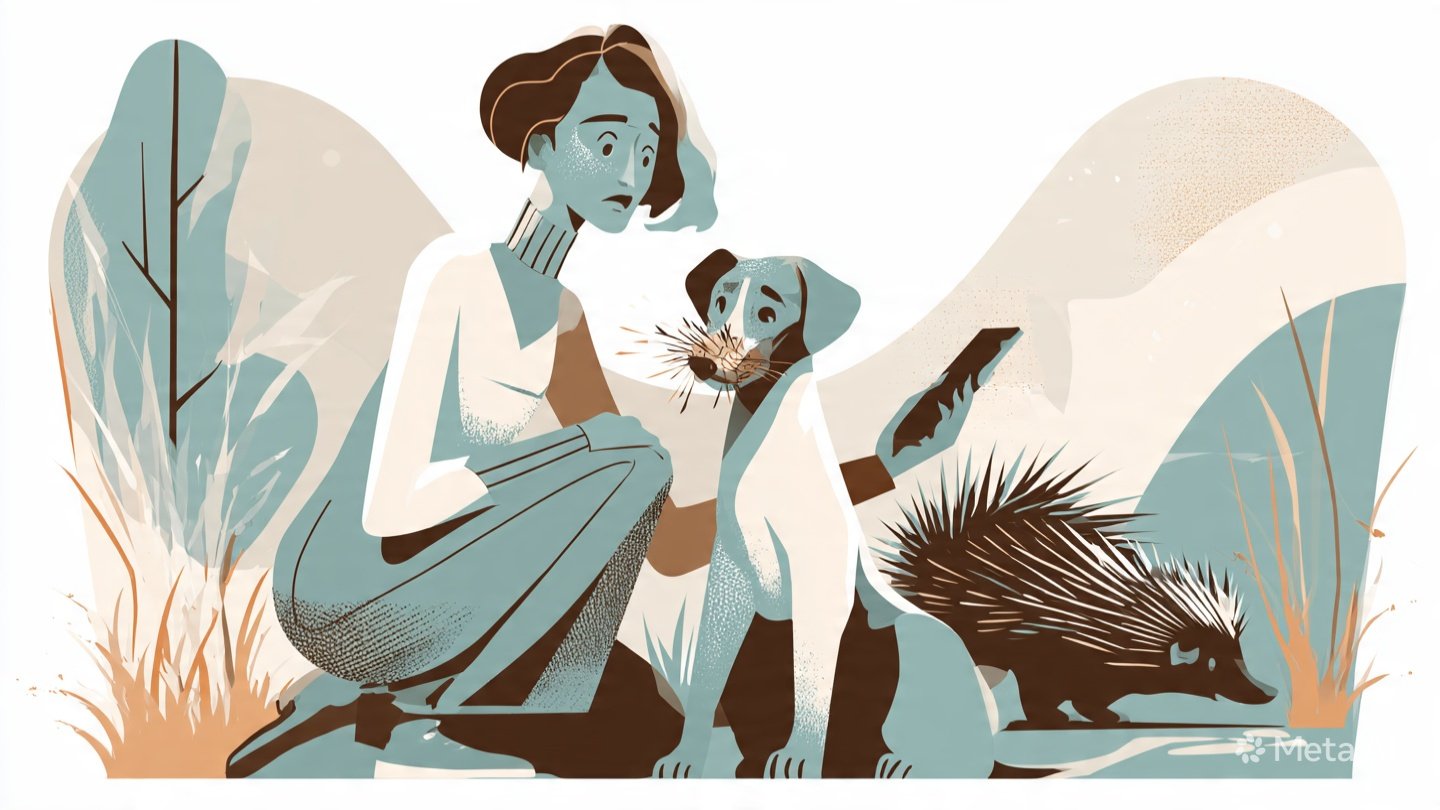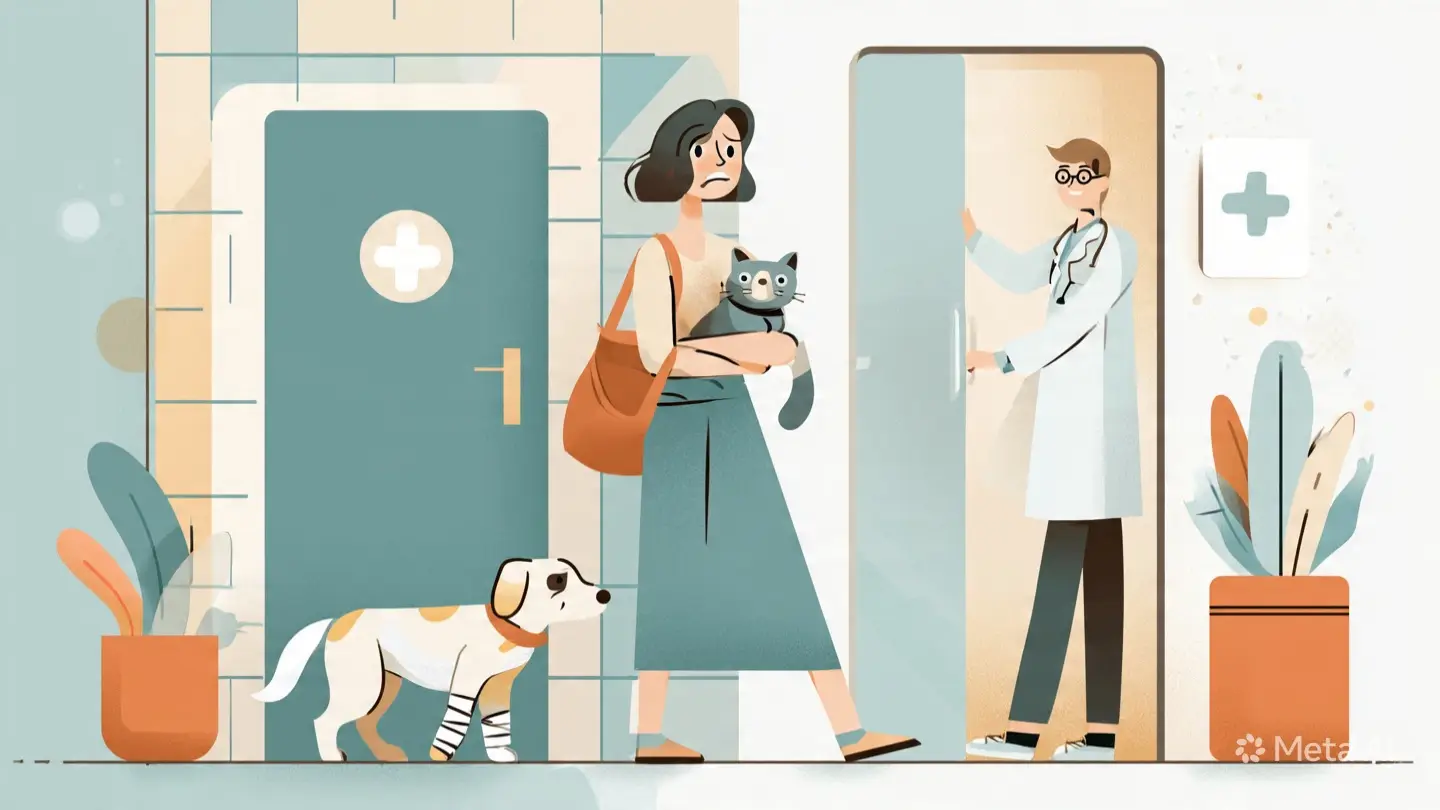
Dogs are instinctively wired to hide pain. This behaviour is rooted in survival — in the wild, an animal that displays weakness becomes a target. As a result, many dogs endure significant pain silently, and by the time obvious signs appear, the underlying condition may already be well advanced.
Learning to recognise the subtle early indicators of pain in your dog is one of the most valuable skills you can develop as a pet owner. If you suspect your dog is in pain, contact Walker Lake Veterinary Centre at (587) 786-6771 so we can assess them promptly.
Pain in dogs is never normal and never acceptable to leave untreated. Whether caused by injury, illness, or a chronic condition like arthritis, pain can be managed effectively — but only once it is identified.
Why Dogs Hide Pain
The instinct to conceal pain and vulnerability is deeply ingrained in dogs regardless of domestication. Even dogs in loving, safe home environments will suppress pain signals — not consciously, but as a hardwired biological response.
This means that by the time a dog is visibly limping, vocalising in distress, or refusing to eat, they have often been experiencing discomfort for considerably longer. The absence of obvious pain signals does not mean your dog is comfortable.
This is also why regular veterinary wellness examinations are valuable — a veterinarian performing a systematic physical assessment may identify pain responses that an owner, even an attentive one, has not noticed at home.
Behavioural Signs of Pain in Dogs
Changes in behaviour are often the earliest and most reliable indicators that a dog is experiencing pain. Many of these changes are subtle and easily attributed to other causes — mood, tiredness, or simply getting older.
Changes in Activity and Mobility
- Reluctance to jump up onto furniture, into the car, or up stairs — particularly notable in a dog that previously did these things easily
- Stiffness after rest — a dog that moves slowly and carefully for the first few minutes after lying down
- Slowing down on walks or stopping earlier than usual
- Reluctance to go for walks at all
- Changes in sitting or lying posture — avoiding certain positions, shifting weight, or being unable to get comfortable
- Lagging behind on walks when they previously led
Changes in Behaviour and Temperament
- Unusual aggression or snapping — particularly when touched in a specific area
- Withdrawal from family interaction — a previously social dog that now seeks isolation
- Increased clinginess or neediness in a dog that is normally independent
- Flattened ears, tucked tail, or low body posture that is out of character
- Restlessness — inability to settle, repeatedly changing position
- Reduced interest in play, toys, or activities they previously enjoyed
- Unusual vocalisation — whimpering, whining, or growling when moved or touched
A dog that snaps or growls when touched in a specific area is almost always communicating pain — not aggression. Never punish this response. It is valuable diagnostic information that should be communicated to your veterinarian.
Changes in Eating and Drinking
- Reduced appetite or complete loss of interest in food
- Dropping food while eating or chewing only on one side — often indicates dental or jaw pain
- Reluctance to eat hard food or a preference for softer food
- Reduced water intake
- Weight loss over weeks or months
Changes in Grooming and Self-Care
- Excessive licking, chewing, or biting at a specific body part — often indicates localised pain at that site
- Neglect of normal grooming — a dog in chronic pain may stop maintaining their coat
- Scratching at ears or shaking the head repeatedly — indicates ear discomfort
- Squinting or pawing at the eye — indicates ocular pain
Physical Signs of Pain in Dogs
In addition to behavioural changes, certain physical observations can indicate that a dog is in pain.
Postural Changes
A dog in pain often adopts characteristic postures to protect the painful area or compensate for discomfort.
- The prayer position — front end lowered to the ground with hindquarters elevated — is a classic sign of abdominal pain
- Hunched posture with a tucked abdomen
- Head held low and unwillingness to raise it
- Weight shifting away from a painful limb
- Reluctance to bear full weight on one or more legs
Respiratory Changes
Pain can alter breathing patterns. Look for:
- Faster than normal resting respiratory rate
- Shallow breathing
- Panting at rest with no apparent reason such as heat or excitement — particularly in older dogs, this can indicate chronic pain
Eye Appearance
- Partially closed eyes or squinting at rest — not to be confused with a sleepy dog
- Enlarged or dilated pupils — though this can have many causes
- A dull or glazed expression that is out of character
Coat and Skin
- Muscle atrophy — visible loss of muscle mass around a joint or limb that has been painful for some time
- Localised swelling, heat, or redness at a specific site
- Wounds, abrasions, or foreign objects that the owner may not have noticed
Vocalisation
While dogs often hide pain silently, some will vocalise — particularly when pain is acute or severe.
- Whimpering or whining
- Yelping suddenly when moving or being touched
- Growling when approached or handled
- Unusual howling or vocalisation at night — sometimes an indicator of nocturnal pain that worsens when the dog is still
⚠️ Sudden yelping when moving, standing, or being touched — particularly with no obvious cause — should always be assessed by a veterinarian promptly. Conditions including intervertebral disc disease can present this way and deteriorate rapidly without treatment.
Common Causes of Pain in Dogs
Understanding the most frequent causes of pain helps contextualise the signs you are observing.
Musculoskeletal Pain
The most common category of pain in dogs across all ages. Causes include:
- Osteoarthritis — the leading cause of chronic pain in older dogs. Progressive, manageable, and frequently underdiagnosed because owners attribute the signs to normal ageing
- Hip dysplasia — a developmental condition causing abnormal hip joint formation, leading to pain and arthritis
- Elbow dysplasia — similar to hip dysplasia but affecting the elbows
- Intervertebral disc disease (IVDD) — disc material pressing on the spinal cord, causing pain ranging from mild back stiffness to sudden paralysis
- Cruciate ligament injuries — one of the most common orthopaedic injuries in dogs, causing hindlimb lameness
- Fractures and soft tissue injuries
Dental Pain
Dental disease is one of the most commonly overlooked sources of pain in dogs. Over 80% of dogs over the age of three have some degree of dental disease, yet most show no obvious signs until the disease is advanced. Tooth root abscesses, fractured teeth, and severe periodontal disease cause significant chronic pain.
Abdominal Pain
Pain originating from internal organs can be difficult to localise but often presents as the prayer position, reluctance to move, and sensitivity when the abdomen is touched. Causes include pancreatitis, gastrointestinal obstruction, bladder stones, and organ disease.
Ear Pain
Ear infections — one of the most common conditions in dogs — can cause significant pain, particularly when the infection extends deep into the ear canal or middle ear. Signs include head shaking, scratching at the ear, and sensitivity around the head.
Post-Surgical and Injury Pain
Dogs recovering from surgery or injury require appropriate pain management — this should always be discussed with your veterinarian at discharge and followed carefully at home.
When to See a Veterinarian
Any dog displaying signs of pain should be assessed by a veterinarian. The urgency depends on the nature and severity of the signs.
Go Immediately If Your Dog Is
- Unable to stand or walk
- Vocalising continuously in apparent distress
- Showing signs of abdominal pain with a distended belly
- Having difficulty breathing
- Showing sudden hindlimb weakness or paralysis
- Collapsed or unresponsive
Book an Appointment Within 24 Hours If Your Dog Is
- Suddenly lame on one or more legs
- Reluctant to eat for more than 24 hours
- Showing sudden behavioural changes such as aggression or withdrawal
- Yelping or crying when moved or touched
- Showing signs of dental pain — dropping food, chewing on one side
Book a Routine Appointment If Your Dog Is
- Gradually slowing down over weeks or months
- Becoming stiffer after rest
- Showing subtle changes in activity levels
- Losing muscle mass around a joint
- Showing mild intermittent lameness that resolves with rest
If you suspect your dog is in pain, book an appointment at Walker Lake Veterinary Centre. Call (587) 786-6771 or book online. Located at 5109 22 Avenue SW, Southwest Edmonton.
How Pain Is Assessed and Treated
Pain Assessment at the Clinic
Veterinarians use a combination of physical examination, patient history, and validated pain scoring tools to assess pain in dogs. A systematic examination covers the entire body — joints, spine, abdomen, mouth, ears, and eyes — to identify the source and severity of pain.
Diagnostic tests including bloodwork, X-rays, and ultrasound help identify underlying conditions causing the pain.
Pain Management Options
Modern veterinary pain management is effective and tailored to the individual patient and condition.
- Non-steroidal anti-inflammatory drugs (NSAIDs) — the most commonly used class of pain medications in dogs. Effective for musculoskeletal pain, post-surgical pain, and dental pain
- Gabapentin — used for neuropathic pain and as an adjunct to NSAIDs for chronic pain conditions
- Joint supplements — glucosamine, chondroitin, and omega-3 fatty acids support joint health and can reduce inflammation in arthritic dogs
- Weight management — reducing body weight significantly reduces the load on painful joints and is one of the most impactful interventions for arthritic dogs
- Physiotherapy and hydrotherapy — increasingly used for rehabilitation after injury and management of chronic musculoskeletal conditions
- Surgical options — for conditions such as cruciate ligament rupture, severe hip dysplasia, and IVDD, surgery may be the most effective long-term solution
Book an Appointment at Walker Lake Veterinary Centre
Walker Lake Veterinary Centre provides comprehensive pain assessment and management for dogs and cats across Walker Lake, Summerside, Ellerslie, Heritage Valley, and Southwest Edmonton.
Call us at (587) 786-6771 or book online. We are located at 5109 22 Avenue SW, Edmonton.
Clinic hours:
- Monday, Tuesday & Thursday: 9:00 AM – 7:00 PM
- Wednesday & Friday: 9:00 AM – 6:00 PM
- Saturday: 9:00 AM – 3:00 PM
- Sunday: Closed
Frequently Asked Questions
How can I tell if my dog is in pain if they are not limping or crying?
Look for the subtler signs — changes in behaviour, reluctance to do things they previously did easily, changes in posture, reduced appetite, withdrawal from interaction, or excessive licking of a specific body part. Any change from your dog’s normal baseline warrants a veterinary conversation.
Can I give my dog paracetamol or ibuprofen for pain?
Never. Paracetamol is toxic to dogs and ibuprofen causes severe gastrointestinal and kidney damage in dogs. Human pain medications should never be given to dogs under any circumstances. Contact your veterinarian for safe pain management options.
Is limping always a sign of pain in dogs?
Limping is almost always an indicator of pain or discomfort in the affected limb. Occasional mild limping that resolves with rest may not require emergency care but should be monitored and reported to your veterinarian if it persists or recurs.
My older dog has slowed down — is this just ageing or could it be pain?
Slowing down, stiffness after rest, and reduced activity in older dogs are very frequently caused by osteoarthritis — which is painful and manageable — rather than by ageing alone. Do not assume your senior dog’s reduced activity is inevitable. A veterinary assessment may identify treatable pain that significantly improves their quality of life.
How do vets treat chronic pain in dogs?
Chronic pain management typically involves a multimodal approach — combining NSAIDs, joint supplements, weight management, physiotherapy, and sometimes additional medications such as gabapentin. The goal is to maintain the best possible quality of life with the fewest side effects. Regular monitoring ensures the treatment plan remains appropriate as the dog’s condition evolves.