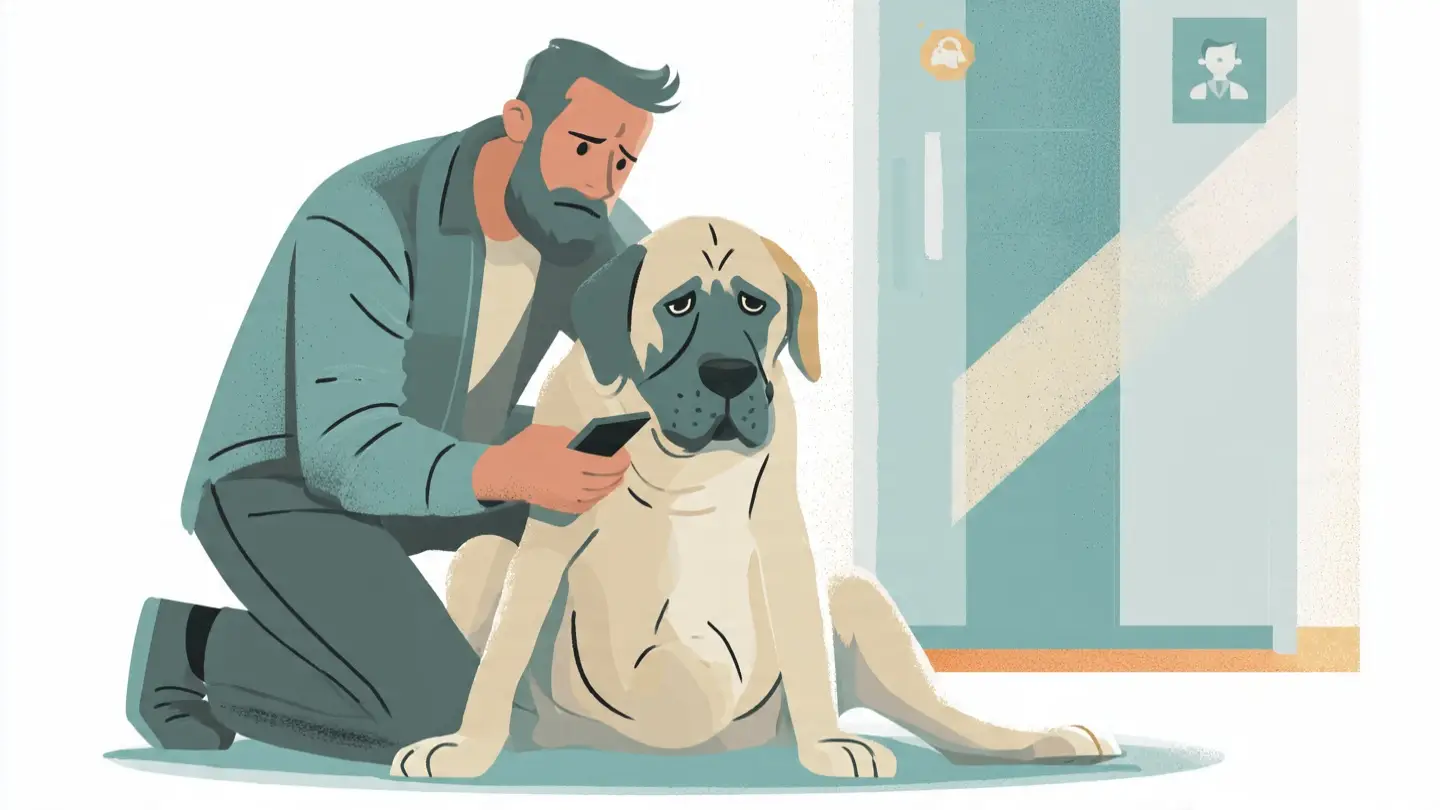

Xylitol is one of the most acutely dangerous substances a dog can ingest — and it is found in hundreds of everyday household products that most pet owners would never think to check. If your dog has eaten something containing xylitol, this is a veterinary emergency that requires immediate action.
Call Walker Lake Veterinary Centre at (587) 786-6771 right now if you believe your dog has consumed xylitol. Do not wait for symptoms to appear.
⚠️ Xylitol toxicity can cause life-threatening hypoglycaemia within 30 minutes of ingestion in some dogs. Do not wait for symptoms. Call a veterinarian immediately.
What Is Xylitol?
Xylitol is a sugar alcohol used as a sweetener in a wide range of products. It tastes similar to sugar, has fewer calories, and does not raise blood sugar levels in humans — making it popular in sugar-free and diabetic-friendly products.
In dogs, however, xylitol triggers a dramatically different biological response. It causes a rapid and severe release of insulin from the pancreas, dropping blood sugar to dangerously low levels within 30 to 60 minutes of ingestion. At higher doses, xylitol causes acute liver failure — which can be fatal even when blood sugar levels are managed.
Xylitol is safe for humans and cats. The toxic response is specific to dogs and certain other species including ferrets. The same product that is harmless to you can kill your dog.
Where Is Xylitol Found?
This is the aspect of xylitol toxicity that catches most pet owners off guard. Xylitol is not just in chewing gum — it is an ingredient in hundreds of products across multiple categories.
Food and Beverages
- Sugar-free chewing gum — the most common source of xylitol poisoning in dogs
- Sugar-free mints and hard candies
- Some peanut butters and nut butters — always check the label before giving peanut butter to your dog
- Sugar-free baked goods — cookies, cakes, muffins
- Sugar-free chocolate and confectionery
- Some protein bars and meal replacement products
- Sugar-free ice cream and frozen desserts
- Certain flavoured waters and sports drinks
- Some jams and preserves marketed as low-sugar
Dental and Personal Care Products
- Toothpaste — most human toothpaste brands contain xylitol
- Mouthwash and oral rinses
- Chewable vitamins and supplements
- Certain nasal sprays
- Some lip balms and cosmetics
Medications and Supplements
- Chewable tablets — particularly children’s medications and vitamins
- Some prescription liquid medications
- Melatonin gummies — check the label, many contain xylitol
- Some probiotic and fibre supplements
Get into the habit of checking ingredient labels on any sugar-free product in your home. Xylitol may be listed as xylitol, birch sugar, or E967. If you have a dog, consider replacing xylitol-containing products — particularly peanut butter and toothpaste — with xylitol-free alternatives.
How Much Xylitol Is Toxic to Dogs?
Xylitol toxicity is dose-dependent based on body weight. As a general guide:
- Hypoglycaemia (dangerously low blood sugar) can occur at doses as low as 0.1g of xylitol per kilogram of body weight
- Acute liver failure can occur at doses of 0.5g per kilogram of body weight or higher
To put this in context, a single piece of sugar-free gum typically contains between 0.2g and 1g of xylitol. For a 5kg dog, even one piece of gum could be enough to cause hypoglycaemia.
The concentration of xylitol varies enormously between products and even between different flavours of the same brand. This variability is exactly why the quantity your dog consumed is less important than getting them to a vet immediately.
Symptoms of Xylitol Toxicity in Dogs
Hypoglycaemia Symptoms (30–60 Minutes After Ingestion)
- Vomiting — often the first sign
- Sudden weakness or lethargy
- Loss of coordination or stumbling
- Trembling or muscle twitching
- Disorientation or glassy-eyed appearance
- Seizures
- Collapse
Liver Failure Symptoms (9–72 Hours After Ingestion)
- Vomiting and diarrhoea
- Jaundice — yellow tinge to the gums, skin, and whites of the eyes
- Black or tar-coloured stool indicating internal bleeding
- Abdominal pain and swelling
- Extreme lethargy and weakness
- Collapse
⚠️ A dog can appear to recover from the initial hypoglycaemia phase and then develop acute liver failure hours or days later. Apparently improving after the initial episode does not mean your dog is safe without veterinary assessment and monitoring.
What to Do If Your Dog Ate Xylitol
Step 1 — Identify the Product and Dose
Find the packaging of whatever your dog ate. Check the ingredient list for xylitol — it may also be listed as birch sugar or E967. Note the total quantity consumed if possible. This information helps the veterinarian calculate the approximate xylitol dose and assess the risk of liver failure versus hypoglycaemia alone.
Step 2 — Call Walker Lake Veterinary Centre Immediately
Do not wait for symptoms. By the time hypoglycaemia symptoms are visible, blood sugar may already be at a critically dangerous level. Call (587) 786-6771 and bring the product packaging with you.
Step 3 — Do Not Induce Vomiting Without Veterinary Guidance
In some cases of very recent ingestion, a veterinarian may advise inducing vomiting. However, if your dog is already showing neurological symptoms — weakness, trembling, or loss of coordination — inducing vomiting is dangerous. Always follow veterinary guidance.
Step 4 — Monitor Closely During Transport
Keep your dog calm and watch for seizures or collapse during transport to the clinic. If your dog begins seizing, keep them safe from injury and note the time.
Dog ate xylitol? This is an emergency. Call Walker Lake Veterinary Centre at (587) 786-6771 or come directly to 5109 22 Avenue SW, Southwest Edmonton. Same-day urgent appointments available.
How Is Xylitol Toxicity Treated?
Treatment depends on when the xylitol was consumed, how much was ingested, and what symptoms are present.
Induced Vomiting and Activated Charcoal
If ingestion occurred within the last one to two hours and the dog is not yet showing symptoms, a veterinarian may induce vomiting to remove xylitol from the stomach. Activated charcoal is not effective against xylitol and is generally not used.
Dextrose (Sugar) Administration
Dogs showing hypoglycaemia are given intravenous dextrose to raise blood sugar levels rapidly. Blood glucose is monitored closely and dextrose is adjusted accordingly.
Intravenous Fluids and Liver Support
IV fluid therapy supports organ function and helps maintain stable blood chemistry. Dogs at risk of liver failure receive liver-protective medications and close monitoring of liver enzyme values over 48 to 72 hours.
Hospitalisation and Monitoring
Dogs that have ingested a significant dose of xylitol typically require 24 to 72 hours of hospitalisation for blood glucose monitoring, liver enzyme tracking, and supportive care. Serial bloodwork throughout the hospitalisation period is essential to detect liver damage before clinical signs develop.
Can Dogs Recover From Xylitol Poisoning?
Dogs treated promptly — before significant liver damage has occurred — have a good prognosis. Dogs that develop acute liver failure have a more guarded prognosis and some do not survive even with aggressive treatment.
This is why the time between ingestion and treatment is the critical factor in xylitol poisoning. A dog treated within 30 minutes of consuming xylitol has a dramatically better outcome than one treated after symptoms of liver failure have appeared.
Making Your Home Safe From Xylitol
- Switch to xylitol-free toothpaste — keep all human toothpaste out of reach
- Check peanut butter and nut butter labels before buying — choose brands that do not contain xylitol
- Store all sugar-free gum, mints, and candies in closed drawers or high shelves
- Check the labels on all chewable vitamins, supplements, and medications in your home
- Be especially vigilant with handbags, backpacks, and pockets — sugar-free gum is frequently carried loose
- Educate all household members and regular visitors about xylitol and your dog
Book an Appointment at Walker Lake Veterinary Centre
Walker Lake Veterinary Centre provides urgent and emergency veterinary care for dogs and cats across Walker Lake, Summerside, Ellerslie, Heritage Valley, and Southwest Edmonton.
Call us at (587) 786-6771 or book online. We are located at 5109 22 Avenue SW, Edmonton.
Clinic hours:
- Monday, Tuesday & Thursday: 9:00 AM – 7:00 PM
- Wednesday & Friday: 9:00 AM – 6:00 PM
- Saturday: 9:00 AM – 3:00 PM
- Sunday: Closed
Frequently Asked Questions
How much xylitol is in a piece of gum?
Most sugar-free gum contains between 0.2g and 1g of xylitol per piece depending on the brand and flavour. For small dogs this can be enough to cause hypoglycaemia from a single piece. Gum with higher xylitol content — some brands contain over 1g per piece — can cause liver damage in medium-sized dogs from just a few pieces.
My dog ate sugar-free gum but seems fine — do I still need to go to the vet?
Yes. The absence of immediate symptoms does not mean your dog is safe. Hypoglycaemia can develop within 30 to 60 minutes, and liver failure can develop 9 to 72 hours after ingestion in dogs that appeared to initially recover. Veterinary assessment and blood monitoring are essential regardless of how your dog appears.
Is xylitol in all sugar-free products?
No — not all sugar-free products contain xylitol. Other sweeteners such as stevia, erythritol, aspartame, and sucralose are used in many sugar-free products and do not carry the same toxicity risk for dogs. Always check the specific ingredient list rather than assuming all sugar-free products are equally dangerous.
Can cats eat xylitol?
Current evidence suggests cats are not affected by xylitol in the same way as dogs. However, xylitol-containing products should still be kept away from cats as other ingredients in these products — such as certain artificial sweeteners and flavourings — may cause digestive upset.
Is natural xylitol from birch trees safer than synthetic xylitol?
No. The source of the xylitol — whether from birch trees or corn cobs, which are both common commercial sources — does not affect its toxicity to dogs. Xylitol is xylitol regardless of origin.