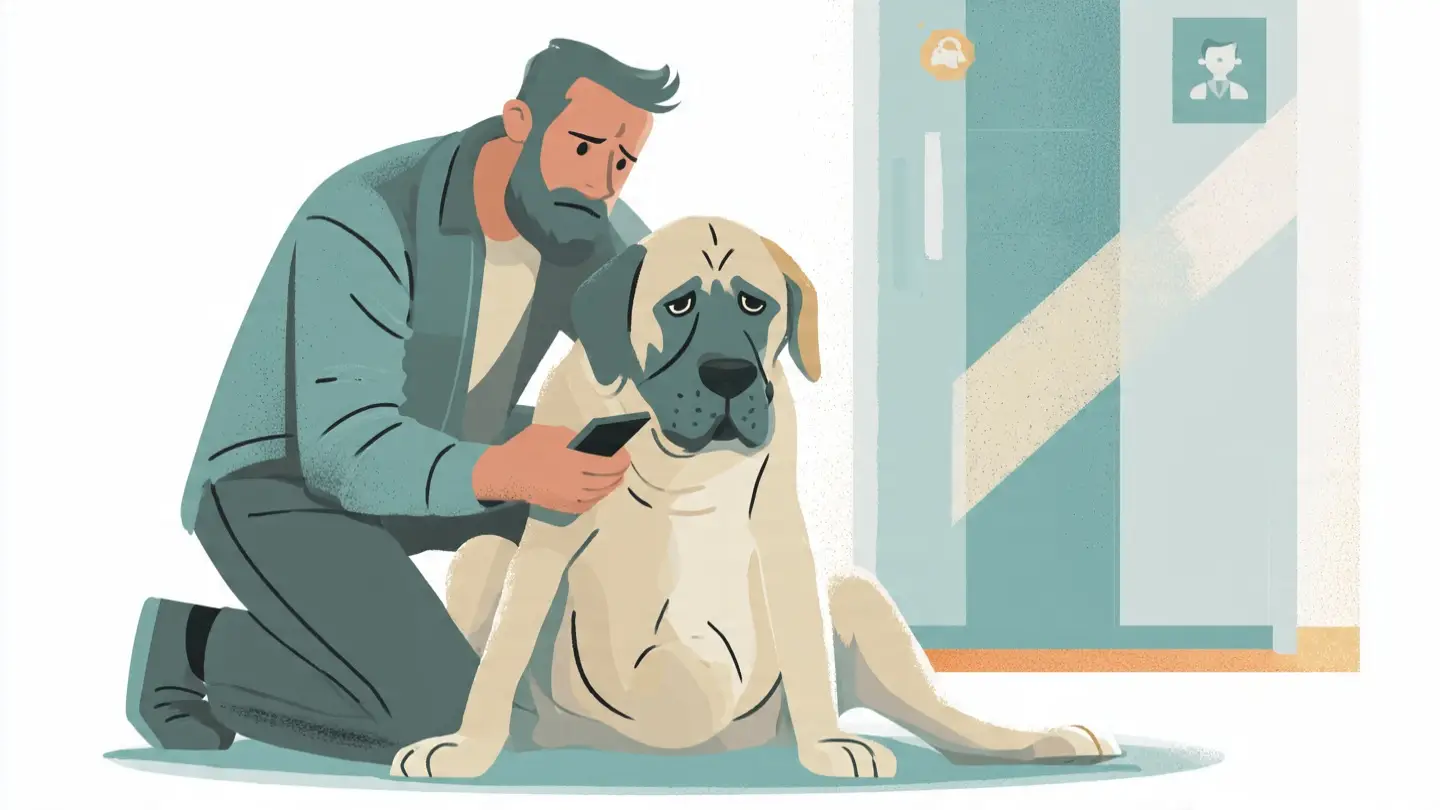

Watching your dog have a seizure is one of the most frightening experiences a pet owner can face. The convulsions, loss of consciousness, and involuntary movements can be deeply alarming — but knowing what to do in those critical moments can make a significant difference to your dog’s safety and recovery.
Call Walker Lake Veterinary Centre at (587) 786-6771 after any seizure event so our team can assess your dog and determine the appropriate next steps.
⚠️ If your dog’s seizure lasts longer than 5 minutes, or if your dog has multiple seizures within 24 hours without fully recovering between them, this is a neurological emergency. Go to a veterinary clinic immediately.
What Is a Seizure?
A seizure is a sudden, uncontrolled burst of electrical activity in the brain that temporarily disrupts normal brain function. Seizures can affect a dog’s movement, behaviour, and consciousness — ranging from brief episodes of staring or twitching to full convulsions with loss of consciousness.
Seizures themselves are a symptom, not a disease. They are caused by an underlying condition that disrupts normal brain activity — and identifying that underlying cause is an essential part of treatment.
Seizures are one of the most common neurological conditions seen in dogs. While frightening to witness, a single brief seizure in an otherwise healthy dog is not always an immediate crisis — but it always warrants veterinary evaluation.
Types of Seizures in Dogs
Understanding the type of seizure your dog is experiencing helps you describe it accurately to your veterinarian.
Generalised Seizures (Grand Mal)
The most recognisable type. The dog loses consciousness and experiences full-body convulsions — paddling legs, muscle rigidity, jaw chomping, and often loss of bladder or bowel control. These typically last 30 seconds to two minutes.
Focal Seizures
Affect only one part of the body or one side. The dog may twitch a single limb, turn their head repeatedly to one side, or blink rapidly. The dog may remain conscious. Focal seizures can progress to generalised seizures.
Absence Seizures
Brief episodes where the dog appears to stare blankly, freeze momentarily, or seem mentally absent for a few seconds. Easy to miss or mistake for distraction.
Cluster Seizures
Two or more seizures within a 24-hour period with the dog not fully recovering normal consciousness between episodes. Cluster seizures are a medical emergency.
What to Do During a Seizure
Stay Calm
Your dog cannot hear or respond to you during a generalised seizure. Staying calm allows you to focus on keeping your dog safe and timing the event accurately.
Do Not Restrain Your Dog
Never attempt to hold your dog still or restrain their movements during a seizure. You cannot stop a seizure by physical restraint and attempting to do so puts you at risk of being bitten — not because your dog is aggressive, but because they have no conscious control over their movements.
Do Not Put Anything in Your Dog’s Mouth
Dogs cannot swallow their tongue during a seizure. This is a common misconception. Putting your hand or any object near a seizing dog’s mouth risks serious injury to you.
Clear the Area
Gently move furniture, sharp objects, and stairs away from your dog if it is safe to do so. Place a soft blanket or cushion near their head to prevent injury from hitting hard surfaces.
Time the Seizure
Note when the seizure started. This information is critical for your veterinarian. A seizure that appears to last forever often lasts less than two minutes — but if it genuinely extends past five minutes, leave for the vet immediately.
Dim Lights and Reduce Noise
Bright lights and loud sounds can extend or worsen a seizure in some dogs. Turn off the television, dim overhead lighting, and keep the environment as calm as possible.
Record the Seizure if Safe to Do So
A short video on your phone is enormously helpful for your veterinarian. It allows them to classify the seizure type and severity without relying solely on your description of a highly stressful event.
What Happens After a Seizure — The Post-Ictal Phase
After a seizure ends, most dogs enter a recovery phase called the post-ictal period. This can last anywhere from a few minutes to several hours and is often as distressing to witness as the seizure itself.
During the post-ictal phase your dog may:
- Appear confused, disoriented, or unaware of their surroundings
- Pace restlessly or walk in circles
- Be temporarily blind
- Seem unusually hungry or thirsty
- Be unusually clingy or conversely want to hide
- Show extreme fatigue and sleep heavily
Post-ictal behaviour is normal and does not mean your dog is still seizing or that something additional has gone wrong. Keep your dog in a quiet, safe space and stay nearby. Do not offer food or water until they are fully alert and coordinated.
When Is a Seizure a Veterinary Emergency?
Not every seizure requires an emergency trip to the clinic — but some absolutely do. Go immediately if:
- The seizure lasts longer than 5 minutes (status epilepticus)
- Your dog has two or more seizures within 24 hours (cluster seizures)
- Your dog does not regain normal consciousness within 30 minutes of the seizure ending
- Your dog is injured during the seizure
- This is your dog’s first ever seizure
- Your dog is a puppy or a senior dog
- You suspect poisoning may have triggered the seizure
- The dog’s temperature appears elevated — excessive panting, hot to the touch
When to See a Vet After a Seizure
Even if the seizure was brief and your dog has recovered normally, any first-time seizure or unexplained seizure warrants a veterinary appointment within 24 hours. Your veterinarian will want to:
- Perform a full physical and neurological examination
- Run bloodwork to check organ function, blood sugar, and electrolytes
- Discuss the dog’s full history and any potential triggers
- Consider further diagnostics such as an MRI or spinal fluid analysis if warranted
- Discuss whether anti-epileptic medication is appropriate
After any seizure, book an appointment at Walker Lake Veterinary Centre so we can assess your dog and identify the underlying cause. Call (587) 786-6771 or book online. Located at 5109 22 Avenue SW, Southwest Edmonton.
Common Causes of Seizures in Dogs
Idiopathic Epilepsy
The most common cause of recurrent seizures in dogs — particularly in young to middle-aged dogs between one and five years old. Idiopathic epilepsy has no identifiable structural cause and is believed to have a genetic component. Certain breeds are predisposed, including Border Collies, Labrador Retrievers, German Shepherds, Golden Retrievers, and Beagles.
Structural Brain Disease
Brain tumours, inflammatory brain disease, and head injuries can all cause seizures by physically disrupting normal brain tissue. These causes are more common in older dogs and in dogs with a sudden onset of seizures later in life.
Metabolic Causes
Abnormal blood sugar levels (hypoglycaemia or hyperglycaemia), liver disease, kidney disease, and electrolyte imbalances can all trigger seizures by disrupting the chemical environment that the brain depends on to function normally.
Toxin Ingestion
Many toxins cause seizures in dogs — including xylitol, certain mushrooms, strychnine, metaldehyde (slug pellets), permethrin, and some recreational drugs. If you suspect your dog was exposed to any toxic substance before a seizure, mention this immediately to your veterinarian as it significantly changes the treatment approach.
Infectious Disease
Distemper, neosporosis, and other infectious agents can affect the central nervous system and cause seizures. Vaccination plays an important role in preventing some of these conditions.
Living With a Dog With Epilepsy
If your dog is diagnosed with epilepsy, management focuses on reducing the frequency and severity of seizures while maintaining quality of life.
Anti-Epileptic Medications
Phenobarbitone and potassium bromide are the most commonly used anti-epileptic drugs in dogs. Both require regular blood monitoring to ensure therapeutic levels and check for side effects. Newer medications including levetiracetam are increasingly used, particularly for dogs that do not respond adequately to first-line treatment.
Seizure Diary
Keeping a log of every seizure — date, time, duration, type, and anything notable beforehand — helps your veterinarian adjust medication doses and identify patterns or triggers.
Trigger Management
Some epileptic dogs have identifiable triggers — certain foods, fatigue, stress, or environmental factors. Identifying and minimising these can help reduce seizure frequency.
Regular Veterinary Monitoring
Dogs on anti-epileptic medication require regular blood tests to monitor drug levels and organ health. Consistent veterinary follow-up is essential for long-term management.
Book an Appointment at Walker Lake Veterinary Centre
Walker Lake Veterinary Centre provides neurological assessment, diagnostic workup, and ongoing management for dogs experiencing seizures across Walker Lake, Summerside, Ellerslie, Heritage Valley, and Southwest Edmonton.
Call us at (587) 786-6771 or book online. We are located at 5109 22 Avenue SW, Edmonton.
Clinic hours:
- Monday, Tuesday & Thursday: 9:00 AM – 7:00 PM
- Wednesday & Friday: 9:00 AM – 6:00 PM
- Saturday: 9:00 AM – 3:00 PM
- Sunday: Closed
Frequently Asked Questions
Can dogs die from seizures?
A single brief seizure is rarely fatal. However, prolonged seizures (status epilepticus) that last more than 30 minutes can cause permanent brain damage and can be life-threatening. Cluster seizures also carry serious risks if not treated promptly. This is why seizures lasting more than 5 minutes require immediate emergency veterinary care.
Should I take my dog to the vet after every seizure?
Yes, following any first seizure. For dogs with a known seizure disorder, your veterinarian will advise on which events require an emergency visit versus a scheduled follow-up. As a general rule — a seizure lasting more than 5 minutes, multiple seizures within 24 hours, or any seizure in a dog not previously diagnosed with epilepsy always warrants immediate veterinary attention.
What triggers seizures in dogs?
Common triggers include stress, fatigue, excitement, changes in routine, certain foods, and in some dogs specific environmental factors. Not all dogs with epilepsy have identifiable triggers. Keeping a seizure diary helps identify patterns over time.
Can a dog have a seizure in their sleep?
Yes. Sleep seizures — also called nocturnal seizures — do occur in dogs. A seizing dog will appear stiff, paddle their legs, vocalise, or lose bladder control, and will not be easily roused. This distinguishes a sleep seizure from normal dreaming, where the dog can typically be woken easily.
Is epilepsy in dogs hereditary?
Idiopathic epilepsy has a known genetic component in many breeds. If your dog has been diagnosed with idiopathic epilepsy, discuss with your veterinarian whether breeding is appropriate.